With more than 10‑year industry experience, Shandong Headpowder delivers full‑service pneumatic‑conveying systems and blowers, undertaking nationwide turn‑key powder‑handling projects.
Thermoplastic polyurethane (TPU) is a versatile polymer widely used in various industries due to its excellent mechanical properties, flexibility, and resistance to abrasion and chemicals. When it comes to handling and transporting TPU materials, especially in bulk quantities, efficient and reliable conveying systems are crucial. Pneumatic conveying technology has emerged as a preferred solution for TPU transport, offering advantages such as low maintenance, minimal product contamination, and the ability to handle fine powders and granules. This article explores the application and optimization of pneumatic conveying systems specifically designed for thermoplastic polyurethane, highlighting the expertise of Shandong HeadPowder Engineering Co., Ltd. (headpowder) in providing tailored solutions for TPU material handling.
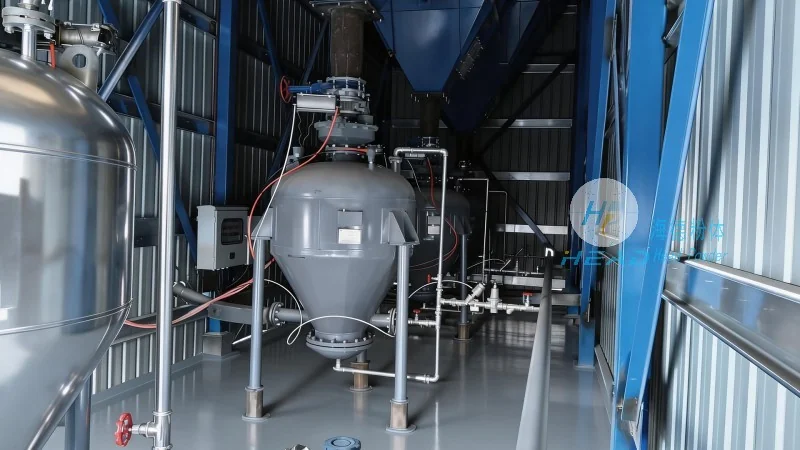
Transporting thermoplastic polyurethane presents unique challenges compared to other bulk materials. TPU powders and granules often have specific flow characteristics, such as cohesive behavior and varying particle sizes, which can affect the efficiency of traditional conveying methods like screw conveyors or belt conveyors. Additionally, TPU is sensitive to moisture and temperature changes, requiring a conveying system that maintains product integrity and prevents degradation. Pneumatic conveying addresses these challenges by using air to transport materials, reducing the risk of product contamination and ensuring consistent flow rates. However, the design of an effective TPU conveying system requires careful consideration of factors like material properties, air velocity, and system configuration.
Shandong HeadPowder Engineering Co., Ltd. specializes in designing and manufacturing pneumatic conveying systems tailored to the specific needs of thermoplastic polyurethane. A typical TPU pneumatic conveying system includes several key components: a material hopper for storage, a feeder to control the flow rate, a conveying line (either positive or negative pressure), and a receiver for the discharged material. The design of each component is critical to the overall system performance. For example, the material hopper must be designed to prevent material bridging and ensure consistent feeding, while the feeder (such as a rotary valve or screw feeder) must be capable of handling the cohesive nature of TPU without causing blockages. The conveying line is typically made of stainless steel or other corrosion-resistant materials to prevent contamination and ensure durability. The receiver is equipped with a dust collection system to capture any airborne particles and maintain a clean environment.
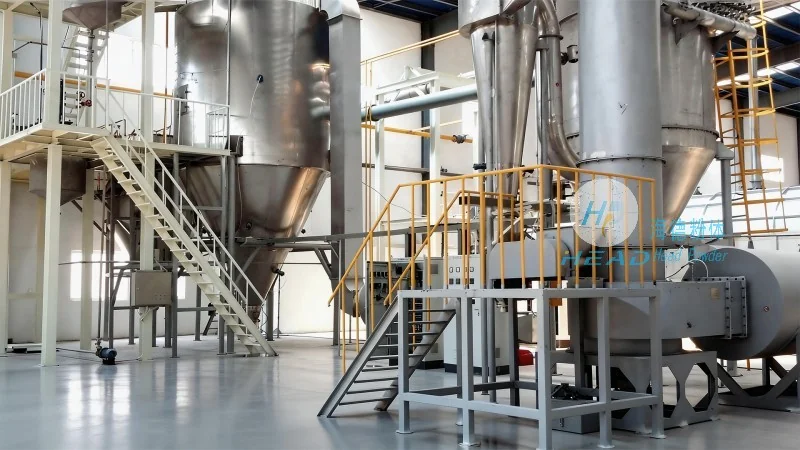
Optimizing a pneumatic conveying system for thermoplastic polyurethane involves several key factors. Air velocity is a critical parameter that affects the conveying capacity and energy consumption. Higher air velocities can increase the conveying rate but also increase energy costs and wear on system components. Conversely, lower air velocities may result in lower capacity or even system blockages. Shandong HeadPowder Engineering Co., Ltd. employs advanced computational fluid dynamics (CFD) and material testing to determine the optimal air velocity for a given TPU material, ensuring efficient transport while minimizing energy use. Another important factor is the system configuration, such as the use of horizontal or vertical conveying lines, and the number of bends or elbows in the line. The company's engineers consider the material's flow properties and the desired conveying distance to design a system that maximizes efficiency and minimizes pressure losses. Additionally, the use of pulse-jet or rotary airlock valves can help maintain consistent flow and prevent material buildup in the conveying line.
Implementing a pneumatic conveying system for thermoplastic polyurethane offers numerous benefits for industrial applications. First, it reduces labor costs by automating the material handling process, eliminating the need for manual loading and unloading. Second, it improves product quality by minimizing exposure to moisture, dust, and contaminants, which can affect the final properties of TPU products. Third, it enhances safety by eliminating the need for workers to handle bulk materials directly, reducing the risk of accidents and exposure to hazardous materials. Fourth, it increases production efficiency by providing a continuous and reliable flow of materials, allowing for smoother production processes. Shandong HeadPowder Engineering Co., Ltd. has successfully implemented TPU pneumatic conveying systems for various clients, including manufacturers of TPU-based products such as seals, gaskets, and coatings. The company's customized solutions have helped these clients achieve significant improvements in productivity, product quality, and operational efficiency.
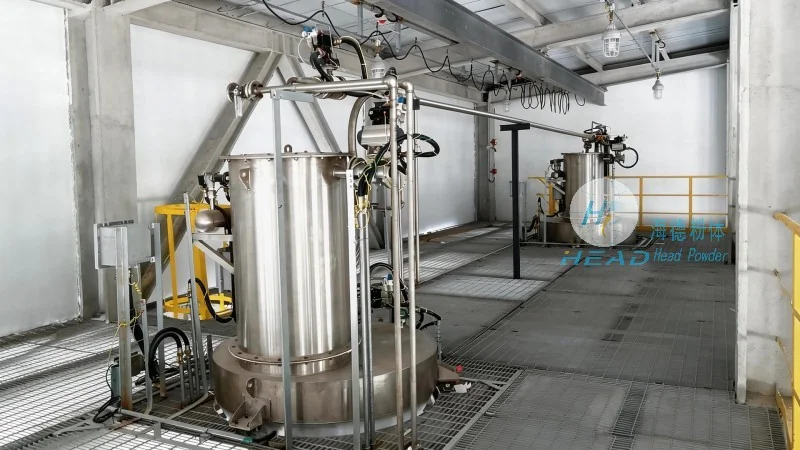
One of the clients of Shandong HeadPowder Engineering Co., Ltd. is a leading manufacturer of TPU sealing products. The company required a reliable conveying system to transport fine TPU powders from storage silos to the production line. The existing system was inefficient, with frequent blockages and high maintenance costs. Shandong HeadPowder Engineering Co., Ltd. conducted a thorough analysis of the material properties and the client's production requirements. The company designed a positive pressure pneumatic conveying system with a stainless steel conveying line and a rotary airlock valve. The system was optimized for the TPU powder's flow characteristics, with an air velocity of 20 m/s, which provided a conveying rate of 5 tons per hour. The system has been in operation for over two years, with minimal maintenance and no blockages. The client reported a 30% increase in production efficiency and a reduction in labor costs by 20%. This case study demonstrates the effectiveness of pneumatic conveying technology in improving TPU material handling and overall production performance.
Pneumatic conveying technology continues to be a vital solution for the efficient and reliable transport of thermoplastic polyurethane. Shandong HeadPowder Engineering Co., Ltd. remains at the forefront of TPU conveying system design, leveraging advanced engineering and material testing to provide customized solutions that meet the evolving needs of the industry. As TPU applications expand in various sectors, including automotive, medical, and consumer goods, the demand for efficient TPU handling systems will continue to grow. The company's commitment to innovation and customer satisfaction ensures that it will remain a key player in the development of next-generation TPU conveying technologies. For businesses looking to optimize their TPU material handling processes, Shandong HeadPowder Engineering Co., Ltd. offers comprehensive solutions that enhance productivity, product quality, and operational efficiency.

 Shandong Headpowder Engineering Co., Ltd.
 156-6277-7102(Manager Zhang)
  0531-83386006
  Zhangqiu District, Jinan City, Shandong Province, China
telephone
WeChatconsult
top