With more than 10‑year industry experience, Shandong Headpowder delivers full‑service pneumatic‑conveying systems and blowers, undertaking nationwide turn‑key powder‑handling projects.
HeadPowder, a leading manufacturer based in Shandong, China, specializes in the design and production of pneumatic conveying systems tailored for handling fertilizer granular materials. This article provides a detailed overview of the operation process and working principle of such a system, highlighting the key components, operational steps, and the technical aspects that ensure efficient and reliable material transport.
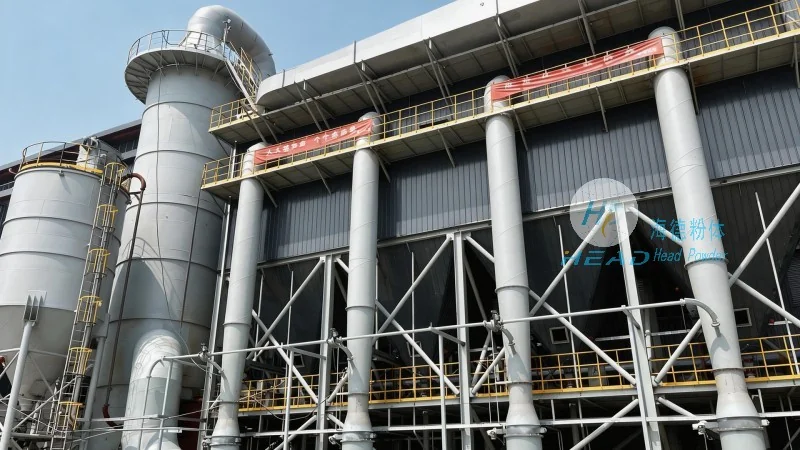
The pneumatic conveying line for fertilizer granular materials typically consists of several critical components that work in concert to achieve seamless material transfer. These components include the hopper or storage silo, a feeder (often a rotary valve or screw feeder), the conveying pipeline, a fan or blower unit, and a receiver or discharge hopper. Each component plays a vital role in the overall system performance.
The hopper or storage silo is responsible for storing the fertilizer granules, ensuring a consistent supply of material to the feeder. The feeder, usually a rotary valve or a screw feeder, regulates the flow of granular material into the conveying pipeline. This controlled feeding is crucial to maintain a steady flow rate and prevent blockages or overloading of the system. The conveying pipeline, made from materials resistant to corrosion and abrasion (such as stainless steel or special plastic), transports the material under pressure. The fan or blower unit generates the necessary airflow to move the granules through the pipeline, and the receiver or discharge hopper collects the material at the destination point.
The working principle of the pneumatic conveying line for fertilizer granular materials is based on the use of air as the conveying medium. The system operates by creating a pressure differential between the inlet and outlet of the pipeline. The fan or blower draws air from the receiver and pushes it into the conveying pipeline, while the feeder introduces the fertilizer granules into the pipeline at the same time. As the air flows through the pipeline, it entrains the granules, forming a mixture of air and material particles. This mixture is then transported to the receiver, where the air is separated from the granules, and the material is collected.
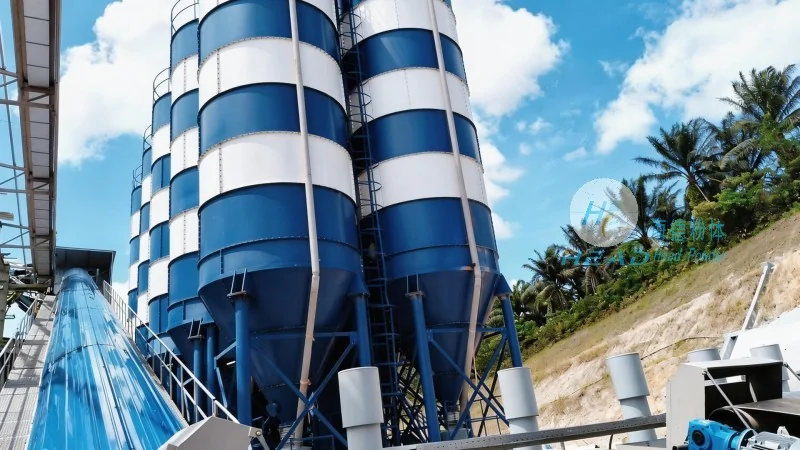
There are two main types of pneumatic conveying systems used for fertilizer granular materials: dilute-phase and dense-phase. Dilute-phase systems operate at higher air velocities, typically 20-30 m/s, and are suitable for short to medium distances. The material is carried as individual particles suspended in the air stream. Dense-phase systems, on the other hand, operate at lower air velocities (5-15 m/s) and higher material concentrations, making them ideal for longer distances and more viscous materials. In dense-phase systems, the material is conveyed in a slurry-like state, reducing the risk of blockages and improving system efficiency.
The operation process of the pneumatic conveying line for fertilizer granular materials involves several sequential steps to ensure smooth and continuous material transport. The process begins with the loading of the fertilizer granules into the hopper or storage silo. The feeder then starts to regulate the flow of material into the conveying pipeline, controlled by the system's control panel. The fan or blower unit activates, generating the required airflow to move the material through the pipeline. As the material is conveyed, the receiver at the destination point collects the granules, and the air is discharged back into the system or to the atmosphere, depending on the design.
During operation, the system's control panel monitors key parameters such as air pressure, flow rate, and material level. If any parameter deviates from the set points, the system automatically adjusts to maintain optimal performance. For example, if the material flow rate decreases, the feeder may increase its speed to compensate, ensuring a consistent supply to the pipeline. Similarly, if the air pressure drops, the fan may increase its speed to maintain the required airflow. This closed-loop control system ensures that the pneumatic conveying line operates efficiently and reliably, minimizing downtime and maximizing productivity.
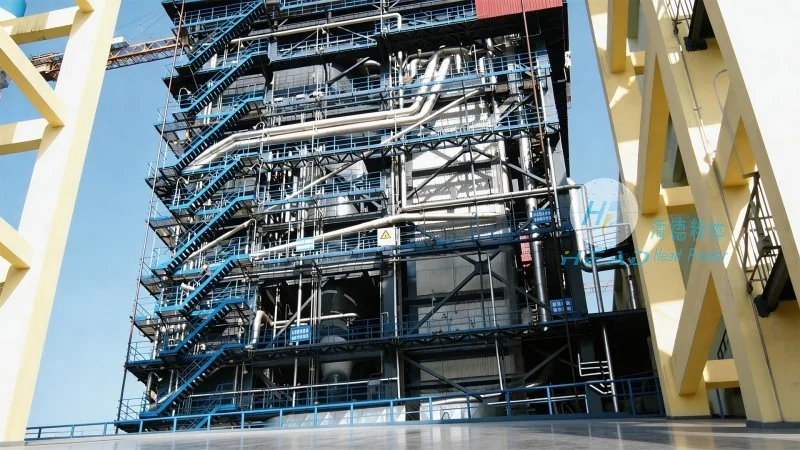
Implementing a pneumatic conveying line for fertilizer granular materials offers several advantages over traditional methods like belt conveyors or bucket elevators. One of the primary benefits is the ability to transport materials in a closed system, which reduces dust emissions and improves environmental safety. This is particularly important for fertilizer granules, which can be dusty and pose health risks if not handled properly. The closed system also prevents contamination from external sources, ensuring the quality of the fertilizer remains intact.
Another advantage is the flexibility of the system. Pneumatic conveying lines can be easily reconfigured or expanded to accommodate changes in production capacity or material types. The modular design allows for the addition of new components, such as extra pipelines or feeders, without disrupting the entire system. This adaptability makes the system suitable for various applications, from small-scale fertilizer plants to large industrial facilities.
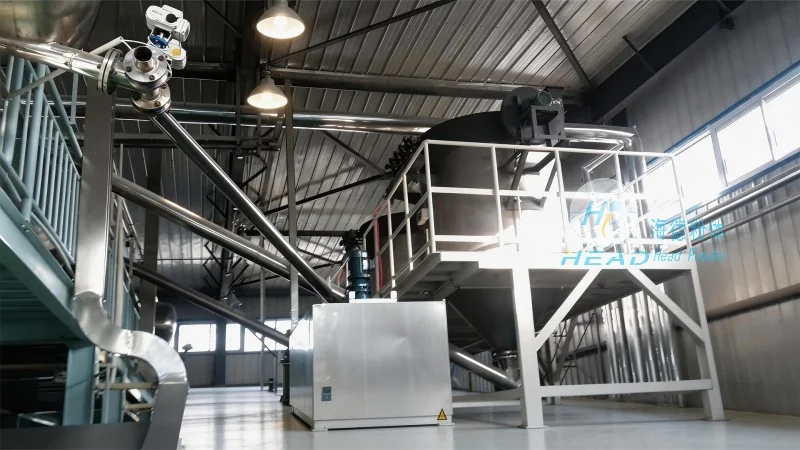
Efficiency is another key advantage. Pneumatic conveying systems can transport materials over long distances with minimal energy consumption compared to other methods. The use of air as the conveying medium reduces the need for mechanical components like rollers or chains, which can wear out over time and require frequent maintenance. Additionally, the system can handle a wide range of material sizes and shapes, including irregularly shaped granules, without causing blockages or damage to the equipment.
To ensure the long-term performance and reliability of the pneumatic conveying line for fertilizer granular materials, regular maintenance is essential. The maintenance schedule should include routine checks of the fan or blower unit, ensuring it operates at optimal efficiency and does not develop excessive wear. The conveying pipeline should be inspected for any signs of corrosion or abrasion, which can reduce its lifespan and affect material transport. The feeder and hopper should be cleaned regularly to prevent material buildup, which can lead to blockages or uneven flow.
Troubleshooting is also an important aspect of maintaining the system. Common issues include air leaks, which can reduce the system's efficiency and cause material loss, or blockages in the pipeline, which can halt the entire operation. When air leaks are detected, the system should be inspected for loose connections or damaged seals, and repaired promptly. Blockages can be caused by material buildup or foreign objects in the pipeline, and can be resolved by cleaning the pipeline or adjusting the feeder speed. Regular maintenance and prompt troubleshooting help to minimize downtime and keep the system running smoothly.

 Shandong Headpowder Engineering Co., Ltd.
 156-6277-7102(Manager Zhang)
  0531-83386006
  Zhangqiu District, Jinan City, Shandong Province, China
telephone
WeChatconsult
top