

Operation Process and Working Principle of Dry Cobblestone Material Pneumatic Conveying Line
For industries dealing with dry cobblestone materials, efficient material handling is crucial for maintaining operational efficiency and productivity. The dry cobblestone material pneumatic conveying line, as offered by Shandong HeadPowder Engineering Co., Ltd., provides a reliable solution for transporting these materials over long distances with minimal maintenance and operational costs. This system is designed to handle various sizes and shapes of dry cobblestones, ensuring consistent performance in diverse industrial applications.
Key Components of the Pneumatic Conveying Line
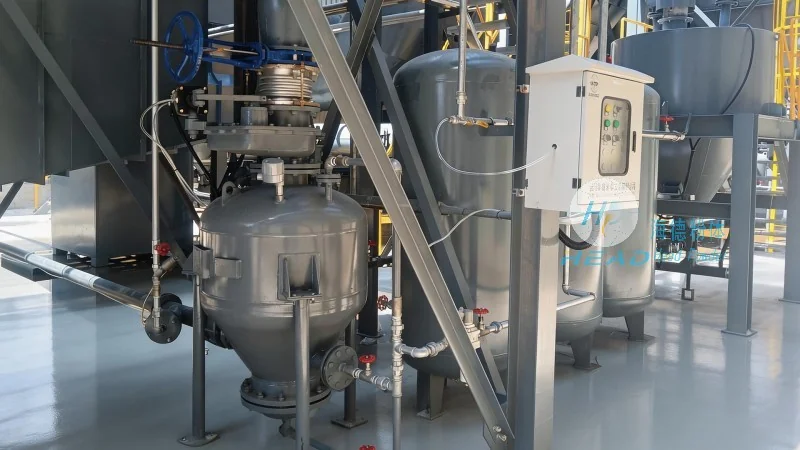
The pneumatic conveying line for dry cobblestones consists of several key components that work in tandem to ensure smooth material transport. These include the material hopper, which stores and feeds the dry cobblestones into the system; the air compressor, which generates the necessary air pressure to move the material; the conveying pipeline, which transports the material from the hopper to the discharge point; and the control system, which regulates the flow of material and air. Each component is engineered to withstand the abrasive nature of dry cobblestones, ensuring long-term durability and reliability.
Operation Process of the Pneumatic Conveying Line
The operation of the dry cobblestone material pneumatic conveying line begins with the loading of dry cobblestones into the material hopper. The hopper is equipped with a feeding mechanism that gradually releases the material into the conveying pipeline. Simultaneously, the air compressor starts, generating high-pressure air that is introduced into the pipeline. The air flow creates a vacuum or pressure differential that propels the dry cobblestones through the pipeline. As the material travels, it is mixed with the air, forming a dense flow that moves efficiently to the discharge point. The control system monitors the flow rate and pressure, adjusting the air supply as needed to maintain optimal conveying conditions. The material is then discharged at the receiving end, where it is collected and prepared for further processing or storage.
Working Principle of the Pneumatic Conveying System
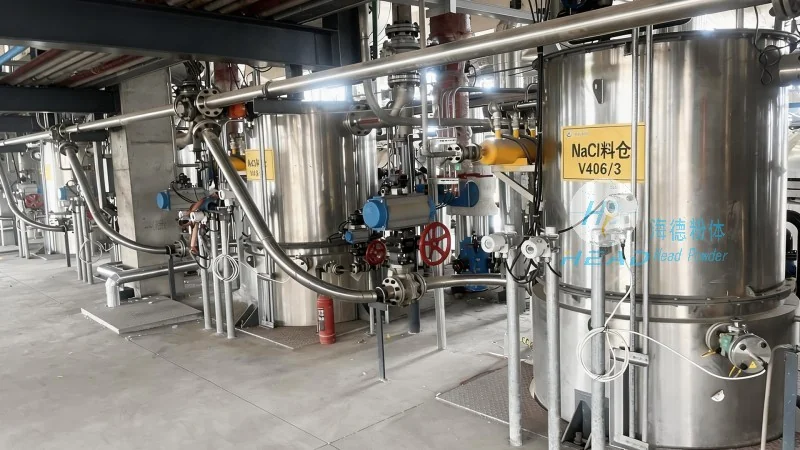
The working principle of the dry cobblestone material pneumatic conveying line is based on the principles of fluid dynamics and air pressure. The system utilizes compressed air to create a flow that carries the dry cobblestones through the pipeline. There are two main types of pneumatic conveying systems: pressure and vacuum. The pressure system uses high-pressure air to push the material forward, while the vacuum system uses a low-pressure environment to pull the material. For dry cobblestones, a pressure system is often preferred due to its ability to handle larger particles and longer conveying distances. The air flow is carefully controlled to ensure that the material is transported without excessive wear on the pipeline or components. The system also incorporates features such as air filtration and moisture control to maintain the quality of the dry cobblestones during transport.
Advantages of Using a Dry Cobblestone Material Pneumatic Conveying Line
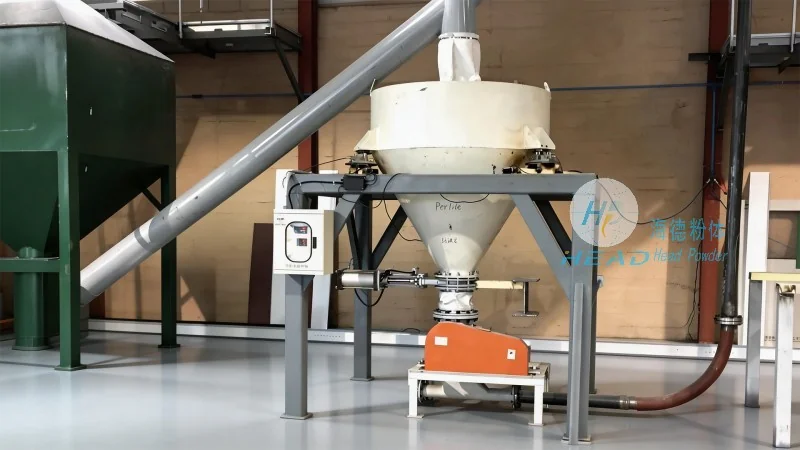
Implementing a pneumatic conveying line for dry cobblestones offers several advantages over traditional material handling methods. Firstly, it eliminates the need for mechanical components such as belts or buckets, reducing the risk of mechanical failure and maintenance costs. Secondly, the system is highly efficient in terms of energy consumption, as it uses compressed air to transport the material rather than mechanical power. Thirdly, the conveying line can handle materials over long distances with minimal loss, ensuring that the quality of the dry cobblestones is maintained throughout the process. Additionally, the system is flexible and can be easily integrated into existing industrial processes, allowing for seamless material flow and increased productivity.
Customization and Application Flexibility
Shandong HeadPowder Engineering Co., Ltd. offers customized solutions for dry cobblestone material pneumatic conveying lines, tailored to the specific needs of each client. The company’s engineers work closely with clients to understand their operational requirements and design a system that meets their exact specifications. The conveying lines can be configured to handle different sizes and types of dry cobblestones, as well as varying conveying distances and flow rates. This flexibility ensures that the system is optimized for the client’s unique application, maximizing efficiency and minimizing costs. The company also provides after-sales support and maintenance services to ensure that the system operates at peak performance throughout its lifespan.