With more than 10‑year industry experience, Shandong Headpowder delivers full‑service pneumatic‑conveying systems and blowers, undertaking nationwide turn‑key powder‑handling projects.
Desulfurization gypsum, a byproduct of flue gas desulfurization in thermal power plants and other industrial facilities, is a valuable material that requires efficient and reliable handling. The pneumatic conveying system is a key technology for transporting this material, offering advantages such as low energy consumption, minimal dust generation, and the ability to handle large volumes over long distances. This article provides a comprehensive overview of the desulfurization gypsum pneumatic conveying system, detailing its components, working principles, and practical applications.
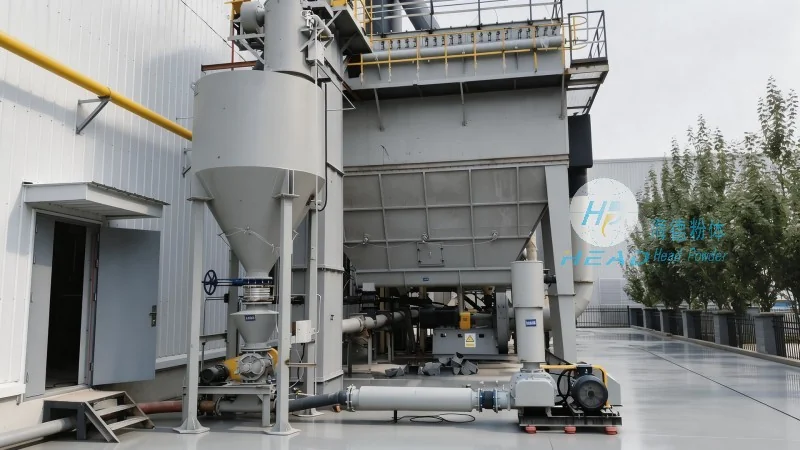
Desulfurization gypsum, also known as FGD gypsum, is a fine powder produced during the process of removing sulfur dioxide from flue gases. It is composed mainly of calcium sulfate dihydrate (CaSO₄·2H₂O) and is often used as a raw material in the production of gypsum board, cement, and other building materials. Due to its fine particle size and hygroscopic nature, traditional conveying methods like belt conveyors or bucket elevators may lead to high dust emissions and operational inefficiencies. Pneumatic conveying systems address these challenges by using air to transport the material in a closed or semi-closed system, ensuring environmental compliance and operational safety.
The desulfurization gypsum pneumatic conveying system consists of several critical components that work in tandem to ensure efficient material transport. These components include the material feed hopper, air supply system (blowers or compressors), conveying lines (flexible or rigid), control valves, and dust collection equipment. The material feed hopper is designed to store and feed the gypsum powder into the system at a controlled rate, preventing blockages and ensuring consistent flow. The air supply system provides the necessary pressure and volume of air to move the material through the conveying lines. Conveying lines can be either flexible (e.g., hose or tube) or rigid (e.g., metal pipes), with flexible lines offering greater flexibility for layout adjustments and rigid lines providing higher pressure resistance and durability. Control valves are used to regulate the air flow and material discharge, allowing for precise control over the conveying process. Finally, dust collection equipment, such as cyclones or bag filters, is essential to capture any fine particles that may escape during the conveying process, ensuring compliance with environmental regulations and maintaining a clean working environment.
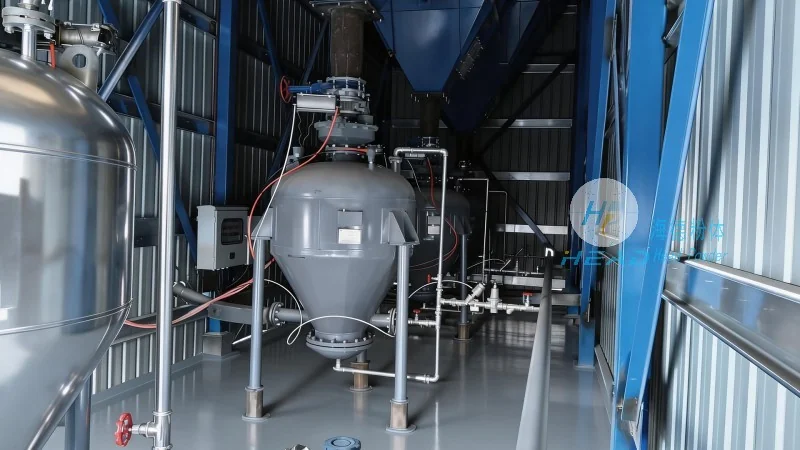
The pneumatic conveying system operates on the principle of transporting solid particles suspended in a moving air stream. In the case of desulfurization gypsum, the material is fed into the conveying line from the hopper, where it is mixed with the air supplied by the blower. The air flow creates a drag force on the gypsum particles, lifting them and carrying them through the conveying line to the discharge point. The system can operate in either positive pressure (pressure conveying) or negative pressure (vacuum conveying) modes. Positive pressure systems use higher air pressure to push the material through the line, suitable for long-distance or high-resistance conveying. Negative pressure systems use a vacuum to draw the material into the line, ideal for short-distance or low-resistance applications. The choice of system type depends on factors such as the distance to be covered, the material characteristics, and the required flow rate.
Implementing a pneumatic conveying system for desulfurization gypsum offers numerous advantages over traditional conveying methods. First, it significantly reduces dust emissions, as the material is contained within the conveying lines and captured by dust collection equipment. This not only improves air quality but also minimizes the risk of respiratory issues for workers and reduces the need for extensive cleaning. Second, the system is highly efficient in terms of energy consumption, as it uses less power compared to mechanical conveyors for the same material volume. Third, it can handle large volumes of material over long distances without the need for multiple transfer points, reducing operational costs and downtime. Fourth, the system is flexible and can be easily integrated with existing industrial processes, allowing for seamless material transfer from the desulfurization unit to storage or processing facilities. Finally, the system is low maintenance, with fewer moving parts compared to mechanical conveyors, resulting in lower repair and replacement costs over its lifespan.
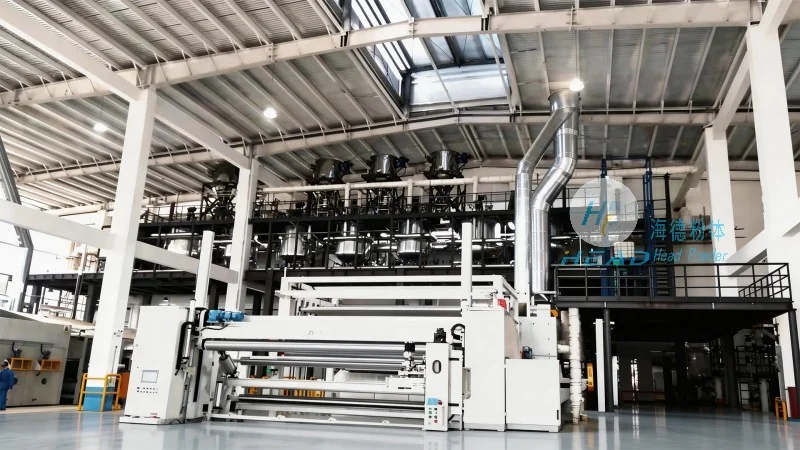
The desulfurization gypsum pneumatic conveying system is widely used in various industrial applications, particularly in power plants and cement factories. For example, in a thermal power plant, the system can transport desulfurization gypsum from the FGD unit to a storage silo or directly to a gypsum board production line. In a cement plant, the system can feed the gypsum into the cement clinker grinding process, improving the quality and consistency of the final product. A case study from a large power plant in Shandong, China, demonstrated the effectiveness of the system in reducing dust emissions by 90% and increasing material handling efficiency by 20% compared to traditional methods. Another case study from a cement manufacturer showed that the system reduced energy consumption by 15% and lowered maintenance costs by 25% over a two-year period. These examples highlight the practical benefits and cost savings associated with implementing a pneumatic conveying system for desulfurization gypsum.
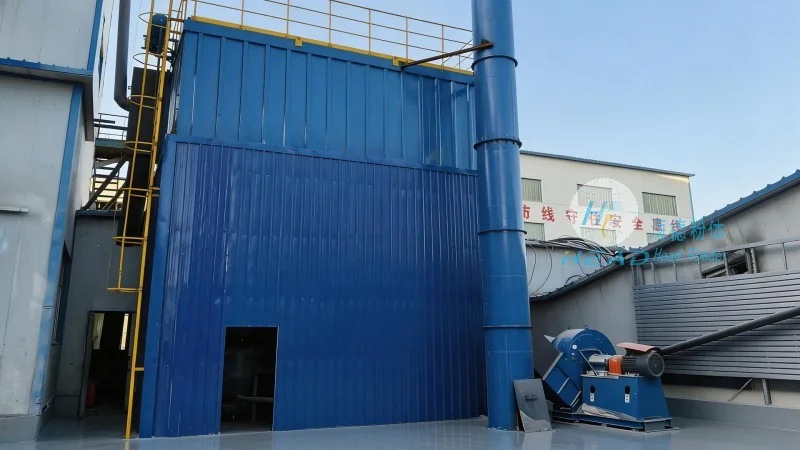
Proper installation and regular maintenance are crucial for the optimal performance and longevity of the desulfurization gypsum pneumatic conveying system. During installation, it is important to ensure that all components are properly aligned and connected to prevent air leaks or material blockages. The conveying lines should be checked for any kinks or bends that could impede the flow of material or air. The air supply system should be sized appropriately to meet the required flow rate and pressure, taking into account the material characteristics and conveying distance. Regular maintenance includes cleaning the dust collection equipment, checking the condition of the conveying lines for wear or damage, and inspecting the control valves and feed hopper for any signs of wear or blockage. It is recommended to follow the manufacturer's guidelines for maintenance schedules and to perform routine inspections to identify and address any issues before they become major problems. By adhering to proper installation and maintenance practices, the system can operate efficiently and reliably for many years, providing consistent material handling performance.
The desulfurization gypsum pneumatic conveying system is a highly effective and efficient technology for handling desulfurization gypsum, offering numerous advantages over traditional conveying methods. By using air to transport the material, the system reduces dust emissions, improves energy efficiency, and provides flexibility in layout and operation. With proper installation and maintenance, the system can deliver consistent performance and contribute to the overall sustainability and profitability of industrial facilities. As the demand for desulfurization gypsum continues to grow, the adoption of pneumatic conveying systems will play a vital role in ensuring the efficient and environmentally responsible use of this valuable material.

 Shandong Headpowder Engineering Co., Ltd.
 156-6277-7102(Manager Zhang)
  0531-83386006
  Zhangqiu District, Jinan City, Shandong Province, China
telephone
WeChatconsult
top