With more than 10‑year industry experience, Shandong Headpowder delivers full‑service pneumatic‑conveying systems and blowers, undertaking nationwide turn‑key powder‑handling projects.
HeadPowder, a leading engineering company based in Shandong, China, specializes in the design, manufacturing, and installation of advanced pneumatic conveying systems. The magnesium silicate material pneumatic conveying line is a critical component in many industrial applications, particularly in the processing of fine powders. This system efficiently transports magnesium silicate, a widely used material in various industries such as construction, agriculture, and chemical manufacturing, from one location to another without the need for mechanical components like belts or buckets.
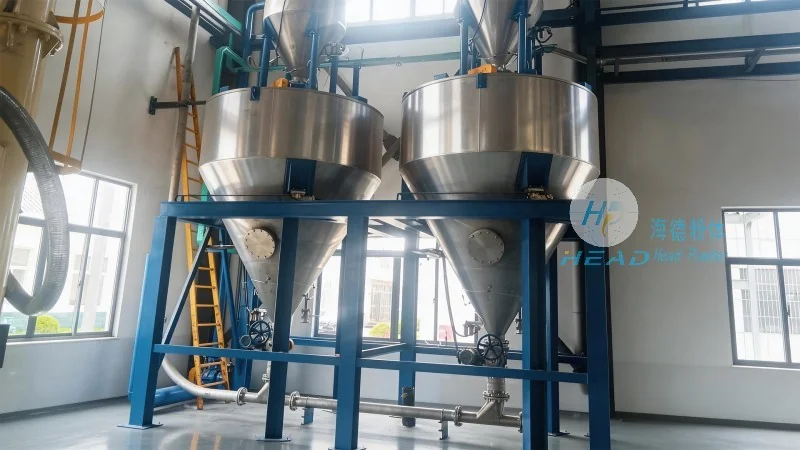
The magnesium silicate pneumatic conveying line consists of several essential components that work in tandem to ensure smooth and reliable operation. These components include the material hopper, the air compressor, the conveying pipe network, the control valve system, and the receiving hopper. The material hopper is designed to store the magnesium silicate powder, providing a consistent feed to the system. The air compressor generates the necessary pressure to move the material through the pipes. The conveying pipes are typically made of stainless steel or other corrosion-resistant materials to handle the abrasive nature of the magnesium silicate powder. The control valve system regulates the flow of air and material, ensuring optimal performance and preventing blockages. Finally, the receiving hopper collects the material at the destination point.
The operation of the magnesium silicate material pneumatic conveying line follows a systematic process. Initially, the magnesium silicate powder is fed into the material hopper from a storage silo or a processing unit. As the material accumulates in the hopper, a feeder mechanism (such as a rotary valve or a screw feeder) releases the powder into the conveying pipe. Simultaneously, the air compressor starts and generates high-pressure air, which is introduced into the conveying pipe at the inlet. The high-pressure air creates a flow that carries the magnesium silicate particles through the pipe network. The air and material mixture travels through the pipes, with the air providing the necessary force to move the particles. At the receiving end, the material is separated from the air using a cyclone separator or a filter system. The separated material is collected in the receiving hopper, while the air is either recycled back to the compressor or released to the atmosphere after being filtered.
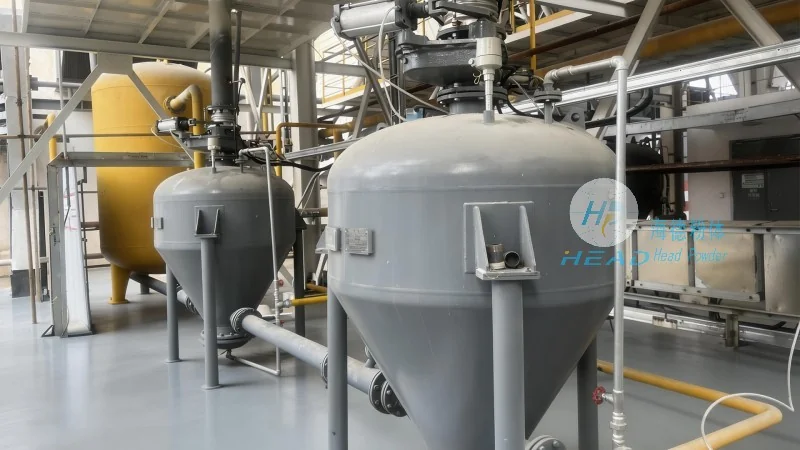
The working principle of the magnesium silicate pneumatic conveying line is based on the principle of fluidization and pneumatic transport. When the high-pressure air is introduced into the conveying pipe, it creates a low-pressure zone that draws the magnesium silicate particles into the pipe. The air flow velocity is maintained above the minimum conveying velocity, which is the speed required to keep the particles suspended and prevent them from settling. The system operates in either positive pressure or negative pressure mode, depending on the application. In positive pressure systems, the air is forced through the pipe, while in negative pressure systems, the air is drawn from the pipe. The choice of mode depends on factors such as the distance to be covered, the material properties, and the environmental considerations. The control system continuously monitors the pressure, flow rate, and material level to ensure stable operation and prevent any issues such as blockages or air leaks.
Implementing a pneumatic conveying line for magnesium silicate offers several advantages over traditional mechanical conveying methods. First, it eliminates the need for moving parts like belts or buckets, reducing maintenance costs and increasing system reliability. Second, the system is highly efficient in terms of energy consumption, as it uses compressed air to transport the material, which is more energy-efficient than mechanical systems. Third, the pneumatic conveying line can handle fine powders without causing dust or contamination, which is crucial for maintaining product quality and meeting environmental regulations. Fourth, the system is flexible and can be easily expanded or modified to accommodate changes in production requirements. Finally, the use of corrosion-resistant materials in the construction of the conveying pipes ensures long-term durability and reduces the risk of material degradation.
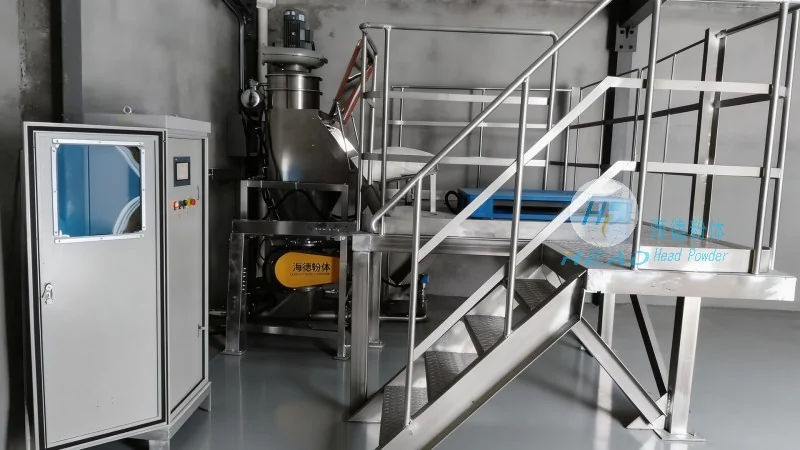
The magnesium silicate material pneumatic conveying line is widely used in various industries due to its versatility and efficiency. In the construction industry, it is used to transport magnesium silicate as a raw material for cement and concrete production. In the agricultural sector, it is employed to transport magnesium silicate as a fertilizer or soil amendment. In the chemical industry, it is used to transport magnesium silicate as a filler or a component in various chemical formulations. Additionally, the system is used in the food and pharmaceutical industries for transporting fine powders that require strict hygiene and contamination control.
To ensure the optimal performance and longevity of the magnesium silicate pneumatic conveying line, regular maintenance is essential. The maintenance schedule should include inspections of the material hopper and conveying pipes for any signs of wear or corrosion. The air compressor and control valves should be checked for proper operation and lubrication. The cyclone separator or filter system should be cleaned regularly to prevent clogging and ensure efficient material separation. Common issues that may arise in the system include blockages, air leaks, and pressure fluctuations. Blockages can be caused by the accumulation of material in the pipes or the presence of foreign objects. Air leaks can lead to reduced conveying efficiency and increased energy consumption. Pressure fluctuations may indicate issues with the air compressor or the control system. Proper troubleshooting techniques, such as checking the material feed rate, inspecting the pipe network for obstructions, and verifying the compressor settings, can help resolve these issues and maintain the system's performance.

 Shandong Headpowder Engineering Co., Ltd.
 156-6277-7102(Manager Zhang)
  0531-83386006
  Zhangqiu District, Jinan City, Shandong Province, China
telephone
WeChatconsult
top