

Operation Process and Working Principle of Dried Chili Powder Material Pneumatic Conveying Equipment
HeadPowder, a leading manufacturer based in Shandong, China, specializes in the design and production of advanced pneumatic conveying systems tailored for handling dried chili powder and similar bulk materials. This equipment is engineered to efficiently transport materials from storage silos or processing lines to packaging or processing stations, ensuring minimal product degradation and consistent flow rates.
Key Components and Their Functions
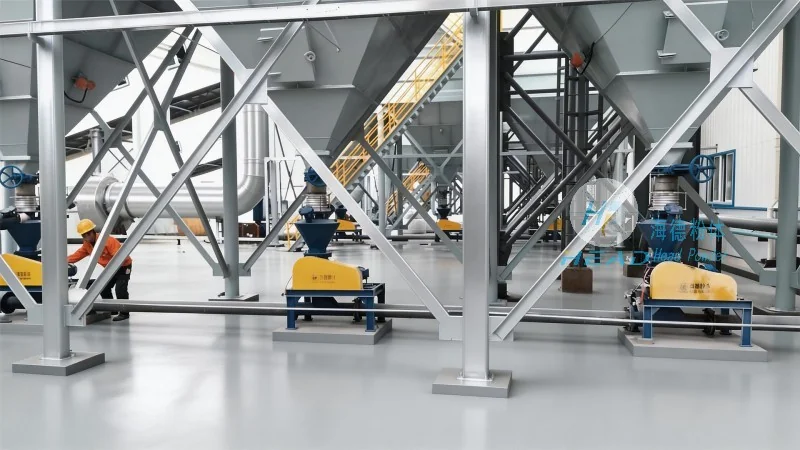
The pneumatic conveying system for dried chili powder typically consists of several core components, each playing a crucial role in the overall operation. These include the material hopper, which serves as the storage container for the dried chili powder, ensuring a steady supply of material. The hopper is equipped with a feeder, often a rotary valve or a screw feeder, that regulates the flow of material into the conveying line. The conveying line itself is made of durable materials, such as stainless steel or high-grade plastic, to prevent contamination and corrosion from the acidic or oily nature of dried chili powder. A pressure vessel or receiver is also integrated to collect the material at the discharge end, maintaining consistent pressure and preventing backflow. Additionally, a filter system is essential to capture any fine particles or dust, ensuring clean air discharge and compliance with environmental regulations.
Working Principle of the Pneumatic Conveying Process
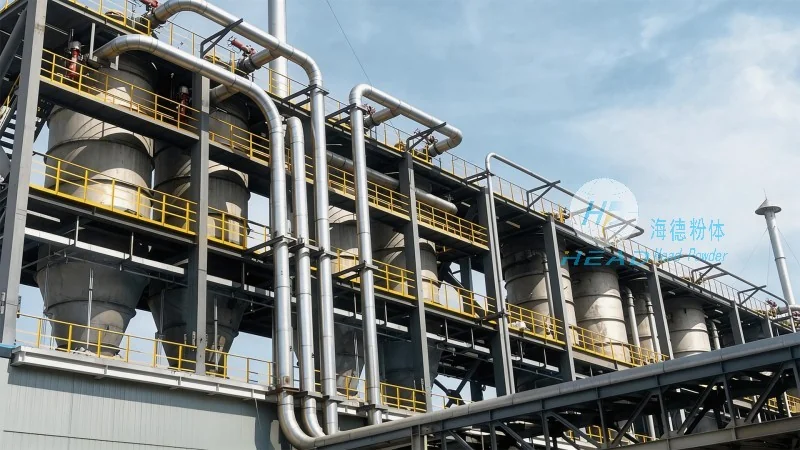
The operation of the dried chili powder pneumatic conveying equipment relies on the principle of air flow to transport the material. The process begins with the material being fed from the hopper into the conveying line through the feeder. Simultaneously, a fan or blower generates a high-velocity air stream within the conveying line. As the material is introduced into the air stream, it becomes entrained and carried along the line to the receiver. The air and material mixture then passes through a filter, where the air is separated from the material. The filtered air is discharged to the atmosphere, while the dried chili powder is collected in the receiver and can be further processed or packaged. The system operates under either positive pressure (pressure conveying) or negative pressure (suction conveying), depending on the specific application and material characteristics. Positive pressure systems are generally more suitable for long-distance or high-capacity transport, as they maintain a higher pressure within the system, reducing the risk of material degradation and ensuring consistent flow. Negative pressure systems, on the other hand, are ideal for short-distance transport or when handling materials that are sensitive to pressure changes.
Operation Process and Control Systems
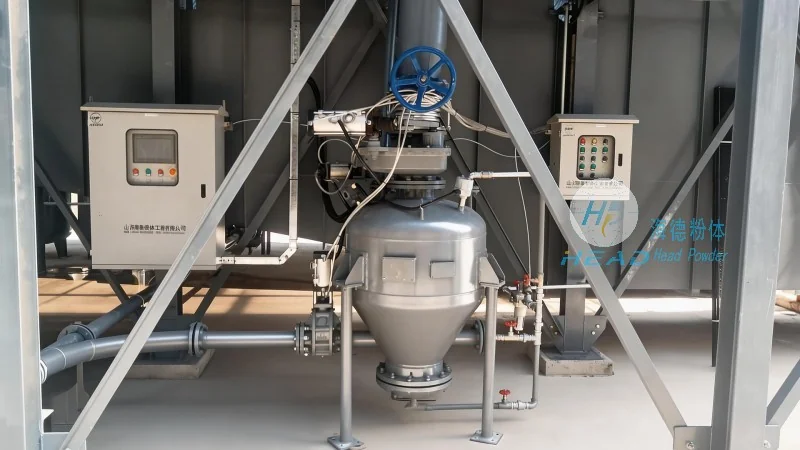
The operation of the dried chili powder pneumatic conveying equipment involves a series of steps that are carefully controlled to ensure optimal performance and material quality. The process starts with the preparation of the material, where the dried chili powder is loaded into the hopper. The feeder is then activated to regulate the flow rate, which is monitored by sensors to maintain a consistent material level in the hopper. The fan or blower is started, generating the necessary air pressure to initiate the conveying process. As the material is transported, the pressure and flow rates are continuously monitored by control systems, which adjust the feeder speed or fan speed as needed to maintain stable operation. The receiver collects the material, and the filter system ensures that the air discharged is clean and free from dust. The entire system is equipped with safety features, such as pressure relief valves and emergency shut-off switches, to prevent over-pressurization and ensure safe operation. The control panel allows operators to monitor all parameters in real-time, including pressure, flow rate, and material level, and to make adjustments as required. This comprehensive control system ensures that the equipment operates efficiently and reliably, minimizing downtime and maximizing productivity.
Benefits and Advantages of Using Pneumatic Conveying for Dried Chili Powder
Implementing a pneumatic conveying system for dried chili powder offers several significant benefits that enhance the overall efficiency and quality of the material handling process. One of the primary advantages is the ability to transport the material in a closed system, which prevents contamination from external sources and minimizes dust emissions, ensuring a clean and hygienic environment. This is particularly important for dried chili powder, which is often used in food processing applications where product purity is critical. The closed system also helps to maintain the quality of the material by preventing exposure to moisture, air, or other contaminants that could affect its flavor, color, or texture. Another key benefit is the high efficiency of the system, which allows for the transport of large quantities of material over long distances with minimal energy consumption. The system operates at high speeds, reducing the time required for material transfer and increasing overall productivity. Additionally, the equipment is designed to be easy to clean and maintain, with components that can be easily disassembled and sanitized, ensuring compliance with food safety regulations. The use of stainless steel or other corrosion-resistant materials in the construction of the system also extends its lifespan and reduces maintenance costs over time. Overall, the pneumatic conveying system provides a reliable and cost-effective solution for handling dried chili powder, improving the efficiency of the production process and maintaining the quality of the final product.