

Operation Process and Working Principle of Pneumatic Conveying Equipment for Metal Particle Material
HeadPowder, a leading manufacturer based in Shandong, China, specializes in the design and production of advanced pneumatic conveying equipment tailored for metal particle materials. This equipment is essential for industries dealing with metal powders, granules, and other fine or bulk materials, offering a reliable and efficient method for material transport. The following sections will explore the operation process and working principles of such systems, highlighting key components, operational steps, and the technical advantages that make them ideal for various industrial applications.
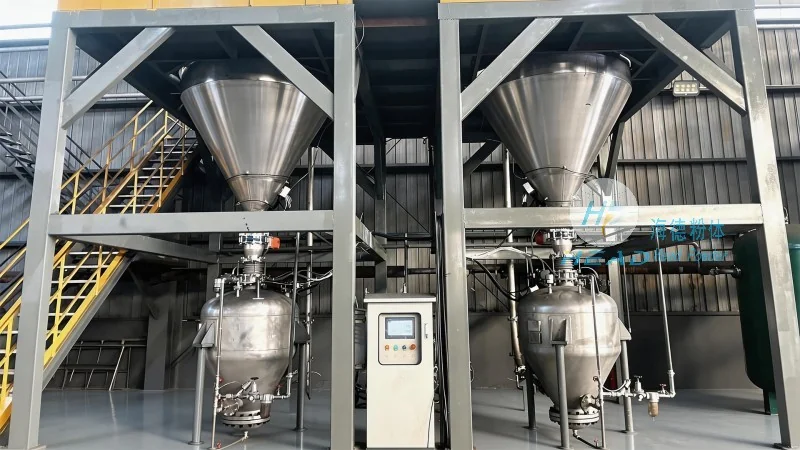
Key Components of the Pneumatic Conveying System
The pneumatic conveying system for metal particle materials typically consists of several core components that work in tandem to ensure smooth material transport. These include the hopper or feed hopper, which stores and feeds the metal particles into the system; the air compressor or blower, which generates the necessary airflow to move the material; the conveying line or pipe, which transports the particles through the system; and the receiver or discharge hopper, where the material is collected after transport. Additionally, the system may incorporate accessories such as filters, cyclones, and control valves to enhance performance and ensure safe operation.
Operation Process of the Pneumatic Conveying Equipment
The operation process of the pneumatic conveying equipment for metal particle materials involves a series of steps designed to efficiently move the material from the source to the destination. The process begins with the loading of metal particles into the feed hopper. The hopper is equipped with a feeding mechanism, such as a screw feeder or a rotary valve, which regulates the flow of particles into the conveying line. Once the particles are in the hopper, the air compressor starts operating, generating a high-pressure airflow that is directed into the conveying line. The airflow creates a vacuum or pressure differential that draws the metal particles into the line, where they are carried along by the air stream. The particles travel through the conveying line, which may include bends, expansions, or contractions, to reach the receiver. The receiver is designed to separate the particles from the air, typically using a cyclone or a filter, and collects the material in a discharge hopper. The system may also include a control panel that monitors the pressure, flow rate, and other parameters to ensure optimal operation. The entire process is automated, allowing for continuous and unattended operation, which enhances productivity and reduces labor costs.
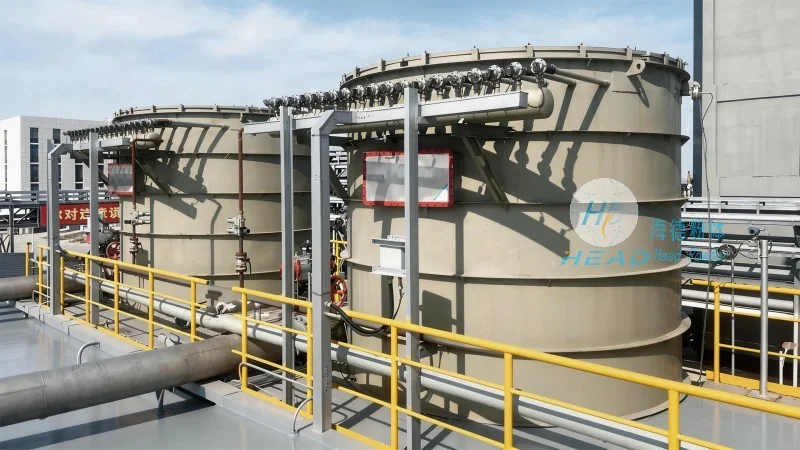
Working Principle of the Pneumatic Conveying System
The working principle of the pneumatic conveying system for metal particle materials is based on the principles of fluid dynamics and particle transport. The system uses compressed air to create a flow that transports the metal particles through the conveying line. The key to the system's effectiveness is the balance between the air velocity and the particle size and density. The air velocity must be sufficient to overcome the gravitational force acting on the particles and to maintain the particles in suspension. If the air velocity is too low, the particles will settle and clog the line; if it is too high, the particles may be damaged or the system may become inefficient. The system also relies on the pressure differential created by the air compressor to move the particles. The pressure at the inlet of the conveying line is higher than the pressure at the outlet, creating a force that drives the particles forward. The system may operate in either positive pressure or negative pressure mode, depending on the application and the distance of the transport. Positive pressure systems use compressed air to push the particles through the line, while negative pressure systems use a vacuum to draw the particles in. The choice of mode depends on factors such as the material's properties, the distance of transport, and the system's design.
Technical Advantages of the Pneumatic Conveying Equipment
The pneumatic conveying equipment for metal particle materials offers several technical advantages that make it a preferred choice for industrial applications. One of the main advantages is its ability to transport materials in a closed system, which prevents contamination from dust, moisture, or other environmental factors. This is particularly important for metal particles, which are often sensitive to moisture or oxidation. The closed system also reduces the risk of material loss and improves safety by containing the particles within the system. Another advantage is the system's flexibility, which allows it to transport materials over long distances and through complex layouts, such as multiple bends or vertical lifts. The system can also handle a wide range of particle sizes and shapes, from fine powders to coarse granules, without requiring significant modifications. Additionally, the system is energy-efficient compared to other transport methods, such as belt conveyors or trucks, as it uses compressed air, which is a relatively low-cost energy source. The system also has low maintenance requirements, as it has fewer moving parts and is less prone to wear and tear compared to other equipment. Finally, the system is highly scalable, allowing it to be customized to meet the specific needs of different industries and applications.
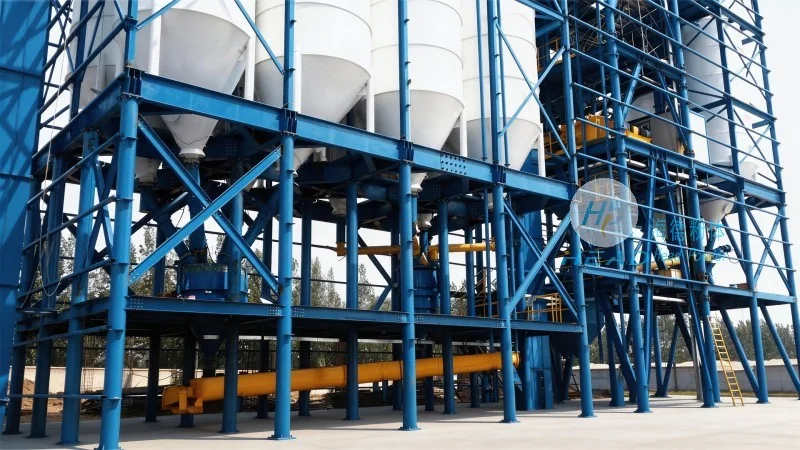
Applications of the Pneumatic Conveying System
The pneumatic conveying system for metal particle materials is widely used in various industries, including metal processing, chemical manufacturing, pharmaceuticals, and food processing. In metal processing, the system is used to transport metal powders, such as aluminum, copper, and steel, from the production line to the storage or processing areas. In chemical manufacturing, the system is used to transport raw materials, such as metal oxides or salts, to the reactors or mixing tanks. In pharmaceuticals, the system is used to transport active pharmaceutical ingredients (APIs) or excipients, ensuring a clean and sterile environment. In food processing, the system is used to transport food-grade metal particles, such as spices or seasonings, to the packaging or processing areas. The system's ability to handle fine or bulk materials, its closed system design, and its flexibility make it suitable for a wide range of applications.
Conclusion
HeadPowder's pneumatic conveying equipment for metal particle materials is a reliable and efficient solution for material transport in various industrial applications. The system's operation process and working principles are based on proven technology, ensuring consistent performance and minimal downtime. The key components, operational steps, and technical advantages of the system have been discussed, highlighting its benefits in terms of efficiency, safety, and flexibility. As industries continue to demand higher productivity and better material handling solutions, the pneumatic conveying system remains a popular choice due to its adaptability and cost-effectiveness. HeadPowder, with its expertise and commitment to quality, continues to provide innovative solutions that meet the evolving needs of the industry.