With more than 10‑year industry experience, Shandong Headpowder delivers full‑service pneumatic‑conveying systems and blowers, undertaking nationwide turn‑key powder‑handling projects.
High-temperature ash powder conveying systems are specialized industrial equipment designed to handle and transport ash powders generated from thermal power plants or other high-temperature combustion processes. These systems play a crucial role in the efficient management of ash, ensuring safe and reliable movement of the material from its source to disposal or further processing locations. Understanding the components and design principles of such systems is essential for optimizing performance and ensuring operational safety.
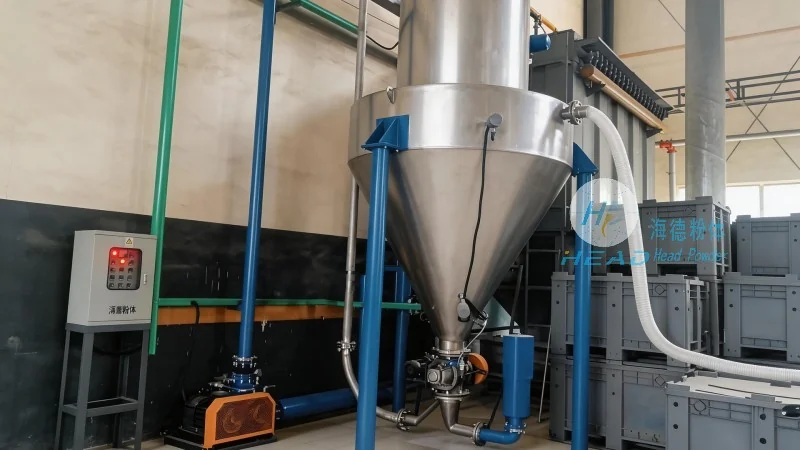
A high-temperature ash powder conveying system typically consists of several key components, including feed hoppers, conveyor mechanisms (such as screw conveyors or pneumatic systems), temperature control units, and discharge systems. The primary function is to transport ash powders, which often retain residual heat from the combustion process, over varying distances and at controlled temperatures. The system must be engineered to withstand the high temperatures and abrasive nature of the ash, while also ensuring minimal material loss and efficient energy use.
The design of a high-temperature ash powder conveying system is guided by several critical principles aimed at ensuring durability, efficiency, and safety. First, material selection is paramount. Components such as hoppers, conveyor screws, and piping are often made from corrosion-resistant and heat-resistant materials like stainless steel or specialized alloys to withstand the harsh conditions of high-temperature ash. This choice minimizes wear and tear and prevents contamination of the ash during transport.
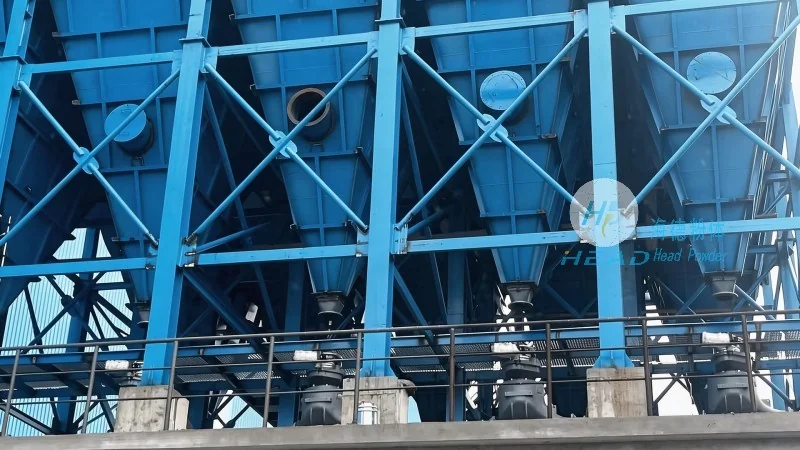
Second, temperature management is a key design consideration. High-temperature ash can cause significant heat buildup in the system, which may lead to equipment failure or safety hazards. Therefore, systems incorporate temperature control mechanisms, such as cooling jackets or insulated sections, to regulate the temperature of the ash and the equipment itself. This ensures that the material remains in a manageable state and prevents overheating of the machinery.
Third, the system’s structural design focuses on maintaining material integrity and preventing blockages. Ash powders can be abrasive and prone to clumping, especially when exposed to moisture or high temperatures. To address this, conveying systems often include features like agitators or vibration mechanisms to keep the material in a fluidized state, ensuring smooth and continuous transport. Additionally, the design may incorporate self-cleaning features to prevent ash buildup in critical areas, reducing maintenance requirements and extending the system’s operational life.
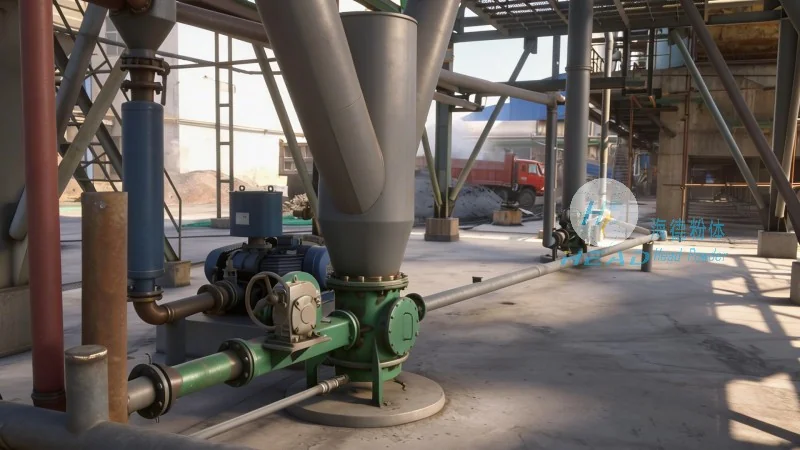
Each component of a high-temperature ash powder conveying system serves a specific purpose, contributing to the overall efficiency and reliability of the operation. The feed hopper is responsible for receiving the ash from the source, such as a boiler or ash storage silo. It is designed to handle the bulk volume of ash and may include level sensors to monitor the material’s quantity. The conveyor mechanism, whether a screw conveyor or a pneumatic system, is the core of the transport process. Screw conveyors use rotating screws to push the ash forward, while pneumatic systems utilize air pressure to move the material through pipes. Both methods are effective, but the choice depends on factors like the ash’s moisture content and the required transport distance.
The temperature control unit is another critical component, as mentioned earlier. It may include cooling coils or heat exchangers that regulate the temperature of the ash as it moves through the system. This is particularly important for preventing the ash from solidifying or causing damage to downstream equipment. The discharge system at the end of the conveyor is designed to safely release the ash into a storage container or disposal site. It may include valves or gates to control the flow rate and prevent spills or overfilling.
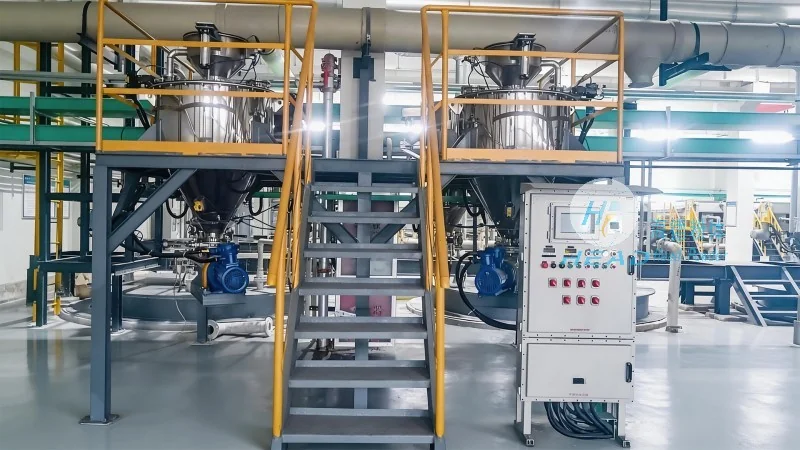
Operational efficiency and safety are maintained through regular maintenance and adherence to best practices. High-temperature ash powder conveying systems require periodic inspections to check for wear on components, such as conveyor screws or piping, and to ensure that temperature control mechanisms are functioning correctly. Lubrication of moving parts is also essential to reduce friction and extend the life of the equipment. Additionally, the system should be equipped with safety features like temperature alarms and emergency shutdown mechanisms to prevent accidents in case of malfunctions.
The design and implementation of a high-temperature ash powder conveying system by Shandong HeadPowder Engineering Co., Ltd. exemplify the application of these principles. As a leading manufacturer in the field, the company specializes in creating customized solutions tailored to the specific needs of thermal power plants and other industrial facilities. Their expertise in material selection, temperature control, and structural design ensures that their systems meet the highest standards of performance and safety, providing reliable and efficient ash management for their clients.

 Shandong Headpowder Engineering Co., Ltd.
 156-6277-7102(Manager Zhang)
  0531-83386006
  Zhangqiu District, Jinan City, Shandong Province, China
telephone
WeChatconsult
top