With more than 10‑year industry experience, Shandong Headpowder delivers full‑service pneumatic‑conveying systems and blowers, undertaking nationwide turn‑key powder‑handling projects.
HeadPowder, a leading engineering company based in Shandong, China, specializes in the design, manufacturing, and installation of advanced pneumatic conveying systems for various industrial applications. This article provides a detailed overview of the operation process and working principle of a magnesium sulfate powder pneumatic conveying system, highlighting the key components, operational steps, and technical mechanisms that ensure efficient and reliable material handling.
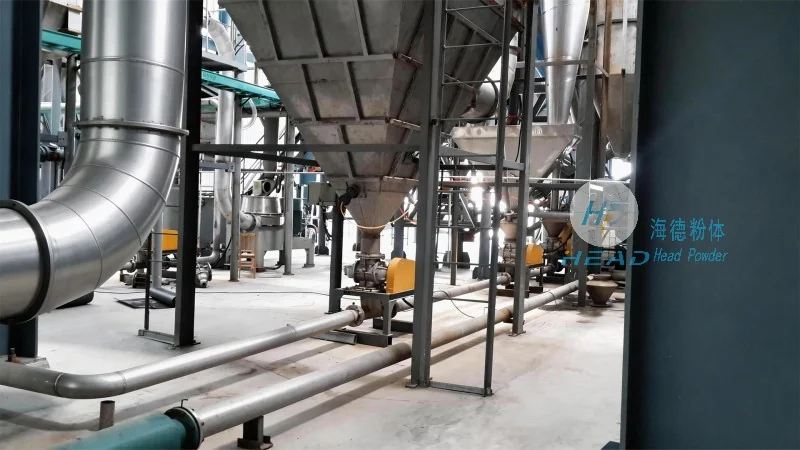
The magnesium sulfate powder pneumatic conveying system typically consists of several critical components that work in tandem to transport the material. These include a material hopper for storage, a rotary airlock valve to control the flow of powder, a positive displacement blower or rotary lobe pump to generate the necessary air pressure, a pipeline system for conveying the material, and a receiver or discharge hopper at the destination. Each component plays a vital role in the overall system performance, ensuring smooth and continuous operation.
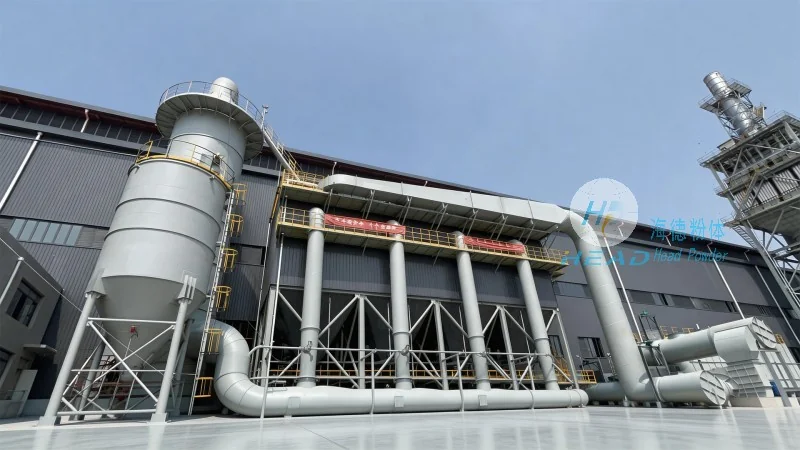
The operation process of the magnesium sulfate powder pneumatic conveying system involves several sequential steps. First, the magnesium sulfate powder is fed into the material hopper from the storage silo. The rotary airlock valve then regulates the flow of powder into the conveying line, preventing backflow and maintaining a consistent feed rate. Next, the positive displacement blower or pump starts operating, generating high-pressure air that is introduced into the pipeline. The air and powder mixture is then transported through the pipeline to the receiving hopper at the destination. At the receiving end, a rotary airlock valve or a filter system separates the powder from the air, allowing the powder to be discharged into the final storage or processing area. The system operates continuously, with the blower maintaining a constant air pressure to ensure the material is conveyed efficiently without clogging or degradation.
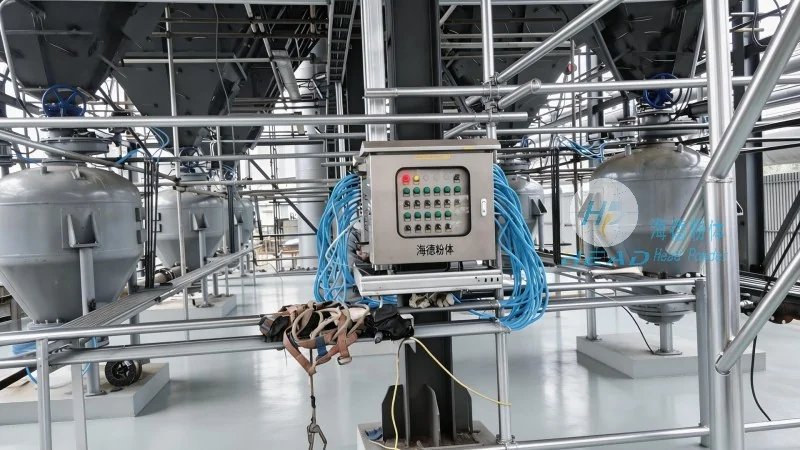
The working principle of the magnesium sulfate powder pneumatic conveying system is based on the use of air as the conveying medium to transport the powder. The system operates under positive pressure, where the blower or pump creates a pressure differential between the hopper and the receiving end. As the air is forced through the pipeline, it entrains the magnesium sulfate powder particles, forming a dense phase or dilute phase flow depending on the system design and operating conditions. The dense phase conveying, also known as slugging, is often used for long-distance or high-capacity applications as it reduces particle degradation and improves system efficiency. The dilute phase conveying, on the other hand, is suitable for shorter distances and lower capacities, providing a more stable and consistent flow. The system's performance is influenced by factors such as air velocity, particle size, moisture content, and pipeline diameter, all of which must be optimized to achieve the desired conveying efficiency and material quality.
When implementing a magnesium sulfate powder pneumatic conveying system, several technical advantages and considerations must be taken into account. The system offers advantages such as reduced material handling costs, improved safety by eliminating manual handling, and increased production efficiency by enabling continuous operation. However, the system also requires careful design and maintenance to prevent issues such as clogging, corrosion, or air leakage. The selection of appropriate components, such as the blower type and pipeline material, is crucial to ensure the system operates within the optimal parameters for magnesium sulfate powder, which may have specific properties like hygroscopicity or abrasiveness. Regular maintenance, including cleaning of the air filter, checking for air leaks, and inspecting the rotary airlock valves, is essential to maintain the system's performance and longevity.
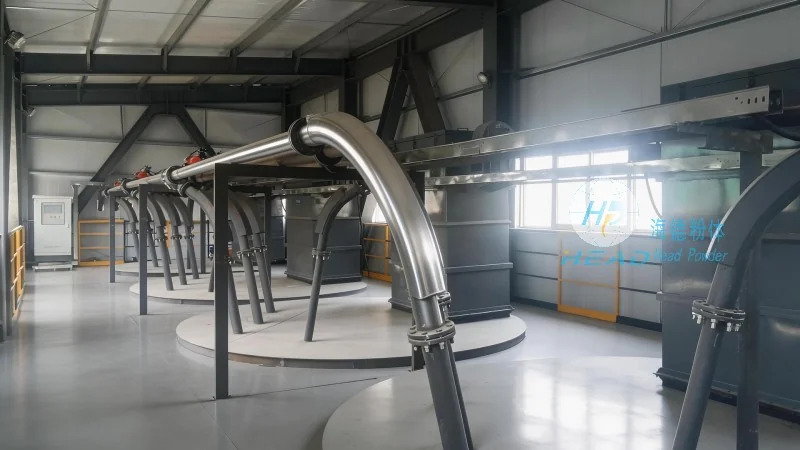
In conclusion, the magnesium sulfate powder pneumatic conveying system is an efficient and reliable solution for transporting magnesium sulfate powder in industrial applications. By understanding the operation process and working principle of the system, as well as considering the key components and technical factors, industries can optimize their material handling processes and improve overall operational efficiency. HeadPowder, with its expertise in engineering and manufacturing, provides comprehensive solutions for pneumatic conveying systems, ensuring that clients can achieve their material handling goals with high performance and durability.

 Shandong Headpowder Engineering Co., Ltd.
 156-6277-7102(Manager Zhang)
  0531-83386006
  Zhangqiu District, Jinan City, Shandong Province, China
telephone
WeChatconsult
top