With more than 10‑year industry experience, Shandong Headpowder delivers full‑service pneumatic‑conveying systems and blowers, undertaking nationwide turn‑key powder‑handling projects.
Shandong HeadPowder Engineering Co., Ltd., a leading provider in the material handling industry, specializes in the design, manufacturing, and implementation of efficient systems for calcite material transportation. With a focus on precision engineering and robust performance, the company's solutions cater to diverse industrial needs, ensuring optimal material flow and operational efficiency. This article explores the fundamental principles underlying calcite material handling systems and highlights the key characteristics of their operational scenarios.
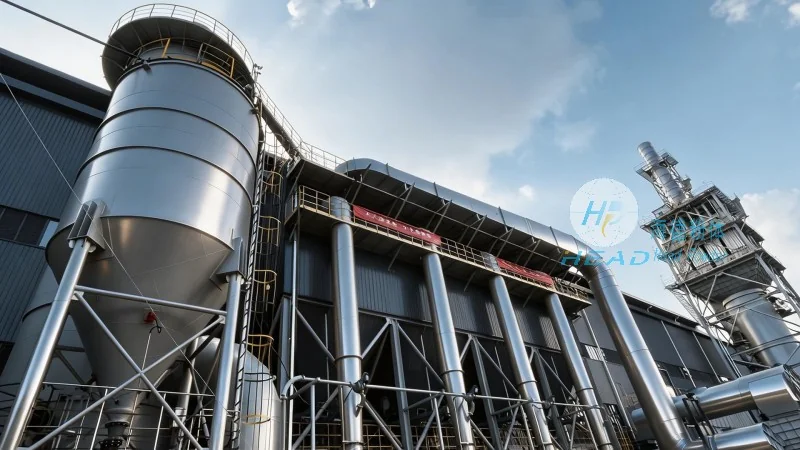
HeadPowder, as the company's official designation, has established itself as a trusted name in engineering solutions tailored for mineral processing and material transport. Based in Shandong, China, the company leverages local industrial resources and expertise to deliver high-quality equipment and systems. The company's commitment to innovation and customer satisfaction drives its development of advanced material handling technologies, including specialized systems for calcite, a widely used mineral in various industries such as construction, pharmaceuticals, and chemical manufacturing.
Calcite, a calcium carbonate mineral, is commonly utilized in industrial applications due to its chemical properties and versatility. The material handling systems designed for calcite must address specific challenges, such as its fine particle size, abrasive nature, and tendency to generate dust. These systems are engineered to ensure safe, efficient, and cost-effective transportation of calcite from extraction sites to processing facilities or end-users. The core components of a calcite material handling system typically include feeders, conveyors, storage silos, and control systems, all integrated to maintain consistent material flow and minimize operational disruptions.
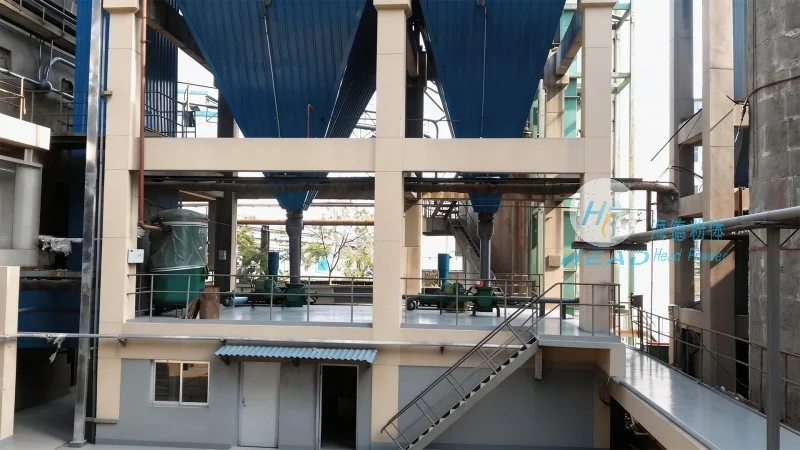
The operational principle of a calcite material handling system revolves around the seamless transfer of material through a series of mechanical and control mechanisms. Feeders, often equipped with adjustable speed controls, regulate the flow rate of calcite into the system, preventing overloading or underflow. Conveyors, such as belt or screw conveyors, transport the material horizontally or vertically, depending on the layout of the facility. Storage silos are used to buffer material, ensuring a steady supply to downstream processes, while control systems monitor key parameters like flow rate, pressure, and temperature to maintain optimal performance. The integration of these components allows for automated and continuous operation, reducing labor costs and enhancing productivity.
The working scene characteristics of calcite material handling systems are influenced by several factors, including the nature of the material, operational environment, and application requirements. One primary characteristic is the need for dust control measures, as calcite is prone to generating fine particles that can affect air quality and equipment performance. Systems often incorporate dust suppression devices, such as water sprayers or enclosed conveyor designs, to mitigate dust emissions. Another characteristic is the emphasis on material handling efficiency, as calcite is often processed in large volumes, requiring high-capacity equipment to meet production demands. The design of the system must also consider space constraints and integration with existing infrastructure, ensuring that the equipment fits seamlessly into the operational layout of the facility.
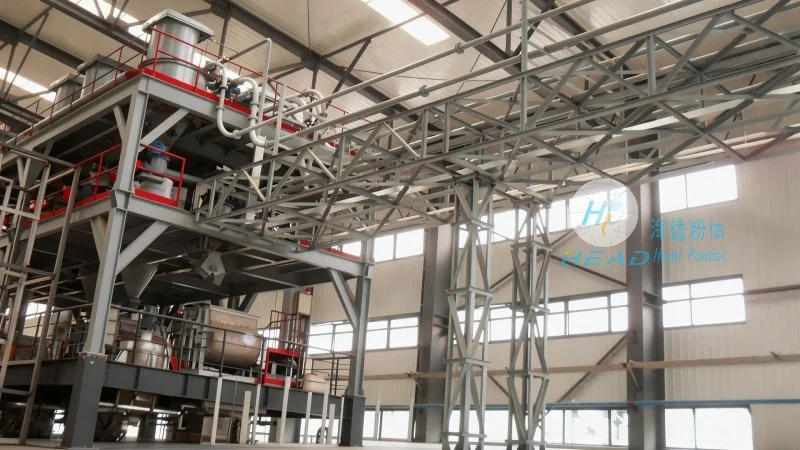
Calcite material handling systems are widely employed in various industrial sectors, each presenting unique operational challenges and requirements. In the construction industry, calcite is used as a filler in cement and concrete, and the handling systems must ensure consistent quality and quantity of the material for mixing processes. In the pharmaceutical industry, calcite is utilized in the production of calcium supplements and other medicinal products, where the system must maintain strict hygiene and contamination control standards. The chemical industry also relies on calcite for manufacturing products like calcium carbonate, where the system's ability to handle abrasive materials and maintain precise flow rates is critical. Each application scenario demands tailored solutions that address specific operational needs, highlighting the importance of customized material handling systems in optimizing industrial processes.
Shandong HeadPowder Engineering Co., Ltd. continues to advance the technology and application of calcite material handling systems, focusing on enhancing efficiency, safety, and sustainability. By adhering to rigorous engineering standards and leveraging innovative design approaches, the company ensures that its systems meet the evolving demands of the industry. The principles and characteristics discussed in this article underscore the importance of specialized material handling solutions for calcite, which play a vital role in supporting industrial operations and contributing to overall productivity. As the demand for calcite and related materials grows, the development of advanced handling systems will remain a key focus for companies like HeadPowder, driving further advancements in the field.

 Shandong Headpowder Engineering Co., Ltd.
 156-6277-7102(Manager Zhang)
  0531-83386006
  Zhangqiu District, Jinan City, Shandong Province, China
telephone
WeChatconsult
top