With more than 10‑year industry experience, Shandong Headpowder delivers full‑service pneumatic‑conveying systems and blowers, undertaking nationwide turn‑key powder‑handling projects.
For industrial applications involving the handling of PVC powders, an efficient and reliable conveying system is crucial. The PVC powder conveying system, as provided by Shandong HeadPowder Engineering Co., Ltd., is designed to meet the demands of modern powder processing industries. This equipment ensures seamless material transport from storage to processing units, enhancing productivity and safety in operations.
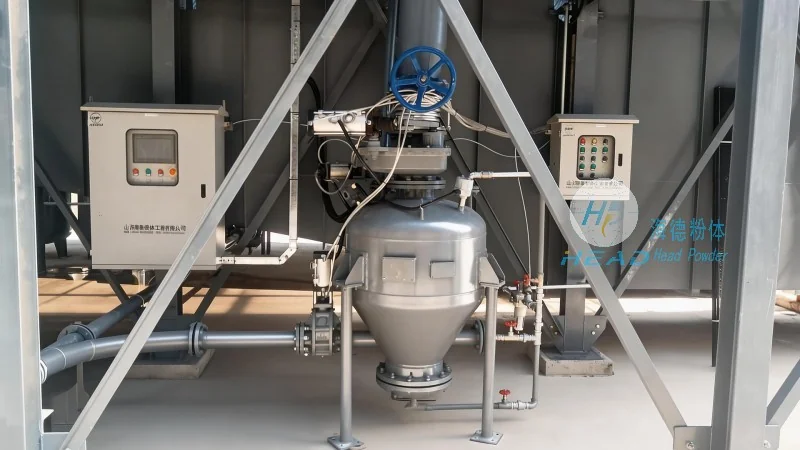
The PVC powder conveying system consists of several integral components that work in tandem to achieve effective material transport. These components include hoppers for material storage, feeders to control the flow rate, conveyor lines (such as pneumatic or mechanical systems), and control panels for monitoring and adjustment. Each component plays a vital role in maintaining the system's efficiency and preventing issues like clogging or material degradation.
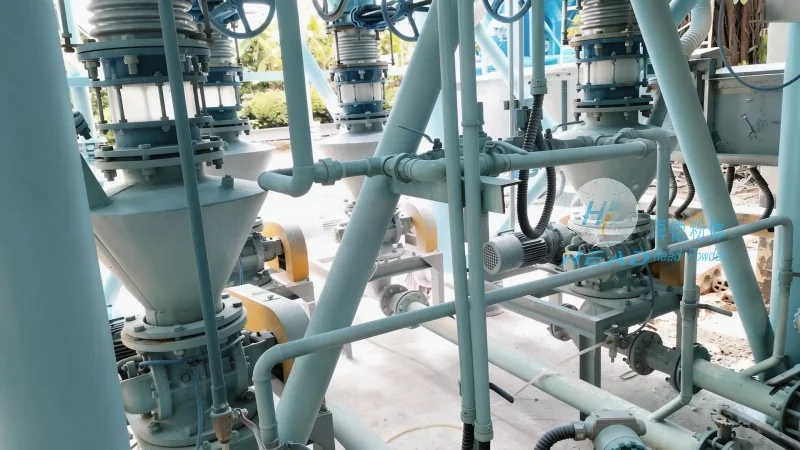
The core working principle of the PVC powder conveying system is based on the transfer of material through a controlled environment. In pneumatic conveying systems, for instance, the system uses compressed air to create a pressure differential that propels the PVC powder particles through the pipeline. The feed hopper introduces the powder into the system, and the feeder regulates the flow to match the conveying capacity. The control panel allows operators to adjust parameters such as air pressure, flow rate, and material feed, ensuring optimal performance. This mechanism minimizes material loss and maintains consistent product quality throughout the conveying process.
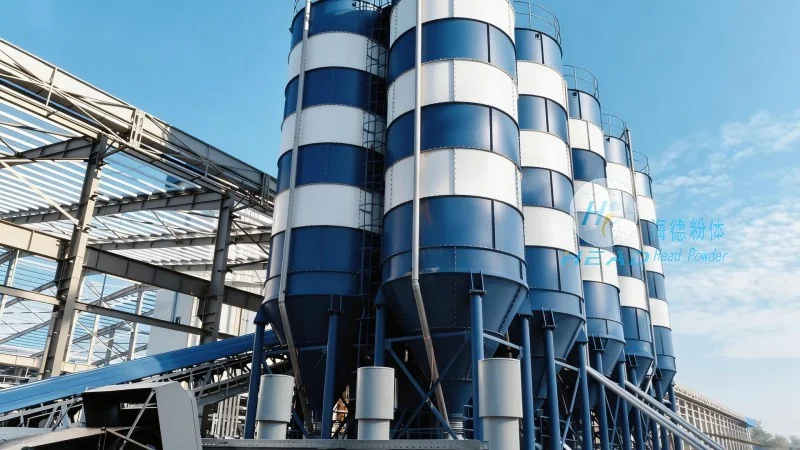
The operation process of the PVC powder conveying system begins with the loading of PVC powder into the hopper. The hopper is typically equipped with a lid and a discharge valve to control the material entry. Once the hopper is filled, the feeder activates, and the powder is fed into the conveyor line. The conveyor system then transports the powder to the discharge point, which may be a storage silo, a processing machine, or another handling unit. The control panel continuously monitors the system's performance, providing real-time feedback on flow rates, pressure, and any potential blockages. Operators can adjust settings as needed to maintain smooth operation and prevent system downtime.
Implementing a PVC powder conveying system offers several advantages for industrial operations. Firstly, it enhances safety by reducing manual handling of powders, minimizing the risk of dust explosions and occupational exposure. Secondly, the system improves efficiency by automating the material transport process, leading to higher throughput and reduced labor costs. Additionally, the controlled environment of the conveying system helps maintain the quality of the PVC powder, preventing contamination and degradation. The system's modular design also allows for easy integration with existing production lines, making it a versatile solution for various industrial applications.
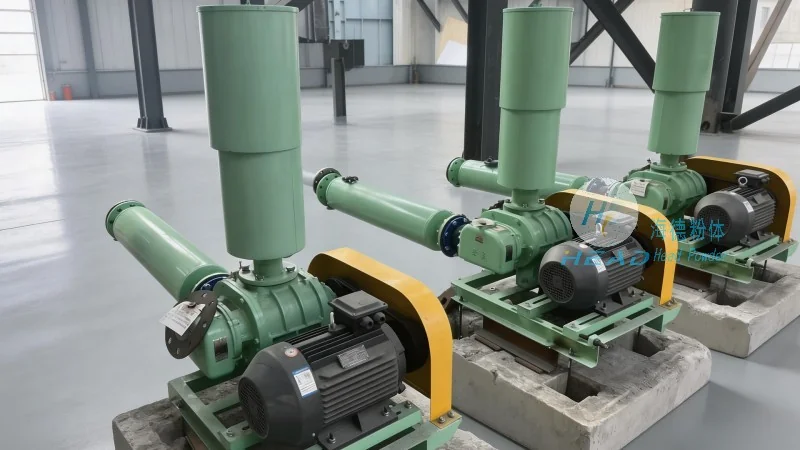
To ensure the longevity and optimal performance of the PVC powder conveying system, regular maintenance is essential. Routine checks should include inspecting the hopper and feeder for blockages, cleaning the conveyor lines to prevent powder buildup, and checking the air compressor and control panel for any signs of wear or malfunction. If issues arise, such as reduced flow or increased pressure, operators should refer to the system's manual for troubleshooting steps. Common problems may include clogged filters, air leaks, or incorrect feeder settings, which can be addressed through simple adjustments or component replacements. Proper maintenance not only extends the system's lifespan but also ensures consistent operation and product quality.

 Shandong Headpowder Engineering Co., Ltd.
 156-6277-7102(Manager Zhang)
  0531-83386006
  Zhangqiu District, Jinan City, Shandong Province, China
telephone
WeChatconsult
top