With more than 10‑year industry experience, Shandong Headpowder delivers full‑service pneumatic‑conveying systems and blowers, undertaking nationwide turn‑key powder‑handling projects.
Multi-hopper pneumatic conveying systems are advanced industrial equipment designed to efficiently transport bulk powders and granular materials over long distances with minimal product degradation. These systems are widely used in various industries, including chemical, food, pharmaceutical, and mining, due to their flexibility, reliability, and ability to handle a wide range of materials. This article provides a detailed overview of the operation process and working principle of such systems, along with insights into the key components and benefits.
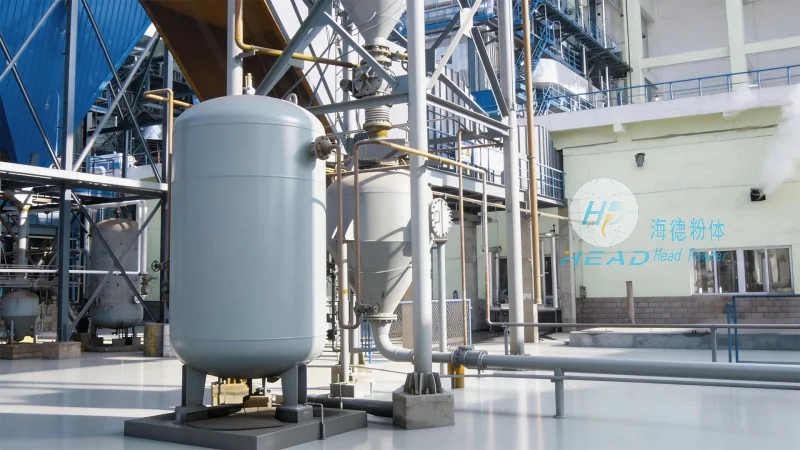
HeadPowder, a leading manufacturer of pneumatic conveying solutions, specializes in the design, manufacturing, and installation of multi-hopper systems. With a strong commitment to quality and innovation, Shandong HeadPowder Engineering Co., Ltd. has established itself as a trusted partner for businesses seeking efficient material handling solutions. The company is headquartered in Shandong, China, and leverages years of industry experience to deliver customized systems that meet the unique requirements of each client.
The operation of a multi-hopper pneumatic conveying system involves several sequential steps that ensure smooth and continuous material transport. The process typically begins with the loading of bulk material into the hoppers. Each hopper is equipped with a feeder, such as a rotary valve or a screw feeder, which controls the flow rate of the material into the conveying line. The system operates under a positive or negative pressure environment, depending on the specific application and material characteristics. In positive pressure systems, air is forced through the material, while in negative pressure systems, air is drawn out, creating a vacuum that pulls the material through the pipeline.

Once the material is fed into the conveying line, it is mixed with the carrier air and transported to the destination silo or processing unit. The multi-hopper design allows for the simultaneous handling of different materials or the sequential transport of the same material in different batches. This flexibility is particularly valuable in applications where multiple products need to be handled or where the system needs to be adapted for varying production demands. The control system, which is integrated into the system, monitors and regulates the flow rates, pressure levels, and other parameters to ensure optimal performance and prevent issues such as blockages or overloading.
The core working principle of a multi-hopper pneumatic conveying system is the use of air as a carrier medium to move bulk materials. The system relies on the principles of fluid dynamics and particle transport to achieve efficient material handling. The key components include hoppers, feeders, conveying lines, and a control system. The hoppers are designed to store the bulk material and provide a controlled feed to the system. The feeders regulate the flow rate of the material into the conveying line, ensuring a consistent and stable supply. The conveying lines, typically made of stainless steel or other corrosion-resistant materials, transport the material and air mixture. The control system manages the pressure, flow, and other parameters to maintain the system's performance and safety.
In a positive pressure system, the air is compressed and forced through the material, creating a high-velocity air stream that entrains the particles and moves them through the pipeline. The air velocity is carefully controlled to prevent particle degradation and ensure efficient transport. In a negative pressure system, the air is drawn out of the system, creating a vacuum that pulls the material through the pipeline. This method is often used for applications where dust control is critical or where the material is sensitive to high temperatures.
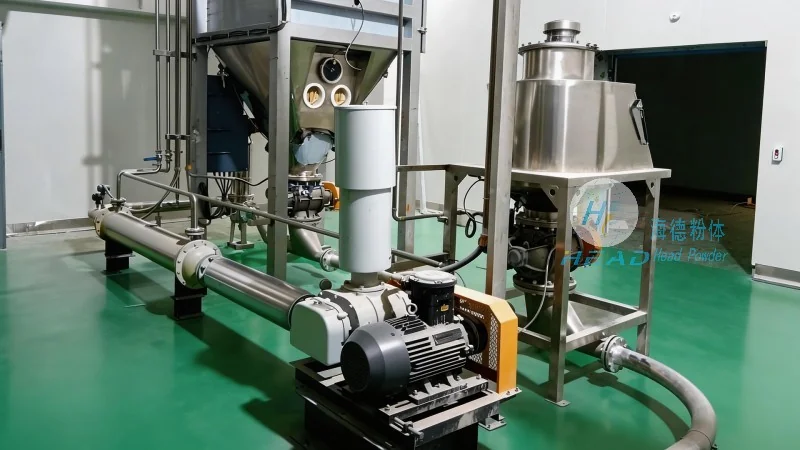
Multi-hopper pneumatic conveying systems consist of several critical components that work together to ensure efficient operation. The hoppers are the primary storage units and are designed to accommodate large volumes of bulk material. Each hopper is equipped with a feeder, which controls the material flow rate. The conveying lines are made of durable materials to withstand the pressure and wear from the material and air mixture. The control system, which may include sensors, valves, and a programmable logic controller (PLC), monitors and regulates the system's performance. The system also includes filters and cyclones to separate the material from the air and return the air to the system for reuse, reducing energy consumption and environmental impact.
Multi-hopper pneumatic conveying systems offer numerous benefits that make them ideal for various industrial applications. These systems provide efficient and reliable material transport, reducing the need for manual handling and improving safety. The flexibility of the multi-hopper design allows for the handling of different materials or the sequential transport of the same material, making them suitable for diverse production processes. The systems also help to minimize product degradation, as the material is transported in a controlled environment with minimal contact with air or other contaminants. Additionally, the systems are energy-efficient and can be customized to meet specific production requirements, making them a cost-effective solution for businesses.
Applications of multi-hopper pneumatic conveying systems include the transport of powders and granules in the chemical industry, the handling of food ingredients in the food processing industry, the transport of pharmaceutical powders in the pharmaceutical industry, and the movement of minerals and ores in the mining industry. The systems are also used in the packaging industry for transporting raw materials to production lines and in the construction industry for transporting bulk materials to job sites.
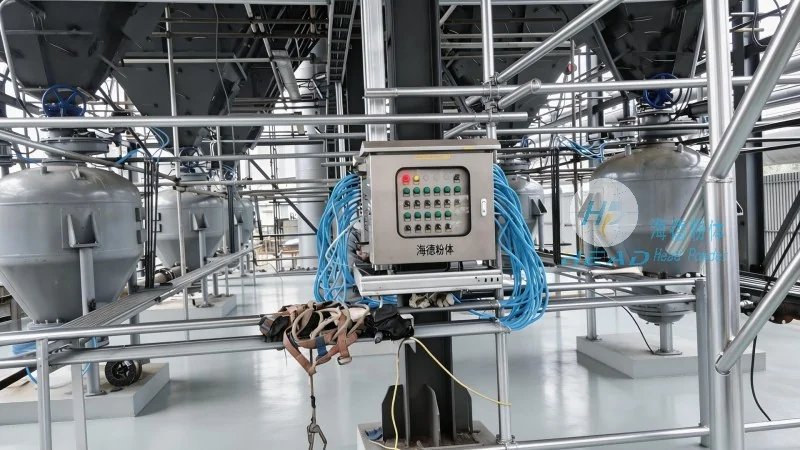
Maintaining the performance and safety of a multi-hopper pneumatic conveying system is crucial for its long-term operation. Regular maintenance, including cleaning of filters, checking of feeder components, and inspection of conveying lines, is essential to prevent blockages and ensure efficient operation. The system should also be equipped with safety features, such as pressure relief valves, emergency shut-off valves, and dust collection systems, to protect operators and the environment. Proper training of personnel on the operation and maintenance of the system is also important to ensure safe and efficient use.
HeadPowder provides comprehensive maintenance and support services to ensure that its multi-hopper systems operate at peak performance. The company's technical team is available to assist with system installation, commissioning, and ongoing maintenance, ensuring that clients receive the best possible service and support. By adhering to strict quality standards and using advanced technology, HeadPowder ensures that its systems are reliable, durable, and meet the highest industry standards.

 Shandong Headpowder Engineering Co., Ltd.
 156-6277-7102(Manager Zhang)
  0531-83386006
  Zhangqiu District, Jinan City, Shandong Province, China
telephone
WeChatconsult
top