With more than 10‑year industry experience, Shandong Headpowder delivers full‑service pneumatic‑conveying systems and blowers, undertaking nationwide turn‑key powder‑handling projects.
Understanding the operation process and working principle of dry flue gas desulfurization (FGD) is crucial for industries seeking to comply with environmental regulations while maintaining efficient power generation. This technology is designed to remove sulfur dioxide (SO₂) from flue gases, a key step in reducing air pollution and mitigating acid rain. Shandong HeadPowder Engineering Co., Ltd., a leading provider of industrial environmental solutions, specializes in the design, installation, and maintenance of dry FGD systems for various industrial applications. The company is located in Shandong, China, and serves clients globally with advanced environmental technologies.
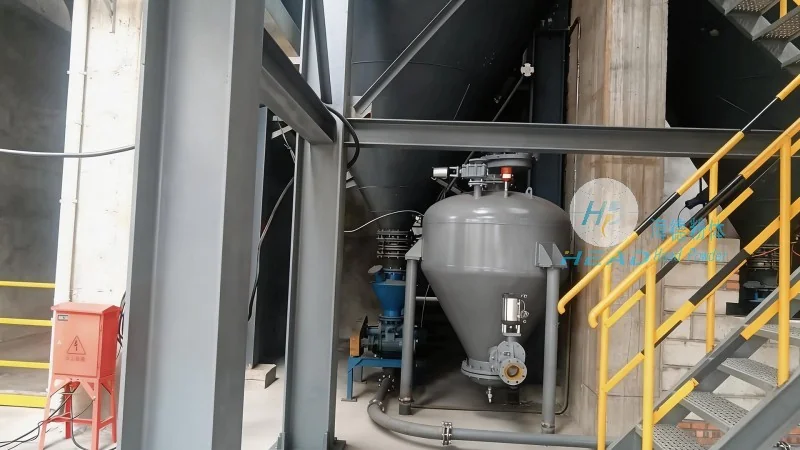
Dry flue gas desulfurization is a technology used in power plants and industrial facilities to capture sulfur dioxide from exhaust gases. Unlike wet FGD systems, which use liquid absorbents, dry FGD employs solid sorbents, typically alkaline materials like limestone or calcium carbonate, to react with SO₂. The process is highly efficient and offers several advantages, including lower water consumption, reduced sludge generation, and lower operating costs compared to wet systems. This makes dry FGD an attractive option for many industrial applications.
A typical dry FGD system consists of several key components that work in sequence to achieve SO₂ removal. These components include the gas handling system, the desulfurization reactor, the sorbent feeding system, and the dust collection system. Each component plays a critical role in the overall operation of the system.
The operation process of dry FGD involves several sequential steps, each designed to ensure optimal SO₂ removal and system efficiency. The process begins with the intake of flue gases from the boiler or furnace. These gases are then passed through a desulfurization reactor where the alkaline sorbent is introduced and reacts with the SO₂ present in the gas stream.
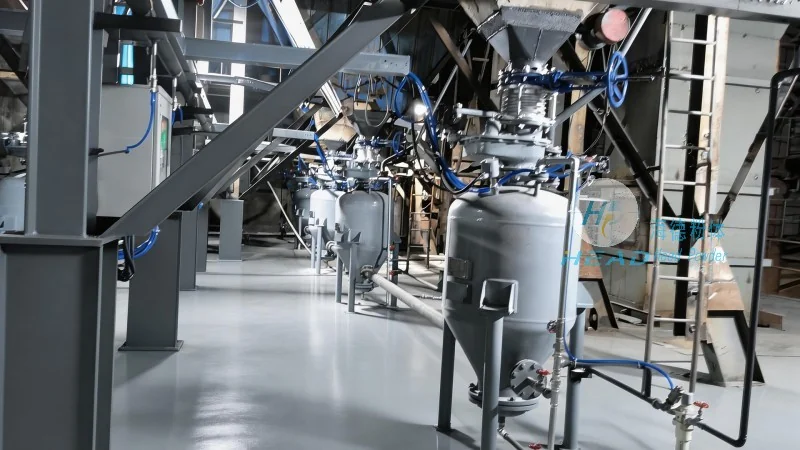
During the reaction, the sorbent particles chemically bind with the sulfur dioxide, converting it into calcium sulfite or calcium sulfate, depending on the operating conditions. The reaction is typically exothermic, and the system is designed to manage the heat generated to maintain optimal temperature levels. The gas then passes through a dust collection system, such as an electrostatic precipitator or baghouse, to remove any unreacted sorbent particles and byproducts from the gas stream.
The core of the dry FGD process is the chemical reaction between the alkaline sorbent and sulfur dioxide. The primary reaction is the absorption of SO₂ by the sorbent, followed by oxidation to form sulfates. The reaction can be represented by the following chemical equations:
1. CaO + SO₂ → CaSO₃ (Calcium sulfite)
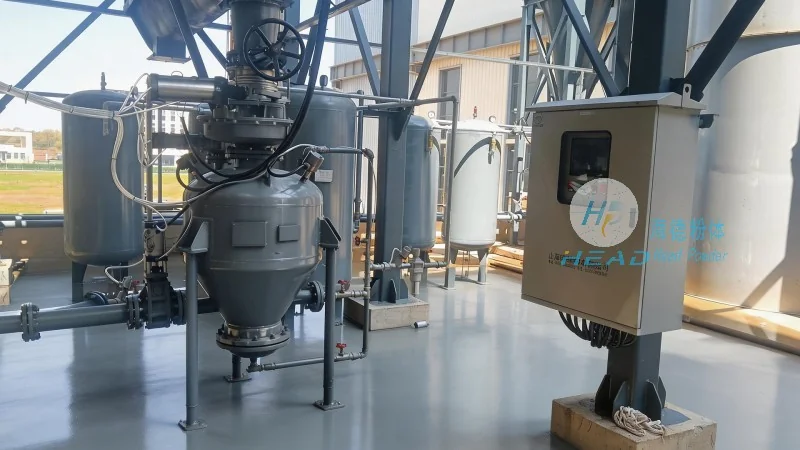
2. 2CaSO₃ + O₂ → 2CaSO₄ (Calcium sulfate)
These reactions are facilitated by the presence of moisture in the flue gas, which helps to activate the sorbent and enhance the reaction rate. The moisture content in the gas is carefully controlled to ensure efficient reaction without causing excessive moisture buildup that could lead to corrosion or system inefficiencies.
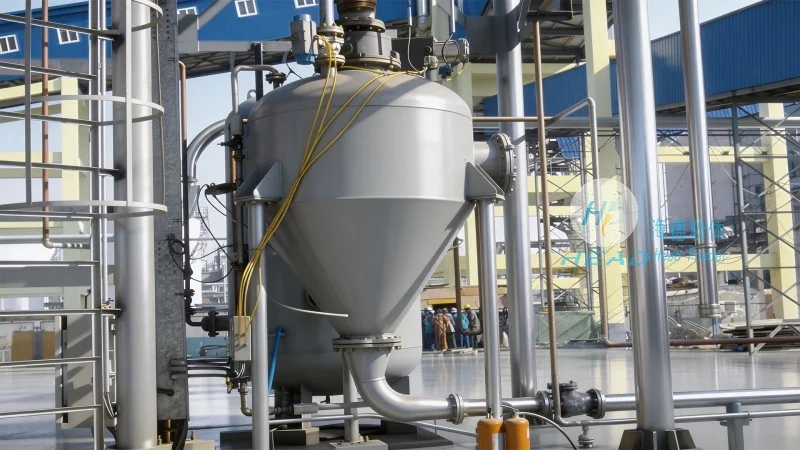
Dry FGD systems offer several advantages over traditional wet FGD systems. These include lower water usage, as no large water treatment systems are required. Additionally, the process generates less sludge, which reduces disposal costs and environmental impact. The system also has lower operating and maintenance costs due to its simpler design and fewer moving parts. Furthermore, dry FGD systems can be integrated more easily with existing power plant infrastructure, making it a cost-effective solution for retrofitting older facilities.
Dry FGD technology is widely used in power generation, particularly in coal-fired power plants, where sulfur dioxide emissions are a significant concern. The technology is also applicable to other industrial processes that generate flue gases containing sulfur compounds, such as petroleum refineries and chemical plants. The implementation of dry FGD systems requires careful consideration of the specific flue gas composition, operating conditions, and environmental regulations in the region.
Understanding the operation process and working principle of dry flue gas desulfurization is essential for industries looking to meet environmental standards while maintaining operational efficiency. The technology's ability to remove sulfur dioxide from flue gases efficiently and cost-effectively makes it a valuable solution for reducing air pollution and mitigating the effects of acid rain. As environmental regulations continue to tighten, the adoption of dry FGD systems will likely increase, providing a sustainable solution for industrial emissions management.

 Shandong Headpowder Engineering Co., Ltd.
 156-6277-7102(Manager Zhang)
  0531-83386006
  Zhangqiu District, Jinan City, Shandong Province, China
telephone
WeChatconsult
top