With more than 10‑year industry experience, Shandong Headpowder delivers full‑service pneumatic‑conveying systems and blowers, undertaking nationwide turn‑key powder‑handling projects.
Cement fly ash, a byproduct of coal combustion in thermal power plants, is widely utilized in the construction industry as a supplementary cementitious material. Efficient and reliable powder conveying of cement fly ash is crucial for maintaining production efficiency and ensuring consistent material quality. This article explores the fundamental principles of cement fly ash powder conveying and highlights the key characteristics of its working scenes, providing insights into the practical applications and operational aspects of such systems. The information presented here is based on the expertise of Shandong HeadPowder Engineering Co., Ltd., a leading provider of industrial powder handling solutions.
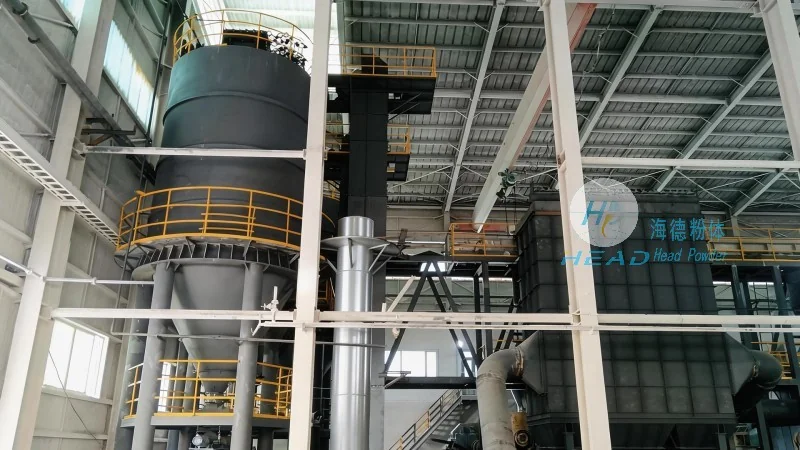
The core principle of cement fly ash powder conveying involves the use of pneumatic or mechanical methods to transport fine powders through pipelines. Pneumatic conveying systems, particularly the positive pressure type, are commonly employed due to their ability to handle high volumes of material with minimal maintenance. These systems typically consist of a blower, a hopper for material storage, a conveying line, and a receiver for the discharged material. The process begins with the material being fed into the hopper, where it is then drawn into the conveying line by the pressure generated by the blower. Air and material are mixed in the pipeline, and the mixture is transported to the destination. The receiver at the end of the line separates the material from the air, allowing the fly ash to be deposited in the designated storage area. This method ensures a continuous and controlled flow of cement fly ash, minimizing dust generation and improving safety in industrial environments.
The working scenes of cement fly ash powder conveying systems are typically found in large-scale industrial facilities such as thermal power plants, cement production plants, and construction material processing centers. These environments require robust and durable equipment capable of handling abrasive and fine powders over extended periods. The characteristics of these working scenes include high material throughput, often ranging from several tons per hour to tens of tons per hour, and the need for precise control over material flow to maintain quality standards. Additionally, the systems must be designed to operate in environments with varying temperatures and humidity levels, ensuring consistent performance under different operational conditions. The layout of the conveying system is also critical, as it must integrate seamlessly with existing production lines and storage facilities, minimizing space requirements and optimizing workflow. In many cases, these systems are integrated with other processing equipment, such as grinding mills or mixing plants, to form a comprehensive material handling solution. The working scenes also emphasize safety and environmental compliance, with features like dust collection systems and material containment measures to prevent pollution and protect personnel.
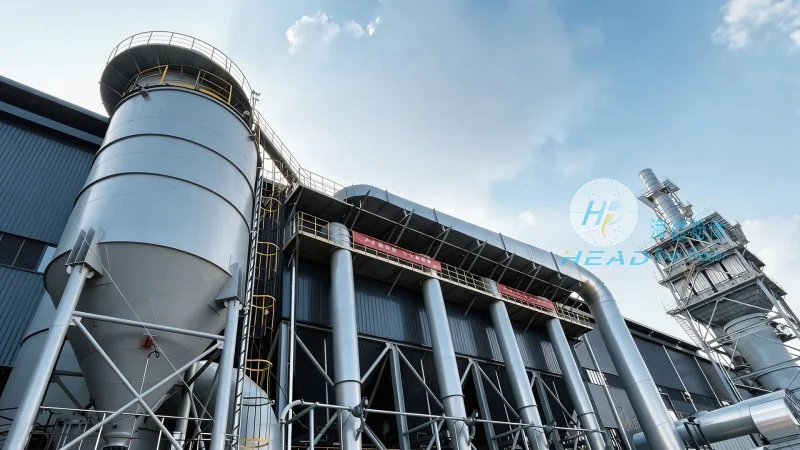
The performance of cement fly ash powder conveying systems is influenced by several key factors, including the particle size distribution of the material, the moisture content, and the air flow rate. The particle size directly affects the conveying efficiency, as finer particles require higher air velocities to maintain suspension. Moisture content is another critical factor, as excessive moisture can lead to material caking and blockages in the pipeline. Proper moisture control, such as drying the fly ash before conveying, is essential to ensure smooth operation. The air flow rate must be carefully adjusted to maintain the material in a suspended state without causing excessive energy consumption or pressure drops. Additionally, the design of the hopper and feeder is crucial, as it affects the uniformity of material discharge and prevents material bridging or segregation. Regular maintenance and monitoring of the system components, such as the blower, filters, and pipeline, are also vital to ensure long-term reliability and minimize downtime.
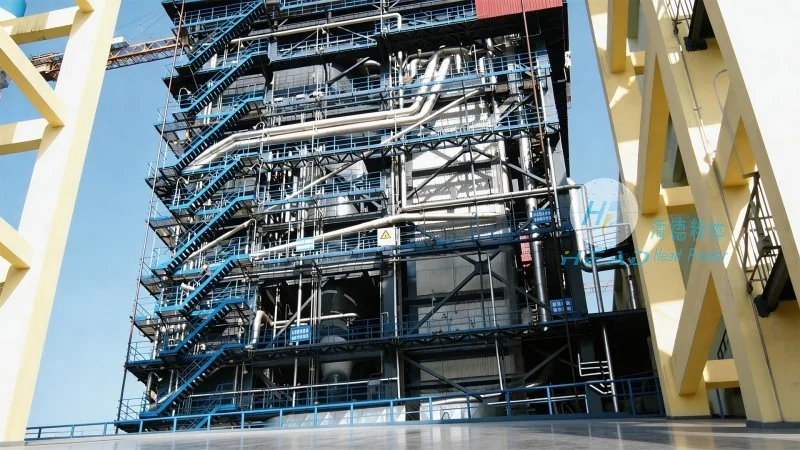
Cement fly ash powder conveying systems are widely used in various industrial applications, including the production of cement, concrete, and other construction materials. The primary benefit of these systems is the ability to transport large volumes of material efficiently and safely, reducing the need for manual handling and associated risks. This not only improves operational efficiency but also enhances workplace safety by minimizing dust exposure and potential health hazards. The systems also contribute to cost savings by reducing material waste and improving the overall productivity of the production process. Furthermore, the precise control over material flow allows for consistent quality control, ensuring that the cement fly ash meets the required specifications for use in construction projects. The integration of these systems with other processing equipment enables seamless material handling, streamlining the production workflow and reducing the overall time to market for construction materials.
In conclusion, the principles and working scene characteristics of cement fly ash powder conveying systems play a vital role in the efficient and sustainable use of this valuable byproduct. By understanding the fundamental mechanisms of pneumatic conveying and the specific requirements of industrial applications, manufacturers can design and implement systems that optimize material handling, enhance safety, and improve overall operational performance. The continuous advancement of technology in powder handling equipment further supports the development of more efficient and reliable conveying solutions, ensuring that cement fly ash remains a key component in the construction industry for years to come.

 Shandong Headpowder Engineering Co., Ltd.
 156-6277-7102(Manager Zhang)
  0531-83386006
  Zhangqiu District, Jinan City, Shandong Province, China
telephone
WeChatconsult
top