With more than 10‑year industry experience, Shandong Headpowder delivers full‑service pneumatic‑conveying systems and blowers, undertaking nationwide turn‑key powder‑handling projects.
Centralized feeding systems are critical components in modern industrial production, particularly in sectors requiring precise material handling and efficient workflow management. These systems are designed to streamline the supply of raw materials or components to various production lines, enhancing operational efficiency and reducing downtime. The following article provides a detailed overview of the operation process and working principle of such systems, highlighting key aspects that contribute to their effectiveness.
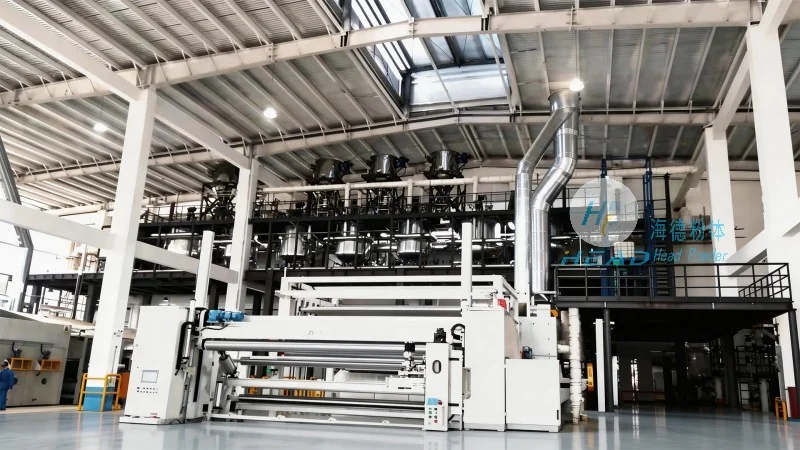
Shandong HeadPowder Engineering Co., Ltd., commonly known as HeadPowder, is a leading manufacturer specializing in the design, development, and implementation of advanced material handling solutions. With a strong focus on innovation and customer-centric approaches, HeadPowder has established itself as a trusted partner in the industry. The company is headquartered in Shandong, China, and serves a diverse range of clients across various sectors, including manufacturing, pharmaceuticals, and food processing. HeadPowder's expertise lies in creating customized centralized feeding systems tailored to meet the unique requirements of each client, ensuring optimal performance and reliability.
A centralized feeding system is a sophisticated setup that integrates multiple feeding mechanisms into a single, unified platform. The primary objective is to centralize the storage, sorting, and distribution of materials, enabling seamless transfer to different production stations. This approach eliminates the need for individual feeding units at each workstation, thereby reducing space requirements and improving overall system efficiency. The system typically consists of several key components, including a main storage hopper, feeding conveyors, sorting mechanisms, and control units. Each component plays a crucial role in the smooth operation of the entire system.
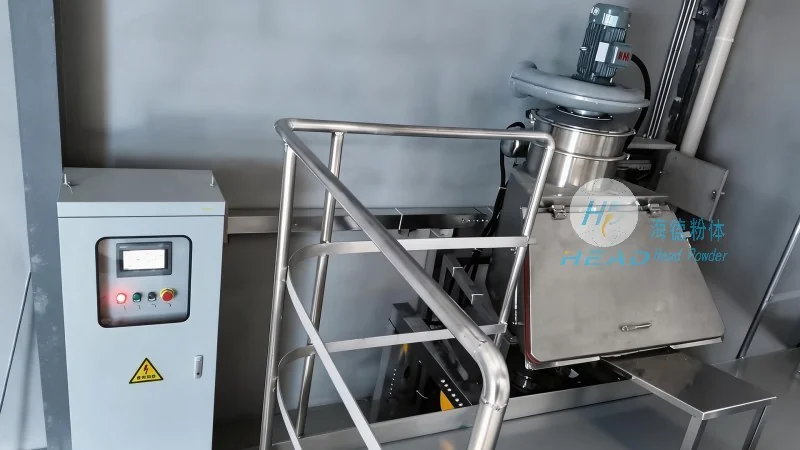
The operation process of a centralized feeding system involves several sequential steps, each designed to ensure the accurate and timely delivery of materials. The process begins with the loading of raw materials into the main storage hopper. This hopper is equipped with a hopper feeder that regulates the flow of materials, preventing overloading or underflow. Once the materials are loaded, the system initiates the feeding cycle. The hopper feeder dispenses the materials into a primary conveyor, which transports them to a sorting unit. The sorting unit uses various mechanisms, such as vibratory feeders or air classifiers, to separate different types of materials based on size, shape, or other physical characteristics. After sorting, the materials are directed to individual feeding lines or directly to the production lines. The control system monitors the entire process, adjusting the flow rates and sorting parameters as needed to maintain optimal performance. This continuous cycle ensures a steady supply of materials to the production lines, minimizing interruptions and maximizing productivity.
The working principle of centralized feeding systems is based on the integration of mechanical, electrical, and control technologies to achieve precise material handling. The core of the system is the control unit, which coordinates the operation of all components. This unit receives input from sensors and feedback mechanisms, allowing it to adjust the system's parameters in real-time. The mechanical components, including conveyors and feeders, are designed to handle different types of materials with minimal wear and tear. The sorting mechanisms, such as vibrating screens or air classifiers, utilize physical properties to separate materials efficiently. The system's design emphasizes flexibility and adaptability, enabling it to accommodate changes in production requirements or material types. By combining these elements, centralized feeding systems provide a reliable and efficient solution for material handling in industrial settings.
Implementing a centralized feeding system offers numerous benefits that enhance operational efficiency and reduce costs. One of the primary advantages is the reduction in material handling time and labor costs. By centralizing the feeding process, companies can minimize the need for manual intervention, leading to faster production cycles. Additionally, the system improves material accuracy and consistency, reducing defects and waste. The centralized design also allows for better space utilization, as it consolidates multiple feeding units into a single area. Furthermore, the system's control capabilities enable real-time monitoring and adjustments, ensuring optimal performance. These benefits make centralized feeding systems an attractive investment for companies looking to improve their production processes and stay competitive in the market.
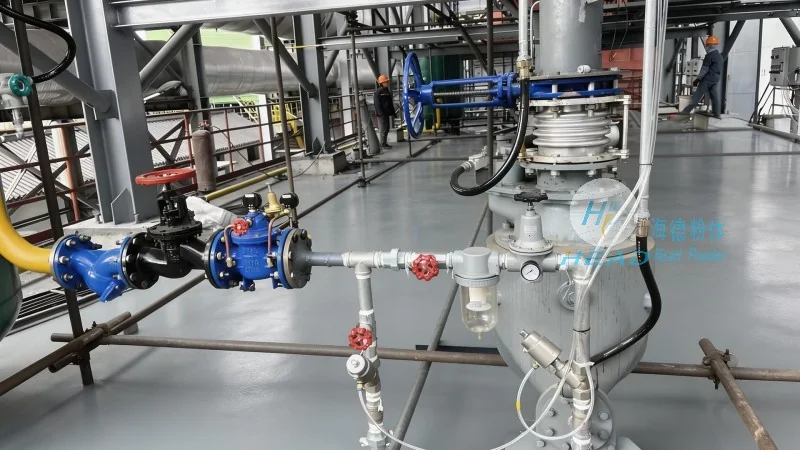
Centralized feeding systems are widely used in various industries, including manufacturing, pharmaceuticals, and food processing. In manufacturing, these systems are commonly employed in the production of automotive parts, electronics, and machinery components. The systems help streamline the supply of raw materials to assembly lines, ensuring that each workstation receives the correct components at the right time. In the pharmaceutical industry, centralized feeding systems are used to handle raw materials and packaging components, maintaining strict quality control standards. The food processing sector utilizes these systems for the handling of ingredients and packaging materials, ensuring hygiene and efficiency. These applications demonstrate the versatility and effectiveness of centralized feeding systems in diverse industrial environments.
Centralized feeding systems represent a significant advancement in material handling technology, offering enhanced efficiency, precision, and flexibility. The operation process and working principle of these systems are designed to optimize production workflows and reduce operational costs. Companies like Shandong HeadPowder Engineering Co., Ltd. play a crucial role in developing and implementing such systems, providing customized solutions tailored to the specific needs of their clients. By investing in centralized feeding systems, businesses can improve their productivity, reduce waste, and maintain a competitive edge in the market. As industrial demands continue to evolve, the importance of efficient material handling systems will only increase, making centralized feeding systems a vital component of modern production operations.

 Shandong Headpowder Engineering Co., Ltd.
 156-6277-7102(Manager Zhang)
  0531-83386006
  Zhangqiu District, Jinan City, Shandong Province, China
telephone
WeChatconsult
top