With more than 10‑year industry experience, Shandong Headpowder delivers full‑service pneumatic‑conveying systems and blowers, undertaking nationwide turn‑key powder‑handling projects.
Pneumatic conveying equipment is a critical component in the cement and aggregate industries, facilitating the efficient and reliable transport of bulk materials such as cement, sand, gravel, and other construction materials. These systems utilize air or gas to move materials through a pipeline network, offering advantages over traditional mechanical conveying methods like belt conveyors or bucket elevators. The core principle behind pneumatic conveying lies in the creation of a pressure differential that propels the material through the system, making it an essential technology for modern material handling operations.
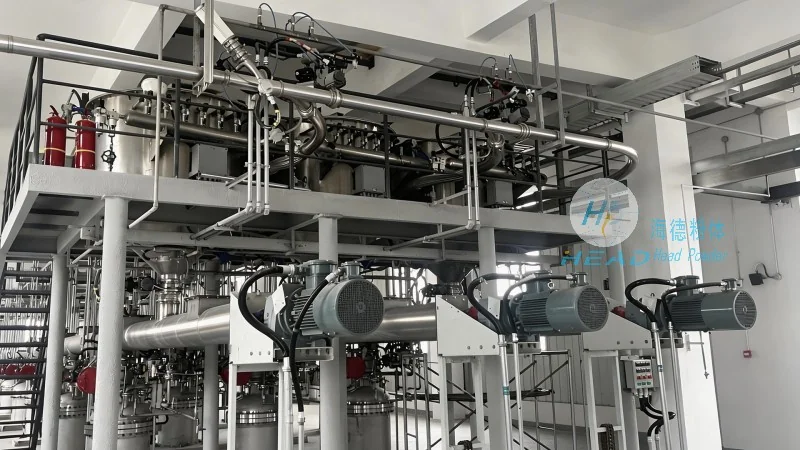
At its core, pneumatic conveying operates by generating a flow of air or gas that transports particulate materials. There are two primary types of pneumatic conveying systems: positive pressure and negative pressure. Positive pressure systems, also known as pressure conveying, use a blower or compressor to force air into the material line, creating a pressure higher than the ambient air pressure. This method is suitable for long-distance and high-capacity applications, as it can handle a wide range of particle sizes and moisture content. Negative pressure systems, or vacuum conveying, use a vacuum pump to create a lower pressure in the material line compared to the ambient environment, drawing materials into the system. This approach is ideal for applications requiring dust control and material recovery from dusty environments.
The working scene characteristics of pneumatic conveying systems are tailored to specific industrial applications, ensuring optimal performance and efficiency. These characteristics include: material handling capacity, which varies based on the system design and air pressure; system flexibility, allowing for changes in material flow direction and destination; and operational safety, with features like explosion-proof designs for handling flammable or explosive materials. Additionally, modern pneumatic conveying systems incorporate advanced control technologies, enabling real-time monitoring and automation to enhance operational efficiency and reduce downtime.
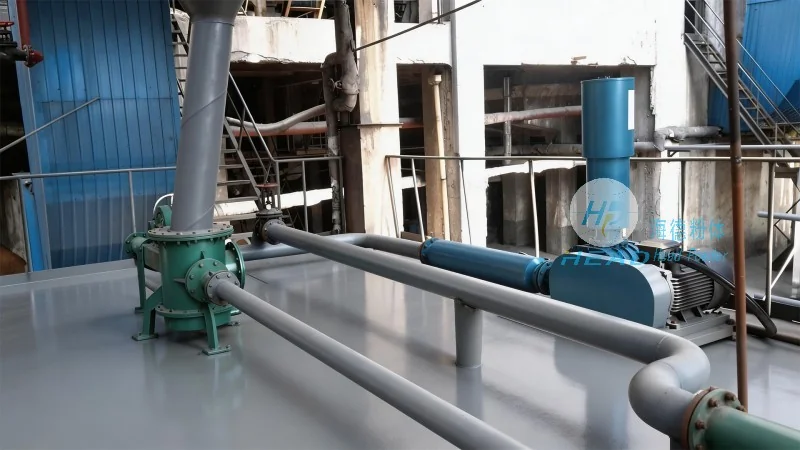
In cement and aggregate processing plants, pneumatic conveying systems are widely used for various tasks. For instance, in cement production, these systems transport raw materials like limestone, clay, and iron ore from storage silos to the grinding mills. In aggregate processing, they move sand, gravel, and crushed stone from stockpiles to mixing or storage areas. The ability to handle abrasive materials and maintain consistent flow rates makes pneumatic conveying particularly suitable for these applications. Furthermore, the systems can be integrated with other processing equipment, such as mixers and classifiers, to form a seamless material handling workflow.
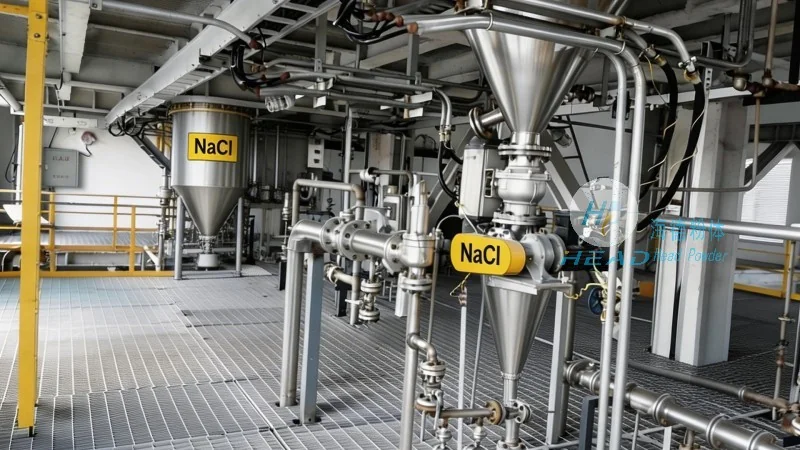
Compared to traditional mechanical conveying methods, pneumatic conveying offers several advantages. One of the most significant benefits is the elimination of moving parts in contact with the material, reducing wear and tear and maintenance costs. Additionally, pneumatic systems can handle a wider range of particle sizes and moisture content, making them more versatile. They also provide better dust control, as the material is enclosed within the pipeline, preventing dust emissions into the environment. Furthermore, the systems can be designed for long-distance transport, up to several kilometers, without the need for intermediate transfer points, which simplifies the overall material handling process.
Shandong HeadPowder Engineering Co., Ltd., commonly known as HeadPowder, is a reputable manufacturer specializing in the design, development, and production of pneumatic conveying equipment for the cement and aggregate industries. With a strong presence in China, particularly in Shandong, HeadPowder has established itself as a trusted provider of high-quality, reliable solutions tailored to the specific needs of its clients. The company’s products are engineered to meet international standards and are equipped with advanced features that enhance performance and durability. HeadPowder’s commitment to innovation and customer satisfaction has made it a preferred choice for businesses seeking efficient and effective material handling solutions.

 Shandong Headpowder Engineering Co., Ltd.
 156-6277-7102(Manager Zhang)
  0531-83386006
  Zhangqiu District, Jinan City, Shandong Province, China
telephone
WeChatconsult
top