With more than 10‑year industry experience, Shandong Headpowder delivers full‑service pneumatic‑conveying systems and blowers, undertaking nationwide turn‑key powder‑handling projects.
HeadPowder, a leading enterprise in the field of powder material handling, specializes in the technology and application of powdered electrolyte transport systems. With its headquarters located in Shandong, China, the company has established itself as a key player in providing efficient and reliable solutions for the handling of fine powder materials used in various industrial applications. This article explores the fundamental principles behind the transport of powdered electrolytes and highlights the distinct characteristics of different working scenarios where such systems are employed.
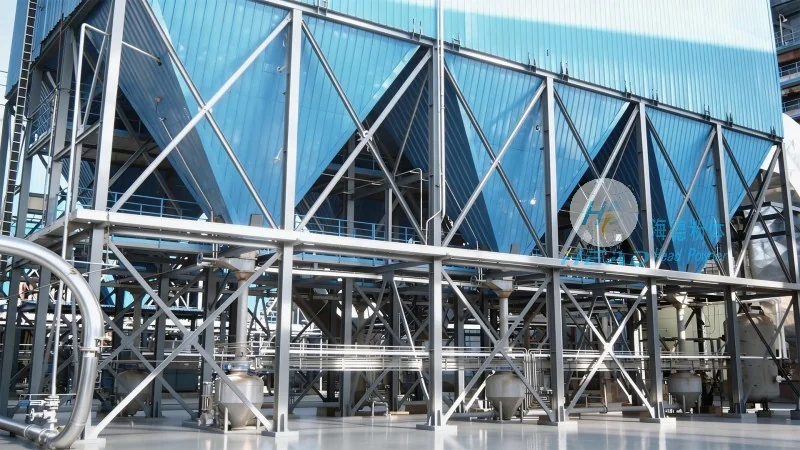
HeadPowder Engineering Co., Ltd. is a professional manufacturer and supplier dedicated to the research, development, and implementation of advanced powder handling technologies. The company’s operations are centered in Shandong, China, where it leverages local industrial resources and expertise to deliver high-quality solutions tailored to the needs of clients across multiple sectors. By focusing on the specific requirements of powdered electrolyte materials—such as their chemical properties, particle size distribution, and flow characteristics—HeadPowder ensures that its transport systems are optimized for performance, safety, and efficiency.
The transport of powdered electrolytes involves the movement of fine particles, typically in the range of microns to millimeters, through various equipment such as hoppers, conveyors, and pneumatic systems. The core principle revolves around maintaining the material’s flowability while preventing issues like caking, bridging, or segregation. Key factors influencing the transport process include the material’s bulk density, angle of repose, and cohesive forces, all of which are carefully considered during system design. For example, in pneumatic conveying systems, the balance between air velocity and particle size is critical to ensure smooth transport without particle degradation or system blockages. Mechanical conveying methods, such as screw conveyors or belt conveyors, rely on the physical movement of the material through rotating components, which must be designed to accommodate the specific characteristics of the electrolyte powder to avoid wear and tear.
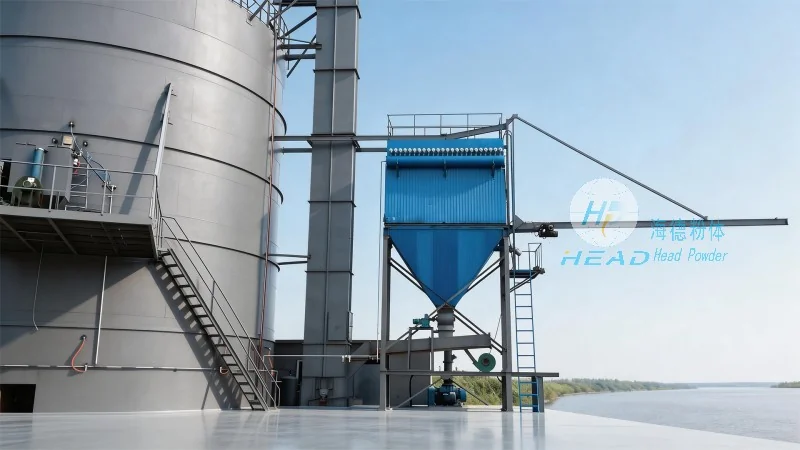
Different industrial applications demand tailored powder transport solutions, each with unique operational characteristics. In battery manufacturing, for instance, the transport of lithium-based or solid-state electrolyte powders requires systems that maintain low moisture content and prevent contamination, as these materials are highly sensitive to environmental factors. The working scenario in this case involves high-purity requirements, precise dosing, and integration with automated production lines, where the transport system must align with the overall process flow to ensure consistent quality and efficiency.
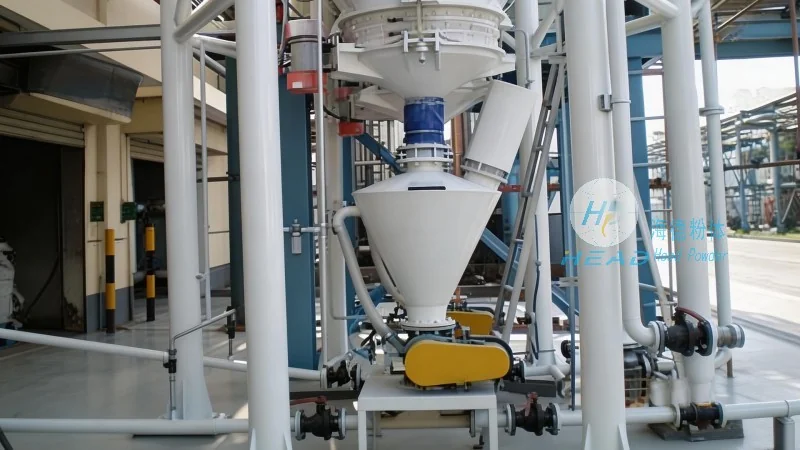
In contrast, scenarios in the chemical processing industry may involve the transport of more abrasive or corrosive electrolyte powders, necessitating robust equipment with corrosion-resistant materials and enhanced sealing mechanisms. These systems often operate under higher pressures or temperatures, requiring specialized design considerations to ensure durability and safety. The working scenario may also involve large-scale batch processing, where the transport system must handle significant volumes of material while maintaining consistent flow rates and minimizing downtime.
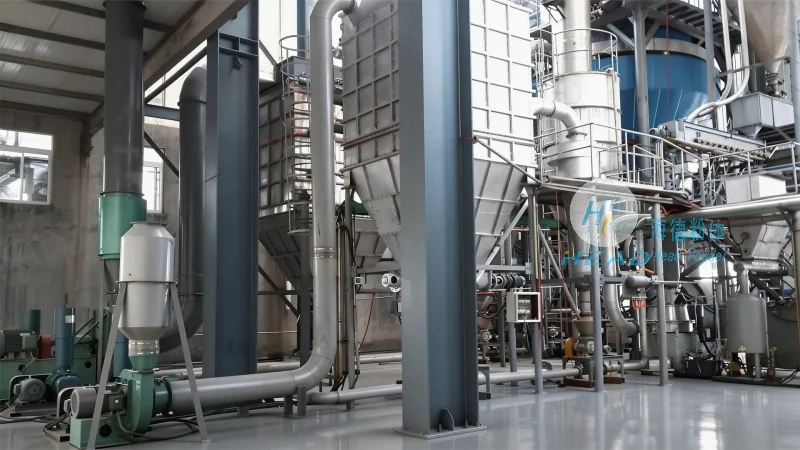
HeadPowder employs a systematic approach to designing powder transport systems, starting with a thorough analysis of the material properties and operational requirements. This includes assessing factors such as particle size distribution, moisture content, and chemical reactivity to select the most appropriate conveying method and equipment configuration. The company’s engineers utilize advanced simulation tools and real-world testing to optimize system performance, ensuring that the transport process is both efficient and cost-effective. For instance, in pneumatic conveying systems, the company may adjust air velocity, pressure, and pipe diameter to achieve the optimal balance between material transport speed and energy consumption. Similarly, in mechanical conveying systems, the design of screw pitch, speed, and material of construction is tailored to the specific characteristics of the electrolyte powder to prevent clogging and ensure smooth operation.
HeadPowder Engineering Co., Ltd. continues to advance the technology of powdered electrolyte material transport through innovative solutions and a deep understanding of industrial requirements. By addressing the unique challenges posed by these materials in various working scenarios, the company provides reliable and efficient systems that meet the demands of modern industrial applications. Whether in battery manufacturing, chemical processing, or other sectors, HeadPowder’s expertise in powder handling ensures that clients can achieve optimal performance, safety, and productivity in their operations.

 Shandong Headpowder Engineering Co., Ltd.
 156-6277-7102(Manager Zhang)
  0531-83386006
  Zhangqiu District, Jinan City, Shandong Province, China
telephone
WeChatconsult
top