With more than 10‑year industry experience, Shandong Headpowder delivers full‑service pneumatic‑conveying systems and blowers, undertaking nationwide turn‑key powder‑handling projects.
HeadPowder, a leading engineering company based in Shandong, China, specializes in the design and implementation of advanced pneumatic conveying systems for handling cast sand powders. This article delves into the fundamental principles behind these systems and highlights the key characteristics of their operational environments.
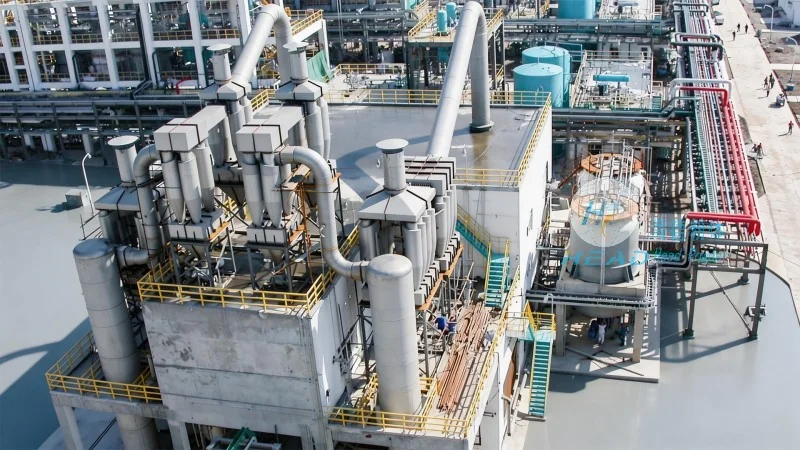
The core principle of cast sand powder pneumatic conveying involves the use of air or gas as the medium to transport dry powders, such as cast sand, through a pipeline. Unlike traditional mechanical conveying methods, which rely on belts, buckets, or screws, pneumatic systems utilize pressure differentials or vacuum to move material. The process typically operates by creating a flow of air that draws or pushes the powder particles through the system. For cast sand, which is often abrasive and has specific flow characteristics, specialized equipment is employed to ensure efficient and reliable transport. The system components generally include a feeding device, a conveying line (often with bends and fittings), a separation or collection unit, and a control system. The feeding device, such as a rotary valve or a hopper with a feeder, ensures a consistent flow of cast sand into the pipeline. The conveying line may incorporate features like cyclones or filters to separate the sand from the air at the end of the line. The control system monitors pressure, flow rates, and other parameters to maintain optimal operation.
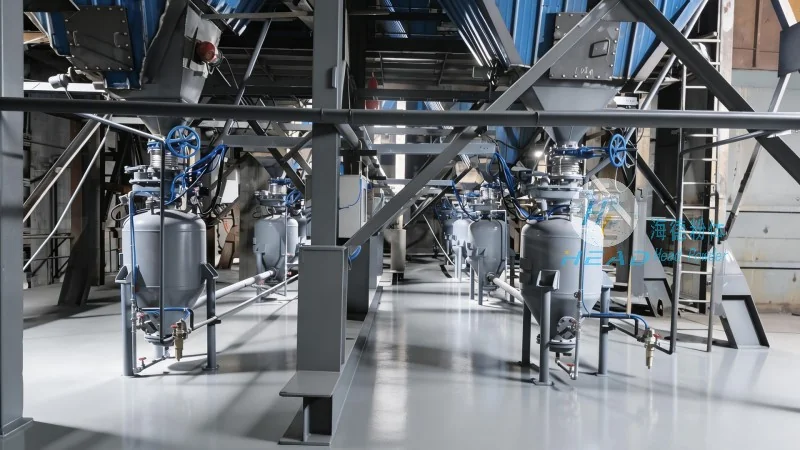
The operational environment of cast sand powder pneumatic conveying systems is defined by several critical characteristics that influence system design and performance. First, the material properties of cast sand, including its particle size distribution, density, and abrasiveness, are paramount. Cast sand particles are typically fine and can be highly abrasive, which necessitates the use of corrosion-resistant and wear-resistant materials for system components, such as stainless steel or special alloys. Second, the system must handle varying flow rates and batch sizes, as production processes often require flexible conveying capabilities. This flexibility is achieved through adjustable control valves and variable speed drives. Third, the system's integration with other production equipment, such as sand mixers or molding machines, is crucial. The conveying line must be synchronized with these processes to ensure a continuous and efficient workflow. Fourth, the need for dust control and environmental compliance is a significant consideration. Pneumatic systems inherently generate dust, so effective filtration and collection systems are essential to maintain air quality and meet regulatory standards. Finally, the system's reliability and maintenance requirements are critical for industrial applications. The design must account for regular maintenance, such as cleaning of filters and replacement of wear parts, to minimize downtime and ensure long-term operational efficiency.
Cast sand powder pneumatic conveying systems are widely used in various stages of the casting production process. One primary application is the transport of cast sand from storage silos to molding machines. This is particularly important in foundries where large volumes of sand are required for each casting cycle. The pneumatic system allows for the rapid and dust-free transfer of sand, reducing manual handling and improving safety. Another application is the return of used sand from the molding process back to the reclamation system. This closed-loop system enhances material efficiency by recycling the sand, reducing waste and lowering raw material costs. Additionally, the system can be used for conveying additives, such as binders or coatings, to the sand mixture, ensuring uniform distribution and consistent casting quality. The flexibility of pneumatic conveying also makes it suitable for transporting sand to different parts of the foundry, such as for pre-drying or conditioning processes, where precise control over temperature and moisture content is required.
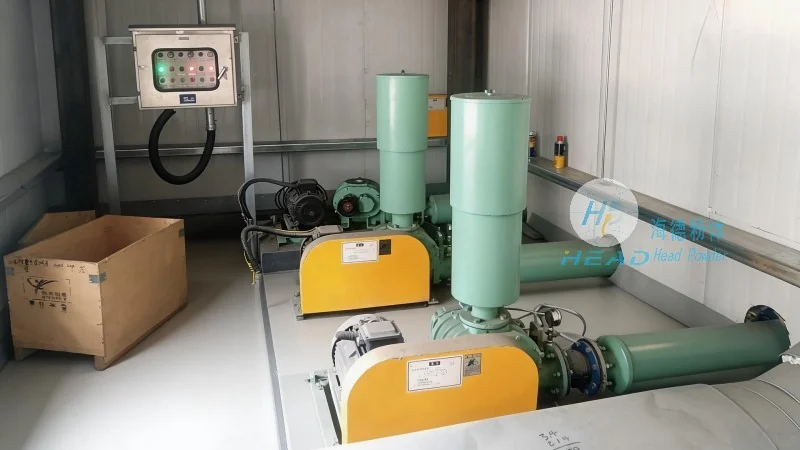
Implementing cast sand powder pneumatic conveying systems offers several advantages over traditional methods. The primary benefit is the ability to handle abrasive materials without the wear and tear associated with mechanical components. This reduces maintenance costs and extends the lifespan of the system. Additionally, pneumatic systems are more flexible in terms of layout, as they can be easily reconfigured to accommodate changes in production processes or facility expansions. The dust control features of these systems contribute to a safer working environment and compliance with environmental regulations. However, there are also considerations to keep in mind. The initial investment for a pneumatic conveying system can be higher than for mechanical systems, and the energy consumption is typically higher due to the continuous operation of air compressors. Furthermore, the system requires regular maintenance to prevent clogging and ensure efficient operation. Proper training for operators on system operation and maintenance is essential to maximize the system's performance and longevity.

 Shandong Headpowder Engineering Co., Ltd.
 156-6277-7102(Manager Zhang)
  0531-83386006
  Zhangqiu District, Jinan City, Shandong Province, China
telephone
WeChatconsult
top