With more than 10‑year industry experience, Shandong Headpowder delivers full‑service pneumatic‑conveying systems and blowers, undertaking nationwide turn‑key powder‑handling projects.
Understanding the working principle and features of mica powder pneumatic conveying systems is crucial for industries dealing with fine mineral powders. This article provides a detailed overview of the technology, focusing on how such systems operate and the key advantages they offer.
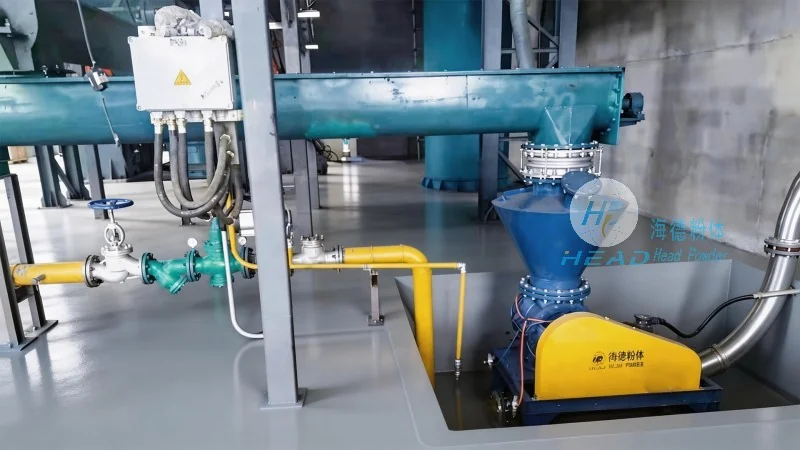
The core of a mica powder pneumatic conveying system lies in the transport of fine particles using a gas stream, typically air or other gases. The system operates by creating a pressure differential or suction to move the mica powder through a pipeline. There are two main types of pneumatic conveying: pressure and suction systems. In pressure systems, a positive pressure is generated at the inlet to push the material forward, while suction systems use a vacuum at the discharge end to draw the material.
For mica powder, which is often characterized by its fine particle size and potential for agglomeration, specialized equipment is employed to ensure efficient transport. The process typically begins with the mica powder being fed into a hopper or feeder. From there, it is introduced into a conveying line where a high-velocity air stream propels the particles. The design of the system, including the size and shape of the conveying tubes, the velocity of the air, and the pressure or vacuum levels, is critical to prevent particle degradation and ensure consistent flow.
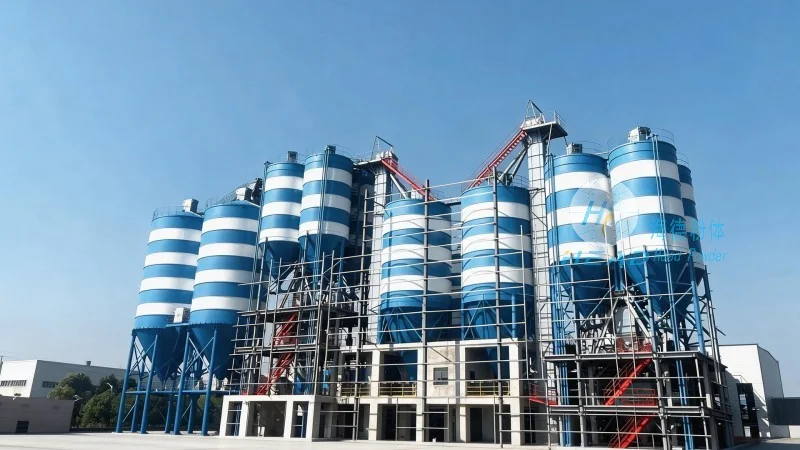
Mica powder pneumatic conveying systems are engineered with several distinct features that make them suitable for handling delicate and fine materials like mica. One of the primary features is their ability to handle high-particle concentrations, which minimizes the number of conveying cycles and reduces system downtime. This is particularly important for mica powder, as it can be prone to clogging if not handled correctly.
Another notable feature is the system's efficiency in terms of energy consumption and material handling. By using a single pipeline to transport both the material and the air, the system reduces the need for multiple handling steps and associated equipment, leading to cost savings and operational simplicity. Additionally, these systems are designed to minimize material loss and contamination, which is essential for maintaining the quality of mica powder, a material often used in high-value applications.
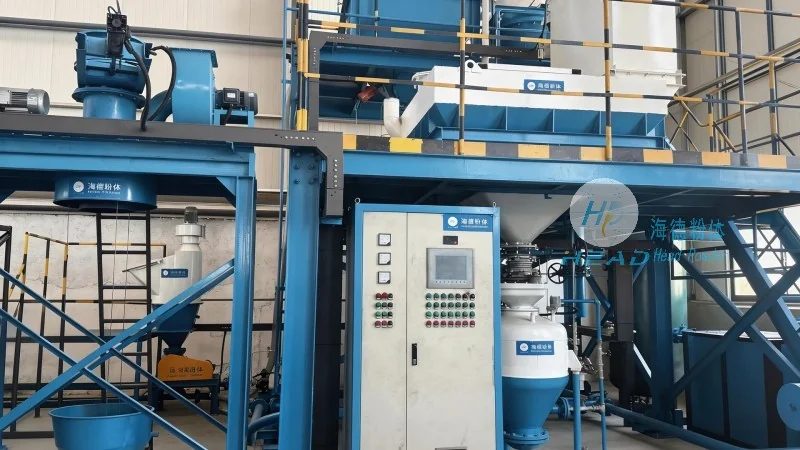
Environmental considerations are also a key feature of modern mica powder pneumatic conveying systems. Many designs incorporate dust collection and filtration systems to control airborne particles and comply with environmental regulations. This not only protects the environment but also enhances workplace safety by reducing exposure to fine mica particles.
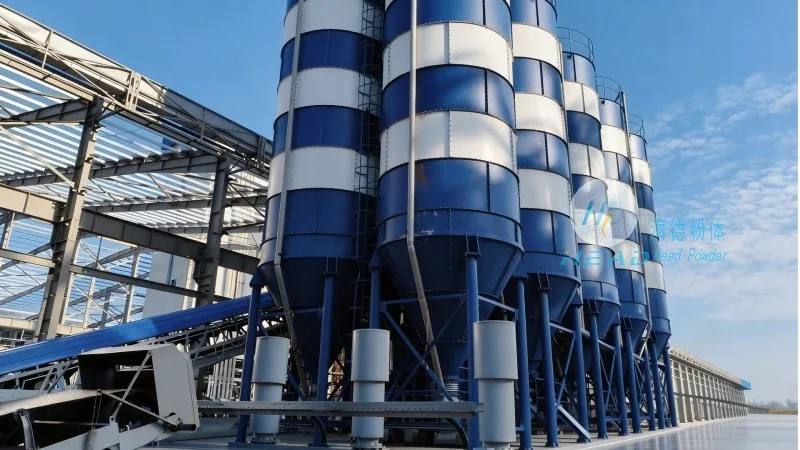
The design of mica powder pneumatic conveying systems is tailored to the specific properties of mica powder, including its particle size distribution, density, and tendency to agglomerate. For example, systems may include pre-treatment steps such as wetting or drying to improve flowability. The use of flexible or adjustable components allows for adaptation to varying mica powder characteristics, ensuring consistent performance across different batches or production stages.
Mica powder pneumatic conveying systems represent a sophisticated solution for the efficient and reliable transport of fine mineral powders. By understanding the working principles and leveraging the key features of these systems, industries can enhance their operational efficiency, maintain product quality, and ensure compliance with environmental standards. As a leading provider in this field, Shandong HeadPowder Engineering Co., Ltd. specializes in designing and manufacturing customized pneumatic conveying solutions that meet the unique needs of mica powder handling applications.

 Shandong Headpowder Engineering Co., Ltd.
 156-6277-7102(Manager Zhang)
  0531-83386006
  Zhangqiu District, Jinan City, Shandong Province, China
telephone
WeChatconsult
top