With more than 10‑year industry experience, Shandong Headpowder delivers full‑service pneumatic‑conveying systems and blowers, undertaking nationwide turn‑key powder‑handling projects.
Clay ash, a byproduct of industrial processes, often requires efficient handling and transportation. The pneumatic conveying equipment designed for clay ash powder offers a reliable solution, integrating advanced engineering principles to ensure safe and effective material transport. This article explores the fundamental principles behind such equipment and highlights key working scene characteristics that define its operational effectiveness.
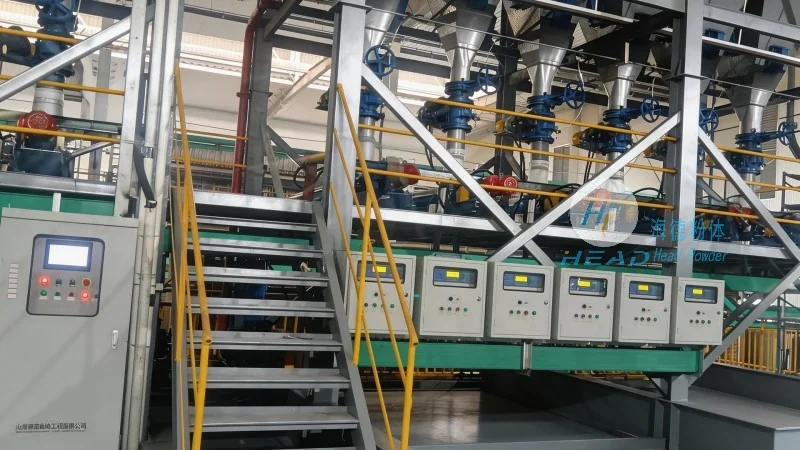
Clay ash, typically generated from thermal power plants or industrial kilns, is a fine particulate material that poses unique challenges in handling due to its dustiness and potential for air pollution. Traditional methods like belt conveyors or bucket elevators may struggle with the fine particles, leading to material loss, equipment wear, and operational inefficiencies. Pneumatic conveying systems address these challenges by utilizing air as the primary transport medium, enabling the clay ash to be moved through pipelines without direct contact with mechanical components.
The fundamental principle of pneumatic conveying for clay ash powder involves the creation of a controlled airflow that lifts and transports the material through a network of pipes. This process relies on the balance between air velocity and particle size, ensuring that the clay ash particles are entrained and moved efficiently. Two primary types of pneumatic conveying systems are commonly used: dilute-phase and dense-phase. Dilute-phase systems operate at higher air velocities, suitable for long-distance transport and low to medium particle concentrations, while dense-phase systems use lower velocities and higher pressure to transport larger quantities of material with minimal segregation.
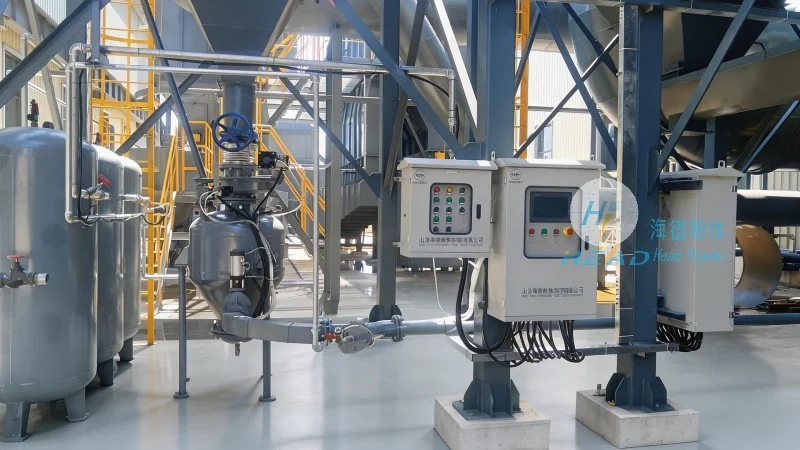
The pneumatic conveying equipment for clay ash powder consists of several critical components, each playing a vital role in the overall system. The primary components include the material feeder, which ensures a consistent and controlled feed of clay ash into the system; the air compressor or blower, which generates the necessary airflow; the conveying pipelines, which transport the material; and the discharge unit, which delivers the clay ash to the destination. Additionally, components such as cyclone separators, filters, and pressure regulators are integrated to maintain system efficiency and safety. The material feeder, often a rotary valve or screw feeder, prevents material buildup and ensures a steady flow into the pipeline. The air compressor provides the pressure and volume required to move the clay ash, with the choice of compressor type (e.g., positive displacement or centrifugal) depending on the system's requirements. The conveying pipelines are typically made of stainless steel or other corrosion-resistant materials to withstand the abrasive nature of clay ash particles and prevent contamination. The discharge unit, such as a rotary valve or slide gate, controls the release of the material at the end of the pipeline, ensuring precise and controlled delivery.
The working scene characteristics of clay ash powder pneumatic conveying equipment are tailored to specific industrial environments, offering several operational advantages over traditional methods. One key characteristic is the ability to handle fine and abrasive materials without significant wear on equipment components. This is particularly important for clay ash, which can be harsh on mechanical parts like belts or buckets. The pneumatic system minimizes direct contact between the material and the equipment, reducing maintenance costs and extending the lifespan of the machinery. Another advantage is the flexibility in system design, allowing for customized layouts to accommodate varying distances, heights, and material flow rates. This adaptability makes the equipment suitable for diverse industrial applications, from small-scale processing facilities to large-scale power plants.
The pneumatic conveying equipment for clay ash powder is widely used in various industrial sectors, including power generation, cement production, and waste management. In power plants, the equipment is used to transport clay ash from the boiler to storage silos or disposal sites, ensuring efficient removal of byproducts and compliance with environmental regulations. In cement plants, clay ash is often used as a supplementary cementitious material, and the pneumatic system facilitates its transport from storage to the mixing process, improving production efficiency. Additionally, in waste management facilities, the equipment helps in the handling of clay ash generated from incineration processes, contributing to the safe and sustainable disposal of industrial waste. The working scene characteristics, such as the ability to handle large volumes of material and operate in dusty environments, make this equipment a preferred choice in these applications.
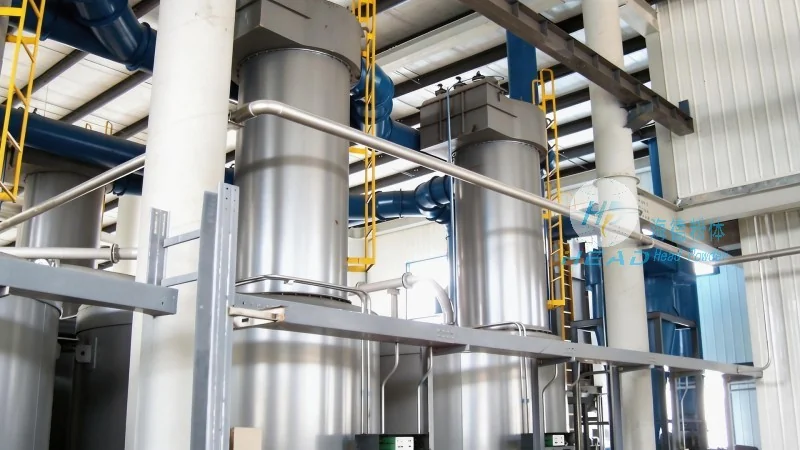
Operational efficiency is a critical aspect of clay ash powder pneumatic conveying equipment, with the system designed to minimize energy consumption and maximize material throughput. The use of advanced control systems allows for precise regulation of airflow and pressure, ensuring optimal performance under varying conditions. This efficiency translates into cost savings for industrial operations, as lower energy usage and reduced maintenance requirements contribute to overall operational expenses. Environmental considerations are also a key factor, as the equipment is designed to minimize dust emissions and prevent air pollution. The integration of dust collection systems and filtration units ensures that the material is handled in a controlled manner, adhering to environmental regulations and promoting a safe working environment. The ability to handle clay ash without generating excessive dust also reduces the risk of respiratory issues for workers and minimizes the impact on the surrounding environment.
Clay ash powder pneumatic conveying equipment represents a sophisticated solution for the efficient and safe handling of fine industrial materials. By leveraging pneumatic conveying principles, this equipment addresses the challenges associated with clay ash transport, offering operational advantages in terms of efficiency, durability, and environmental compliance. The working scene characteristics, tailored to specific industrial needs, make it a versatile and reliable choice for various applications. As a leading provider in this field, Shandong HeadPowder Engineering Co., Ltd. specializes in designing and manufacturing high-quality pneumatic conveying systems tailored to the unique requirements of clay ash handling. With a focus on innovation and customer satisfaction, the company ensures that its equipment meets the highest standards of performance and safety, supporting industrial operations in China and beyond.

 Shandong Headpowder Engineering Co., Ltd.
 156-6277-7102(Manager Zhang)
  0531-83386006
  Zhangqiu District, Jinan City, Shandong Province, China
telephone
WeChatconsult
top