With more than 10‑year industry experience, Shandong Headpowder delivers full‑service pneumatic‑conveying systems and blowers, undertaking nationwide turn‑key powder‑handling projects.
Methylcellulose, a non-ionic cellulose ether widely used as a thickening, binding, and stabilizing agent in industries like pharmaceuticals, food, and construction, requires specialized handling systems to ensure efficient transport. Understanding the operational dynamics of these systems is vital for optimizing industrial processes and maintaining product integrity. The following content outlines the key aspects of methylcellulose material handling, including the company behind these solutions, HeadPowder, and the technical principles that govern the process.
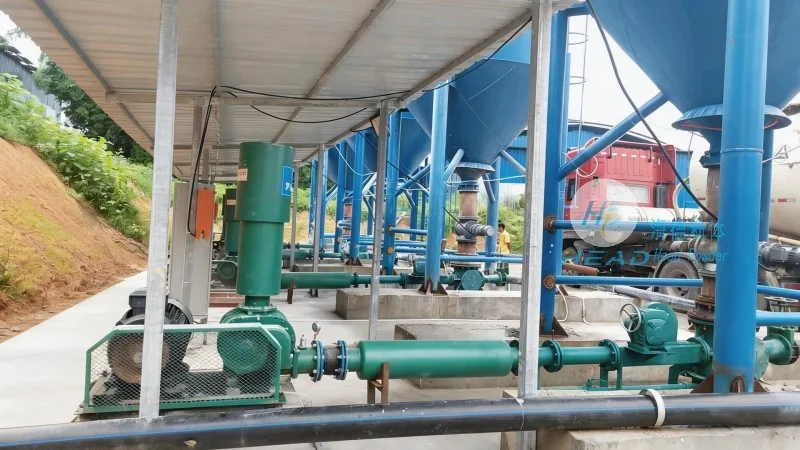
HeadPowder, operating as Shandong HeadPowder Engineering Co., Ltd., is a leading provider of engineering solutions for material handling challenges. Based in Shandong, China, the company specializes in designing and implementing systems tailored to the unique properties of materials like methylcellulose. With a focus on integrating advanced technologies with practical industrial needs, HeadPowder delivers systems that enhance productivity, ensure safe handling, and maintain the quality of the final product. The company’s expertise lies in addressing common issues such as caking, bridging, and agglomeration, which can impede material flow and affect processing efficiency.
Effective methylcellulose material handling systems are characterized by several critical features. These systems are engineered to handle powders or granules with varying flowabilities, influenced by moisture, temperature, and particle size. Equipment typically includes feeders, conveyors, and storage silos equipped with specialized components to prevent material issues. Temperature control mechanisms are often integrated to maintain optimal processing conditions, as temperature variations can alter the viscosity and handling characteristics of methylcellulose. The systems are designed to minimize dust generation and contamination, which is crucial for applications requiring high purity, such as in pharmaceuticals or food products.
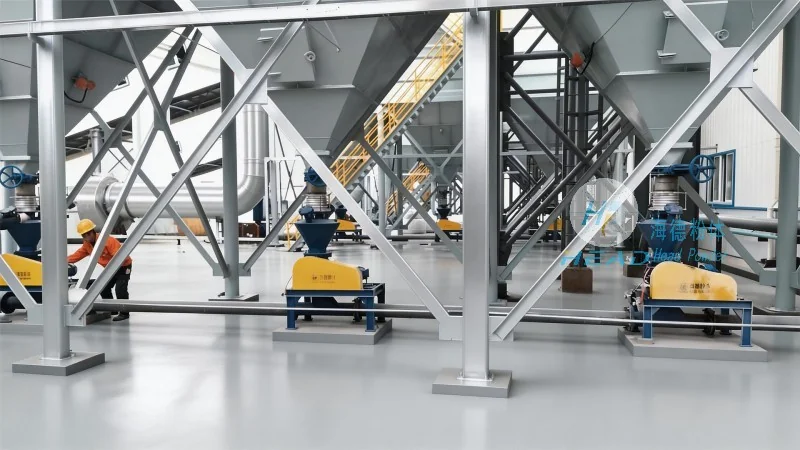
The operational process begins with the intake of raw methylcellulose into the system, usually through a hopper or bulk container. The first step involves a feeder, such as a rotary valve or vibratory feeder, which regulates the flow rate into the conveyor system. This feeder ensures consistent and controlled material feed, preventing overloading or underfeeding that could disrupt downstream processes. The material is then transported via a conveyor—options include belt, screw, or pneumatic conveyors—depending on the application and material properties. Screw conveyors are ideal for vertical or inclined transport, while belt conveyors suit horizontal or slightly inclined paths. The choice depends on factors like bulk density, flowability, and the need for gentle handling to avoid degradation. The conveyor transports the material to processing or packaging areas, where further steps may include mixing, classification, or packaging.
The working principle combines mechanical components with control systems for precise operation. Mechanical parts include feeders, conveyors, and auxiliary equipment. Control systems, often integrated with sensors and PLCs, monitor parameters like flow rate, pressure, and temperature. Sensors (e.g., level, flow meters) provide real-time data on material levels or conveyor speed. The PLC processes this data and adjusts feeder or conveyor speed as needed—for example, increasing feeder speed if the hopper level drops or activating cooling if temperature rises. This real-time adjustment maintains optimal conditions, preventing bottlenecks or equipment failures. Predictive analytics and maintenance schedules further enhance efficiency by identifying potential issues before they cause downtime.
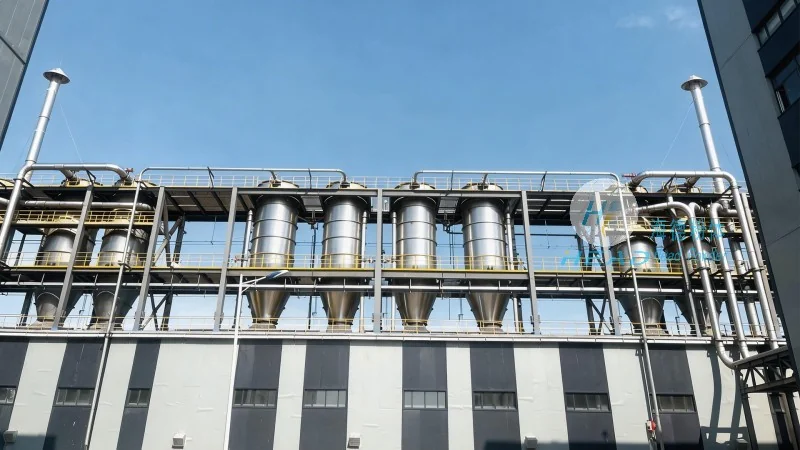
Product integrity and operational efficiency are prioritized through several strategies. Gentle handling equipment minimizes particle breakage or degradation, preserving methylcellulose properties. Control systems optimize energy use and reduce downtime by monitoring system performance. The integration of maintenance and predictive tools ensures systems operate at peak performance, extending equipment life and reducing operational costs. These measures collectively ensure that methylcellulose is handled safely, efficiently, and with minimal risk of contamination or quality loss.
In summary, the operating process and working principle of methylcellulose material handling systems involve a sophisticated interplay of mechanical design and control technology. These systems are essential for industries relying on methylcellulose, as they ensure consistent, high-quality transport. HeadPowder, with its expertise and solutions, plays a pivotal role in delivering these systems. By focusing on material-specific challenges and leveraging advanced engineering, HeadPowder helps clients optimize their processes, enhance productivity, and achieve their operational goals. The company’s commitment to quality and innovation positions it as a trusted partner in the material handling sector, supporting industries where methylcellulose is a critical component.

 Shandong Headpowder Engineering Co., Ltd.
 156-6277-7102(Manager Zhang)
  0531-83386006
  Zhangqiu District, Jinan City, Shandong Province, China
telephone
WeChatconsult
top