With more than 10‑year industry experience, Shandong Headpowder delivers full‑service pneumatic‑conveying systems and blowers, undertaking nationwide turn‑key powder‑handling projects.
Organic salt material pneumatic conveying systems are critical equipment in industrial processing, especially for efficiently and safely handling bulk organic salt materials. This article provides an in-depth look at the working principle and key features of such systems, highlighting how they enhance operational efficiency and product integrity across various industrial applications.
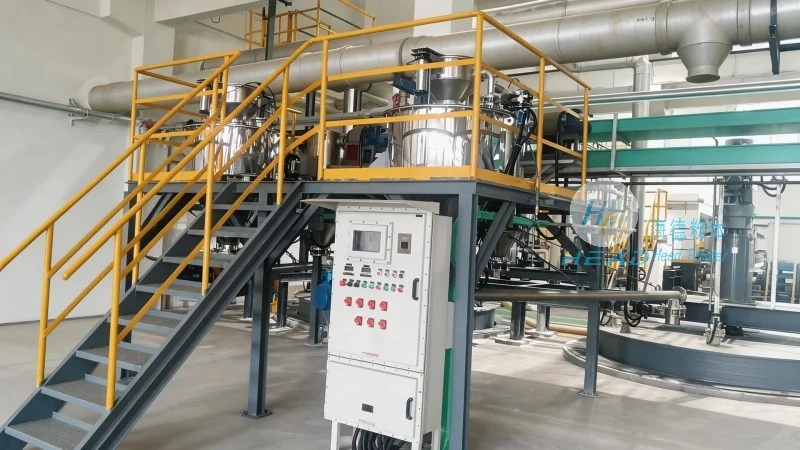
Organic salt, commonly used in chemical, food, and pharmaceutical industries, requires specialized handling due to its physical properties like moisture content, particle size, and hygroscopic nature. Pneumatic conveying systems offer a solution by transporting materials through an air stream, eliminating mechanical components that might cause contamination or damage. The system typically includes a hopper, conveying line, dust collector, and control system, all working together to ensure smooth material transfer.
The core working principle involves using compressed air to create a flow that propels organic salt particles through the conveying line. The process starts with material fed from a hopper into a venturi or pressure vessel, where it mixes with the air stream. As air moves at high velocity, it entrains particles, forming a slurry-like mixture traveling through the pipeline. The system operates in pressure or vacuum modes, depending on application needs. Pressure systems use a blower/compressor, while vacuum systems employ a vacuum pump to draw material from the source. Maintaining an optimal air-to-material ratio is key to efficient transport without excessive energy use or material degradation.
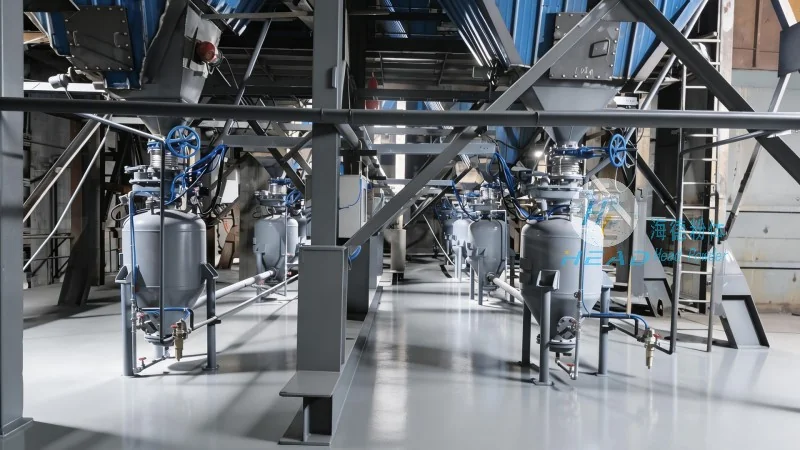
Several critical features distinguish high-quality systems for handling organic salt. Firstly, the design addresses hygroscopic materials, preventing moisture absorption and preserving product quality. Advanced filtration and drying mechanisms control humidity, ensuring the organic salt remains in its desired state. Secondly, the conveying line is constructed from corrosion-resistant materials like stainless steel or specialized coatings, essential for organic salt applications involving acidic or alkaline conditions. Thirdly, precise control mechanisms—flow meters and pressure sensors—regulate air and material flow, optimizing performance and preventing overloading or blockages. Additionally, safety features such as explosion-proof components and emergency shut-off valves mitigate risks from potentially flammable or reactive organic salts.
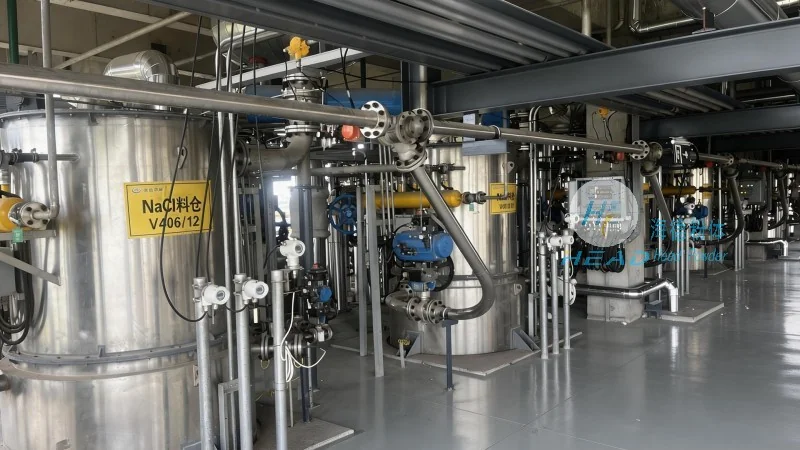
Implementing these systems offers numerous advantages for industrial operations. Primary benefits include reduced labor costs and manual handling, automating material transfer and enhancing workplace safety by minimizing dust exposure and hazards. Another key advantage is product quality preservation, as the enclosed system prevents contamination and reduces degradation from air or moisture exposure. Flexibility allows easy integration into existing production lines, enabling seamless material flow between processing stages. The system also provides consistent, reliable performance with minimal downtime due to robust design and advanced controls.
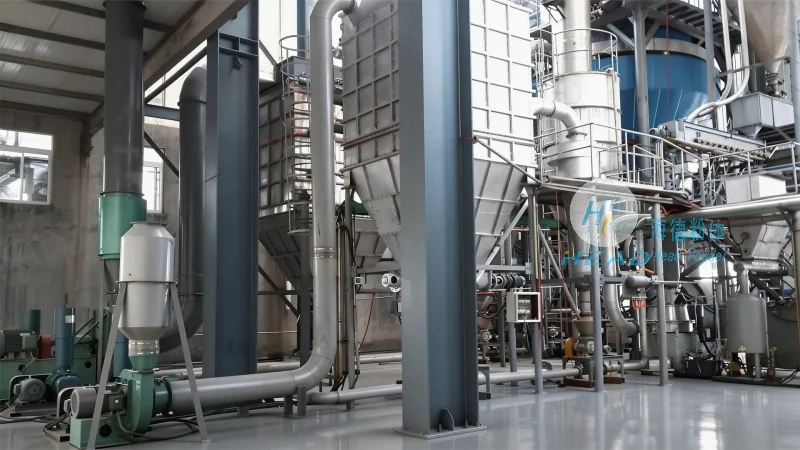
Organic salt pneumatic conveying systems are widely used across chemical manufacturing, food processing, and pharmaceutical production. In the chemical industry, they transport organic salts used in fertilizer, detergent, and other chemical product production. The food industry uses them for salt in food preservation and processing, ensuring hygiene compliance. The pharmaceutical sector benefits from handling sensitive organic salts in drug formulations, maintaining strict quality control. Each application leverages the system's ability to handle hygroscopic and potentially reactive materials, ensuring final products meet regulatory standards.
Organic salt pneumatic conveying systems represent a sophisticated solution for efficient and safe material handling in industrial settings. By understanding the working principle and key features, industries can optimize operations, enhance product quality, and improve efficiency. As a leading provider, Shandong HeadPowder Engineering Co., Ltd. specializes in designing and manufacturing high-performance pneumatic conveying systems tailored to organic salt applications. With a commitment to quality and innovation, the company ensures systems meet rigorous industrial demands, providing reliable and sustainable material transport solutions. Based in Shandong, China, HeadPowder advances pneumatic conveying technology, supporting global industries in achieving operational goals with precision and efficiency.

 Shandong Headpowder Engineering Co., Ltd.
 156-6277-7102(Manager Zhang)
  0531-83386006
  Zhangqiu District, Jinan City, Shandong Province, China
telephone
WeChatconsult
top