With more than 10‑year industry experience, Shandong Headpowder delivers full‑service pneumatic‑conveying systems and blowers, undertaking nationwide turn‑key powder‑handling projects.
Shandong HeadPowder Engineering Co., Ltd., commonly known as headpowder, is a professional manufacturer and supplier based in Shandong, China. The company specializes in the design, development, and production of advanced powder conveying systems, particularly for materials like zircon sand. With a strong focus on engineering excellence and customer satisfaction, headpowder has established itself as a reliable partner in the powder handling industry.
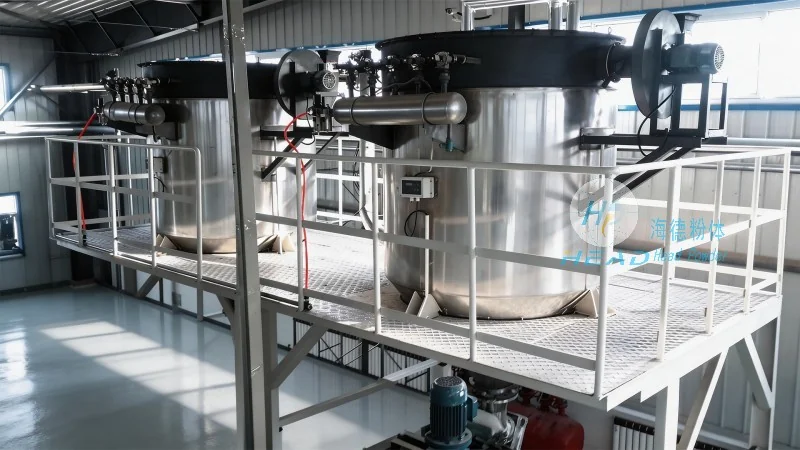
The zircon sand powder conveying system equipment is a sophisticated piece of machinery engineered to efficiently transport zircon sand powder from one location to another within industrial settings. This system is crucial for applications in mining, ceramics, and other industries where zircon sand is a key raw material. The equipment is designed to handle the unique properties of zircon sand, such as its fine particle size and abrasive nature, ensuring reliable and consistent performance.
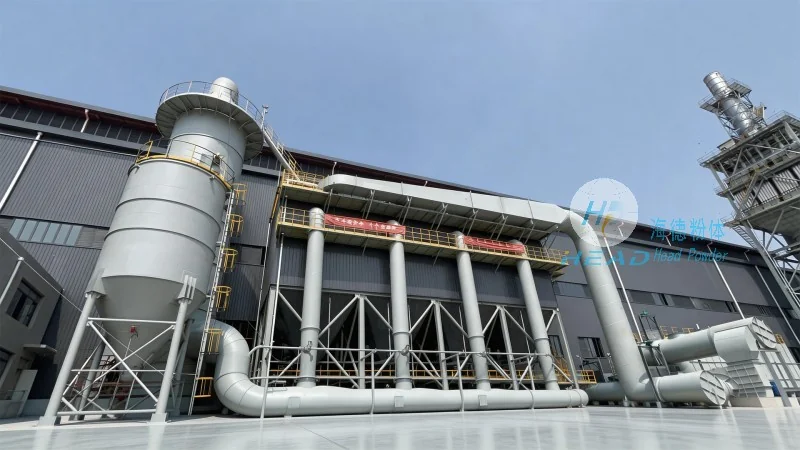
The zircon sand powder conveying system operates on the principle of pneumatic conveying, which involves the use of compressed air to move the powder through a network of pipes. The process starts with the zircon sand being loaded into a hopper or silo. The hopper is equipped with a rotary valve or feeder that controls the flow of the powder into the conveying line. The feeder ensures a consistent and controlled discharge of the powder, preventing overloading or underloading of the system. The conveying line is typically made of high-quality stainless steel or other corrosion-resistant materials to withstand the abrasive nature of zircon sand. Inside the line, the powder is carried by the air stream, which is generated by a blower or fan. The air pressure is maintained at an appropriate level to ensure the powder is fully suspended and transported efficiently. The system may include additional components such as airlocks, which are used to separate the powder from the air at the discharge end, preventing dust contamination and ensuring a clean transfer of the material. The airlocks are designed to handle the high pressure and abrasive properties of zircon sand, ensuring reliable operation. The system also includes filtration and dust collection equipment, such as cyclones or bag filters, to capture any fine particles and maintain air quality. This not only protects the environment but also prevents the powder from escaping into the workplace, reducing health risks for operators.
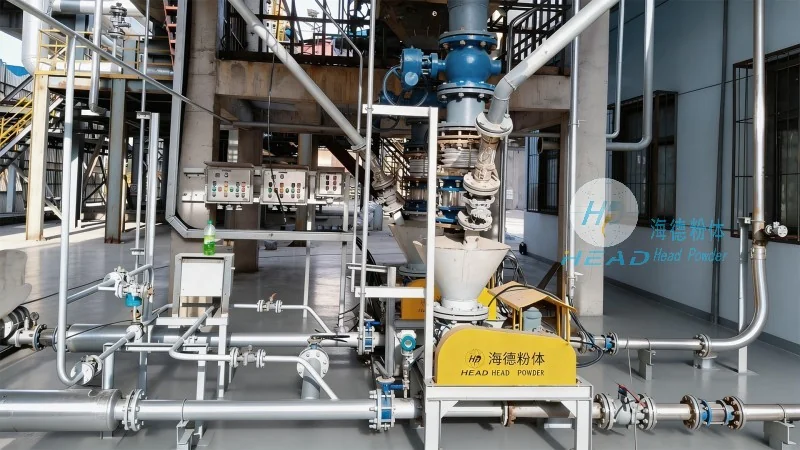
The zircon sand powder conveying system boasts several key features that make it an ideal choice for industrial applications. Firstly, its robust construction and use of high-quality materials ensure exceptional durability and resistance to wear and tear. The system is engineered to handle the abrasive nature of zircon sand, which can cause significant wear on conventional equipment. By using specialized alloys and coatings, the system's components, such as the hopper, pipes, and valves, have a longer service life, reducing maintenance costs and downtime. Secondly, the system offers precise control over the conveying rate, allowing for adjustments based on production needs. This flexibility is crucial in industries where the demand for zircon sand varies, as it enables the system to adapt quickly to changing conditions. The control system may include variable frequency drives (VFDs) or other automation technologies that allow for real-time monitoring and adjustment of the flow rate. Thirdly, the system incorporates advanced safety features to protect operators and the environment. These include pressure relief valves, emergency shut-off switches, and interlocks that prevent the system from operating under unsafe conditions. The system also complies with environmental regulations by incorporating dust collection and filtration systems, which capture and neutralize any airborne particles. This not only reduces the risk of respiratory issues for workers but also ensures compliance with local and national environmental standards. Fourthly, the system is designed for easy maintenance and cleaning. The modular design allows for quick access to components, such as the hopper, pipes, and airlocks, enabling maintenance personnel to perform routine checks and cleaning without disrupting the entire operation. The system may also include self-cleaning mechanisms or automated cleaning cycles to minimize the need for manual intervention. Finally, the system is equipped with monitoring and diagnostic tools that provide real-time data on the system's performance. These tools can detect anomalies, such as pressure drops or increased vibration, and alert operators to potential issues before they become major problems. This proactive approach to maintenance helps to prevent breakdowns and ensures the system operates at optimal efficiency.

 Shandong Headpowder Engineering Co., Ltd.
 156-6277-7102(Manager Zhang)
  0531-83386006
  Zhangqiu District, Jinan City, Shandong Province, China
telephone
WeChatconsult
top