

What is the pneumatic conveying of white clay powder? What are the design principles?
White clay powder, a crucial material in various industrial applications, often requires efficient and reliable transport methods. Pneumatic conveying stands out as a preferred solution for handling such powders due to its ability to move materials through a system using air or gas as the conveying medium. This method eliminates the need for mechanical components like belts or buckets, offering advantages such as reduced maintenance, improved safety, and the capacity to handle fine powders without degradation. For industries dealing with white clay powder, understanding the principles and design considerations of pneumatic conveying is essential for optimizing material handling processes.
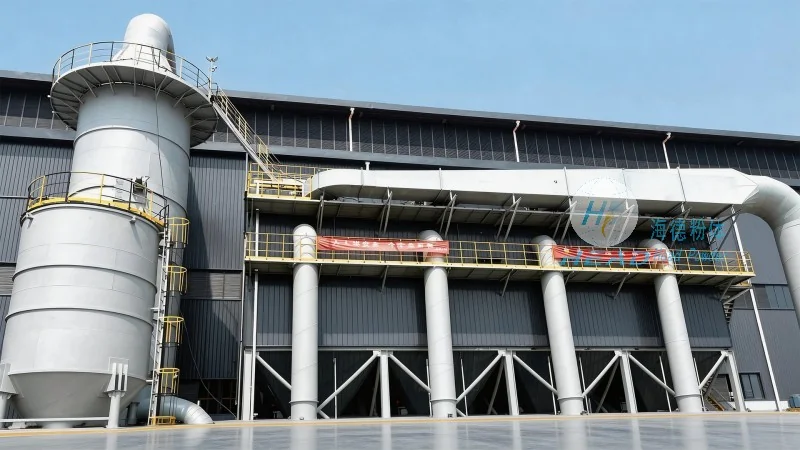
Understanding Pneumatic Conveying Systems
Pneumatic conveying systems operate by transporting particulate materials, including white clay powder, through a pipeline using pressurized air or vacuum. The core components of such a system typically include a hopper for material storage, a feeder to control the flow rate, a conveying line, and a receiver or collection point. The choice between positive pressure (air blowing material forward) and negative pressure (air pulling material) depends on factors like the material's properties, distance to be conveyed, and system layout. White clay powder, being a fine powder, often benefits from positive pressure systems as they can handle high volumes and maintain material integrity during transport.
Design Principles for White Clay Powder Conveying
The design of a pneumatic conveying system for white clay powder involves several critical principles aimed at ensuring efficiency, reliability, and material quality. First, the system must be designed to handle the specific properties of white clay powder, such as its particle size distribution, moisture content, and flowability. These properties directly impact the selection of equipment, including the type of feeder (e.g., rotary valve, screw feeder) and the conveying velocity. Proper velocity is crucial to prevent material deposition or blockages in the pipeline, which can lead to system inefficiencies or equipment damage. Additionally, the system design must consider the pressure drop across the pipeline, as excessive pressure drop can reduce conveying capacity or increase energy consumption.
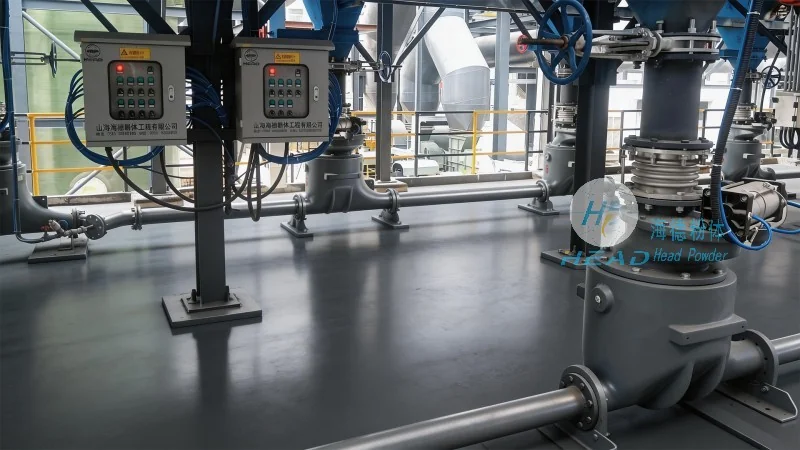
Key Components and Their Roles
Several key components are integral to the successful operation of a pneumatic conveying system for white clay powder. The hopper serves as the storage vessel, ensuring a consistent supply of material to the feeder. The feeder, often a rotary valve or screw feeder, regulates the flow rate of the powder into the conveying line, preventing overloading and maintaining stable operation. The conveying line itself is typically made of materials resistant to corrosion and abrasion, such as stainless steel or plastic, to withstand the abrasive nature of white clay powder. The receiver or collection point at the end of the system collects the conveyed powder and may include a dust collection system to prevent environmental contamination. For white clay powder, which can be fine and easily airborne, effective dust control is essential to maintain air quality and comply with environmental regulations.
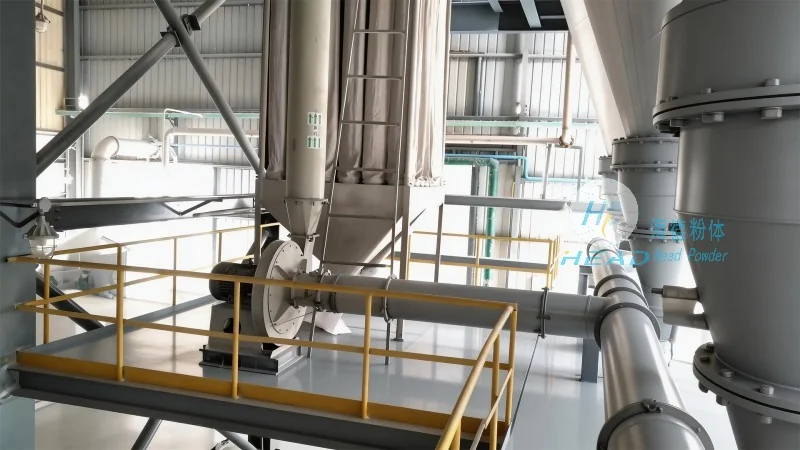
Advantages and Considerations
Pneumatic conveying of white clay powder offers numerous advantages over traditional mechanical methods. These include reduced labor costs due to automated operation, improved safety by eliminating manual handling of powders, and the ability to transport materials over long distances without the need for intermediate storage. However, there are also considerations to keep in mind. For instance, the system requires regular maintenance to prevent clogging or wear from the abrasive nature of the powder. Additionally, energy consumption is a factor, as pneumatic systems can be energy-intensive, especially for long-distance or high-volume conveying. Proper system design and regular maintenance are crucial to mitigate these challenges and ensure optimal performance.
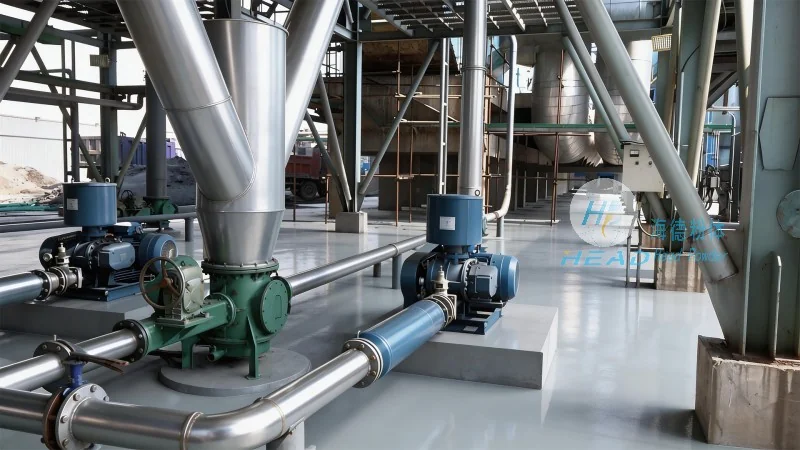
Application Examples
The application of pneumatic conveying for white clay powder is widespread across various industries. In the chemical industry, white clay powder is used as a filler or adsorbent, and pneumatic conveying facilitates its transport from storage to processing units. In the paper industry, it is used as a coating or filler, and the system ensures consistent quality in the final product. The food industry also utilizes white clay powder for filtration or as a food additive, and pneumatic conveying maintains the material's purity and quality during transport. Each application may require specific adjustments to the system design, such as varying the conveying velocity or using different materials for the conveying line, to suit the particular requirements of the process.
Conclusion
In conclusion, pneumatic conveying is a highly effective method for transporting white clay powder, offering benefits such as efficiency, safety, and material integrity. The design principles, components, and considerations outlined above are essential for developing a system that meets the specific needs of an industry. By understanding these aspects, companies can optimize their material handling processes, reduce costs, and enhance overall operational performance. As a leading provider in this field, Shandong HeadPowder Engineering Co., Ltd., based in Shandong, China, specializes in designing and implementing such systems, ensuring that clients receive tailored solutions that address their unique material handling challenges.