With more than 10‑year industry experience, Shandong Headpowder delivers full‑service pneumatic‑conveying systems and blowers, undertaking nationwide turn‑key powder‑handling projects.
Boron powder is a specialized industrial material widely utilized in nuclear energy, chemical synthesis, and metallurgical applications. Due to its unique chemical properties and physical characteristics, handling this material requires precision engineering and specialized equipment. The process of moving boron powder from one location to another must account for its tendency to generate dust, its potential flammability, and the need to prevent moisture contamination. This necessitates the use of advanced **boron powder conveying** systems that ensure safety, efficiency, and product integrity throughout the logistics chain. Understanding the various methods available for transporting such sensitive powders is crucial for plant managers and engineers looking to optimize their material handling processes.
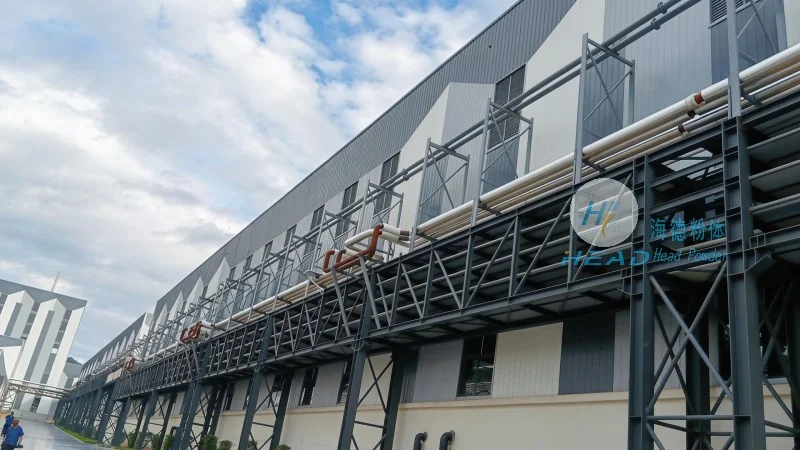
When discussing **boron powder conveying**, it is essential to recognize that there is no "one-size-fits-all" solution. The choice of method depends heavily on the distance of transport, the volume of material, and the specific environmental constraints of the facility. The most common approach involves pneumatic conveying, which uses pressurized air or a vacuum to move the powder through a pipeline. This method is preferred for its ability to transport materials in a closed system, significantly reducing the risk of dust explosion and operator exposure to hazardous particles. Whether the facility requires moving small batches or large tonnages, a tailored **boron powder conveying** strategy is vital for maintaining operational continuity.
One of the primary techniques in **boron powder conveying** is vacuum conveying, also known as negative pressure conveying. In this setup, a vacuum generator or vacuum pump creates a pressure differential that pulls the boron powder from the source hopper into the pipeline. This method is particularly advantageous for batch transfers and for systems where the source points are scattered across a facility. By using a vacuum, the system remains sealed during the intake process, which is critical for controlling dust and preventing the escape of fine particles into the ambient air. This containment is a key safety feature when handling fine powders that may pose inhalation risks.
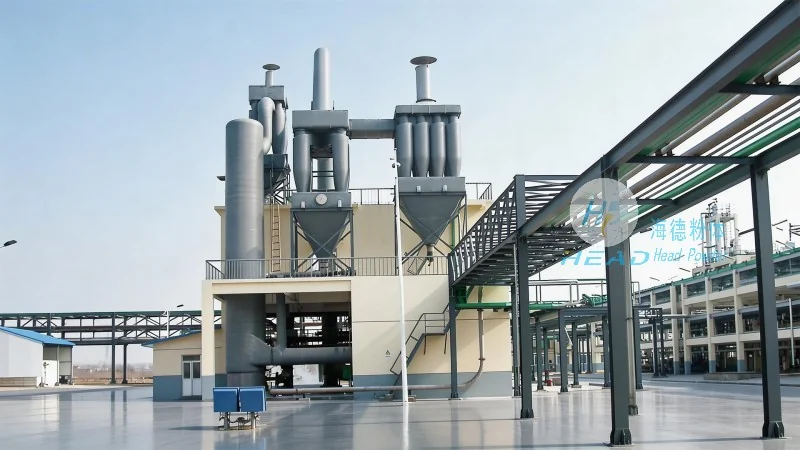
For facilities requiring the transfer of boron powder over long distances, positive pressure conveying systems are often the solution of choice. In this configuration, a compressor forces air into the pipeline, pushing the material towards the destination. This method is highly effective for moving large quantities of **boron powder conveying** over hundreds of meters, including vertical lifts. Engineers must carefully calculate the air-to-material ratio to ensure the powder is suspended in the air stream, preventing it from settling and causing blockages. Properly designed positive pressure systems offer high throughput capabilities while maintaining a clean and controlled environment.
Beyond the basic mechanics of airflow, the design of the **boron powder conveying** system must address the specific rheological properties of the material. Boron powder can vary in flowability, sometimes exhibiting cohesive behavior that makes it difficult to handle. To mitigate this, engineers may implement specialized techniques such as fluidization or the use of specialized nozzle designs to ensure a steady flow. Furthermore, the selection of piping materials and the design of the receiving hoppers are critical components of the overall **material conveying** system. High-quality components ensure durability and reduce maintenance downtime, which is essential for high-volume production environments.
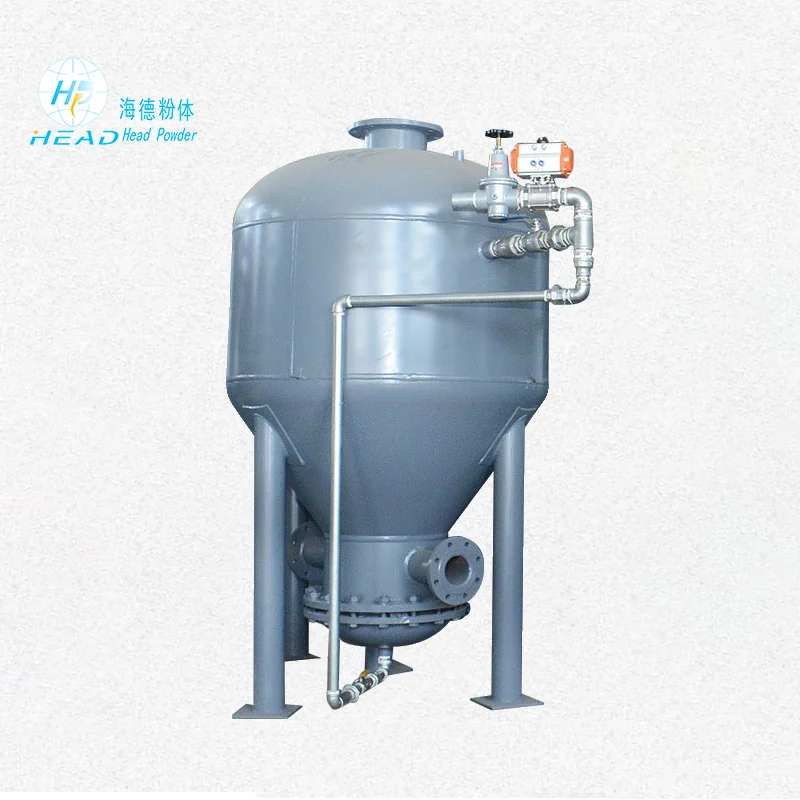
For businesses seeking reliable and efficient solutions, Shandong Headpowder Engineering Co., Ltd. stands out as a premier provider of industrial handling equipment. Headquartered in Shandong, China, the company specializes in the research, development, and manufacturing of advanced **boron powder conveying** systems. With a deep understanding of the challenges associated with powder logistics, Headpowder offers comprehensive solutions that integrate seamlessly into existing production lines. The company’s commitment to quality and innovation ensures that clients receive systems that are not only efficient but also compliant with strict safety and environmental standards.
Shandong Headpowder Engineering Co., Ltd. provides end-to-end services, from initial consultation and system design to installation and after-sales support. By leveraging cutting-edge technology and a team of experienced engineers, the company ensures that every **boron powder conveying** project meets the specific needs of the client. Whether the requirement is for a simple batch transfer or a complex, multi-point distribution network, the company’s expertise in **material conveying** guarantees a robust and reliable solution.
Choosing the right partner for **boron powder conveying** is a decision that impacts the safety and efficiency of your entire operation. Shandong Headpowder Engineering Co., Ltd. distinguishes itself through its dedication to customer satisfaction and technical excellence. The company’s systems are designed to minimize cross-contamination, which is a critical factor in industries where material purity is paramount. By utilizing state-of-the-art pneumatic conveying technology, Headpowder helps clients achieve higher productivity and lower operational costs.
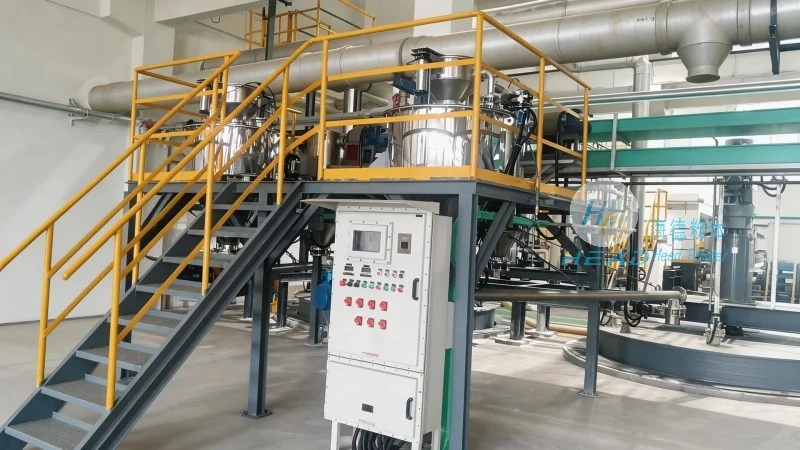
The company’s location in Shandong provides a strategic advantage for serving both domestic and international markets. This central position allows for efficient logistics and support services. When you engage with Shandong Headpowder Engineering Co., Ltd., you are partnering with a team that prioritizes your specific operational challenges. Their focus on **boron powder conveying** and general **material conveying** solutions makes them a trusted name in the industry.
For more information regarding our **boron powder conveying** systems and engineering services, please reach out to our team directly. We are available to discuss your specific requirements and provide tailored solutions to optimize your material handling processes. To connect with our sales department, please contact Zhang Manager. You may reach us via WeChat at 15662777102. Our team in Shandong is ready to assist you in finding the most effective **boron powder conveying** solution for your facility.

 Shandong Headpowder Engineering Co., Ltd.
 156-6277-7102(Manager Zhang)
  0531-83386006
  Zhangqiu District, Jinan City, Shandong Province, China
telephone
WeChatconsult
top