With more than 10‑year industry experience, Shandong Headpowder delivers full‑service pneumatic‑conveying systems and blowers, undertaking nationwide turn‑key powder‑handling projects.
Spice and seasoning material conveying lines are specialized industrial systems engineered to handle the efficient transport of various spices, seasonings, and related raw materials within food processing facilities. These lines are crucial for maintaining production efficiency, ensuring product quality, and adhering to stringent hygiene standards that are paramount in the food industry. The design of such systems involves a comprehensive approach that integrates mechanical, pneumatic, and sometimes automated control elements to meet the unique challenges posed by the handling of granular, powdery, or semi-solid seasonings.
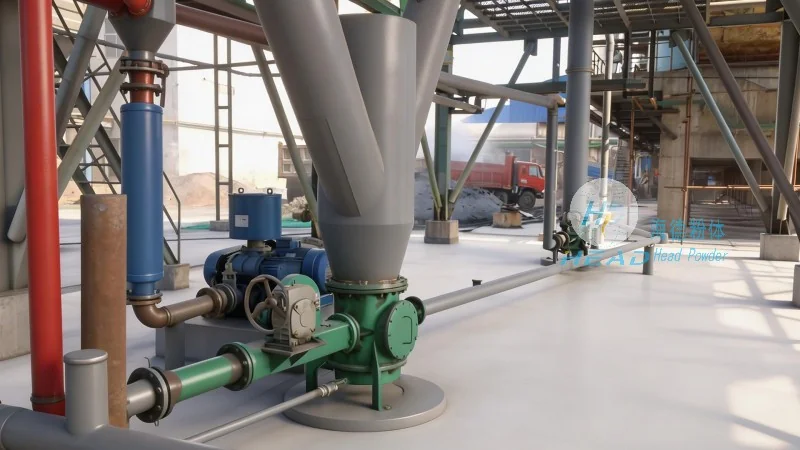

A typical spice and seasoning material conveying line comprises several key components, each playing a vital role in the overall operation. The primary elements include feeders, conveyors (such as belt, screw, or pneumatic types), storage hoppers, and control systems. Feeders are responsible for accurately metering the material, ensuring a consistent flow rate that prevents overloading or underloading of the conveying equipment. Conveyors, which can be categorized as mechanical (e.g., screw conveyors for bulk powders) or pneumatic (air-assisted systems for fine powders), transport the material from one processing stage to another. Storage hoppers provide temporary holding capacity, allowing for buffer storage and preventing interruptions in production. Control systems, often integrated with sensors and programmable logic controllers (PLCs), monitor the flow, pressure, and temperature of the material, ensuring safe and efficient operation.
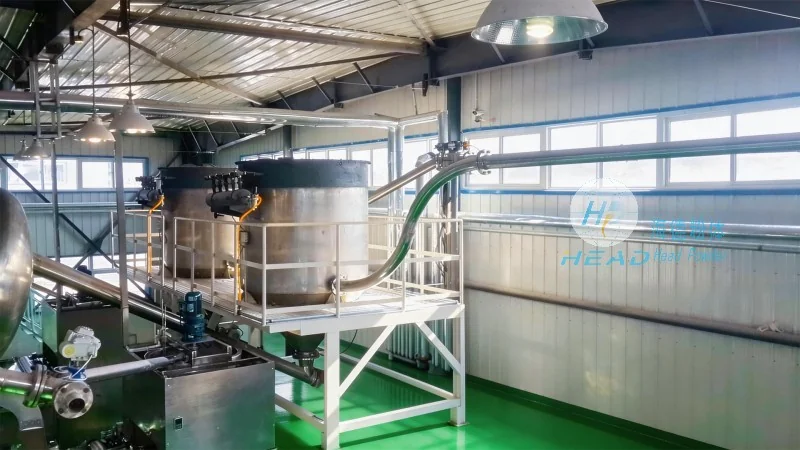
The design principles of a spice and seasoning material conveying line are centered on several critical factors, including material characteristics, production capacity, and operational safety. First, the material's physical properties—such as particle size, moisture content, and flowability—are carefully considered to select the appropriate conveying method. For instance, fine powders like paprika or ground spices may require pneumatic conveying systems to avoid product degradation or clogging, while bulkier items like whole peppercorns might be better suited for mechanical screw conveyors. Second, the production capacity of the facility dictates the system's throughput, which influences the size and speed of the conveyors and feeders. Engineers must calculate the required flow rates and ensure that the entire line can handle the expected volume without bottlenecks. Third, hygiene and sanitation are paramount in food processing, so the design incorporates materials like stainless steel, smooth surfaces, and easy-to-clean components to prevent contamination and comply with regulatory standards. Additionally, energy efficiency is a key consideration, with designs optimized to minimize power consumption while maintaining performance.
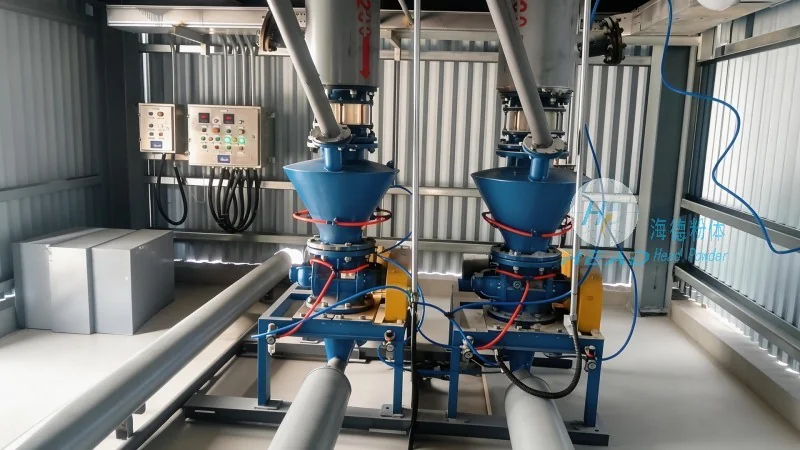
Shandong HeadPowder Engineering Co., Ltd., a leading provider of industrial engineering solutions, specializes in designing and manufacturing customized spice and seasoning material conveying lines. With a strong presence in China, particularly in Shandong, the company leverages decades of experience in the food processing industry to deliver systems that meet the specific needs of their clients. HeadPowder's approach involves a thorough understanding of the client's production processes, material characteristics, and operational goals. The company's engineers work closely with clients to develop solutions that optimize material flow, reduce downtime, and enhance overall productivity. By integrating advanced technologies and adhering to industry best practices, HeadPowder ensures that their conveying lines are not only efficient but also reliable and durable. The company's commitment to quality and customer satisfaction has made it a trusted partner for businesses seeking to streamline their seasoning and spice handling operations.

 Shandong Headpowder Engineering Co., Ltd.
 156-6277-7102(Manager Zhang)
  0531-83386006
  Zhangqiu District, Jinan City, Shandong Province, China
telephone
WeChatconsult
top