

How to Design a Reasonable Flaky Graphite Powder Pneumatic Conveying System Plan?
When it comes to handling flaky graphite powder, selecting the right pneumatic conveying system is crucial for efficiency and reliability. A well-designed system not only ensures smooth material transport but also minimizes operational costs and maintenance needs. This article explores the key factors and best practices for designing a rational flaky graphite powder pneumatic conveying system, with insights from Shandong HeadPowder Engineering Co., Ltd., a leading provider in the field.
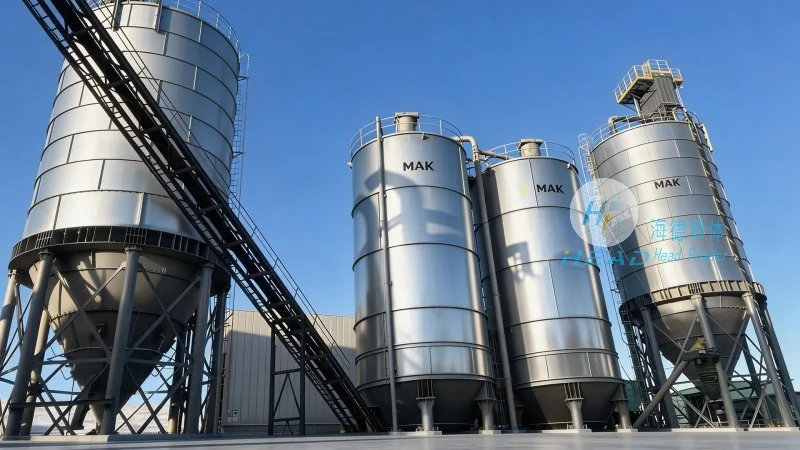
HeadPowder, with its headquarters in Shandong, China, specializes in engineering solutions tailored to the unique demands of graphite powder handling. Their expertise lies in creating customized pneumatic conveying systems that address the challenges posed by flaky graphite's properties, such as low bulk density and tendency to agglomerate.
Key Considerations in System Design
Designing a pneumatic conveying system for flaky graphite powder requires a comprehensive understanding of material characteristics and operational requirements. The first step is to assess the material's physical properties, including particle size distribution, density, and flowability. Flaky graphite often has irregular shapes and low bulk density, which can affect air velocity and pressure requirements. HeadPowder engineers consider these factors to determine the appropriate conveying method—whether it's a pressure or vacuum system—and the optimal air velocity to prevent material deposition and ensure consistent flow.
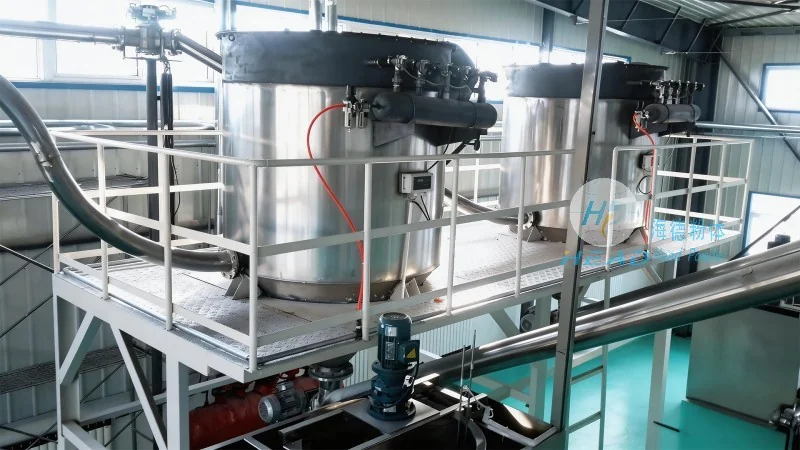
Component Selection for Efficient Pneumatic Conveying
Key components in a pneumatic conveying system include the hopper, feeder, pipeline, and receiver. For flaky graphite, the hopper design is critical to prevent material bridging and ensure uniform feeding. HeadPowder recommends using hoppers with sloped walls and possibly a vibratory feeder to maintain consistent material flow. The pipeline material must be chosen to resist corrosion and abrasion, as graphite can be abrasive over time. Stainless steel or specialized coatings are often used to protect against wear. The receiver, where the material is deposited, should be designed to minimize dust and allow for easy cleaning.
System Sizing and Flow Rate Calculations
Accurate system sizing is essential to avoid under- or over-dimensioning the equipment. Engineers at HeadPowder use detailed calculations to determine the required air volume and pressure. This involves considering the material's bulk density, conveying distance, and pipeline diameter. For flaky graphite, the low bulk density means higher air volumes are often needed compared to denser powders. The calculations also account for friction losses in the pipeline and the pressure drop across components like valves and bends. Proper sizing ensures the system operates at peak efficiency without excessive energy consumption.
Material Handling Challenges and Solutions
Flaky graphite presents several challenges during handling, including dust generation, material agglomeration, and blockages. HeadPowder addresses these issues through innovative solutions. For dust control, the system may include cyclone separators or bag filters to capture fine particles and maintain air quality. To prevent agglomeration, the system can incorporate air knives or vibrators to keep the material in suspension. Blockages are mitigated by using appropriate pipeline diameters and avoiding sharp bends or restrictions. Regular maintenance and monitoring are also crucial to detect and resolve issues before they impact production.
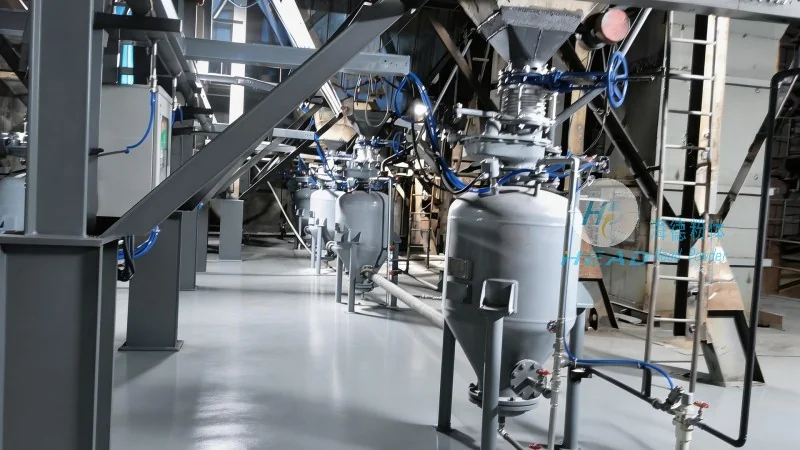
Installation and Commissioning Best Practices
Proper installation and commissioning are vital to ensure the system operates as designed. HeadPowder follows rigorous protocols to install pneumatic conveying systems. This includes thorough inspection of all components for leaks and proper alignment of pipelines. Commissioning involves testing the system under various flow rates and material conditions to verify performance. Engineers may adjust air pressure or velocity during this phase to optimize operation. Training operators on system maintenance and emergency procedures is also part of the commissioning process, ensuring long-term reliability.
By following these design principles and best practices, companies can achieve efficient and reliable flaky graphite powder pneumatic conveying systems. Shandong HeadPowder Engineering Co., Ltd. offers tailored solutions that address the unique challenges of handling flaky graphite, ensuring smooth material transport and reduced operational costs. Their expertise in system design and engineering makes them a trusted partner for businesses in the graphite industry.