With more than 10‑year industry experience, Shandong Headpowder delivers full‑service pneumatic‑conveying systems and blowers, undertaking nationwide turn‑key powder‑handling projects.
When it comes to transporting stabilizer powders efficiently and reliably, a well-designed pneumatic conveying system is crucial. Such systems enable the safe and effective movement of bulk materials through the use of air or gas as the conveying medium. For industries dealing with stabilizer powders, selecting the right system design is paramount to ensure operational efficiency, material integrity, and system longevity. This article will explore the key considerations and steps involved in designing a reasonable stabilizer powder pneumatic conveying system, with a focus on practical applications and technical aspects.
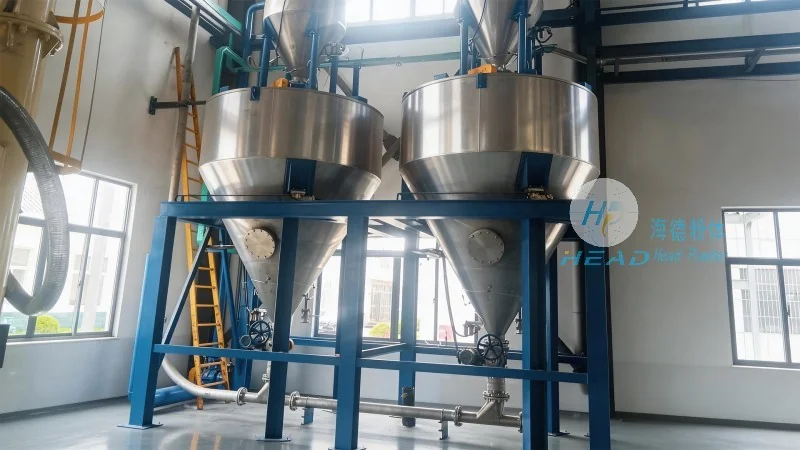
A pneumatic conveying system for stabilizer powders typically consists of several essential components. These include the material feed hopper, which holds the stabilizer powder and provides a controlled discharge; the conveying line, which transports the material from the source to the destination; the air or gas source, such as a blower or compressor, that generates the pressure or vacuum needed for movement; and the receiving hopper or storage vessel where the material is deposited. Each component plays a vital role in the overall system performance and must be carefully selected and sized based on the specific characteristics of the stabilizer powder and the operational requirements.
Several critical factors must be considered when designing a pneumatic conveying system for stabilizer powders. The first is the particle size and flowability of the powder, as these properties directly impact the system's ability to handle the material without blockages or degradation. The second is the system's capacity and flow rate requirements, which determine the size of the conveying line and the power of the air source. The third is the distance and elevation changes between the feed and receiving points, as these affect the pressure drop and energy consumption. Additionally, the system's operating environment, including temperature and humidity, must be taken into account to ensure the materials and equipment are suitable for the conditions. By carefully evaluating these factors, engineers can design a system that meets the specific needs of the application while minimizing operational costs and maximizing efficiency.
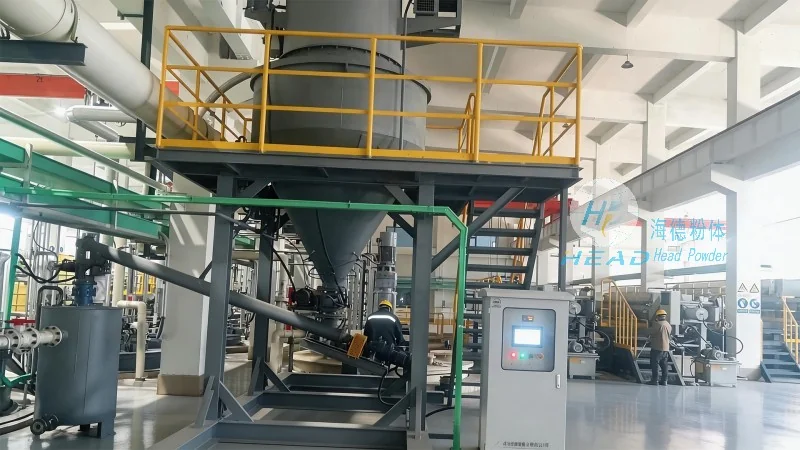
Stabilizer powders often have unique characteristics that require special attention during the design process. For example, some stabilizer powders may be hygroscopic, meaning they absorb moisture from the air, which can affect their flowability and stability. In such cases, the system may need to incorporate drying or moisture control measures to maintain the powder's quality. Other considerations include the potential for agglomeration or caking, which can lead to blockages in the conveying line. To mitigate these issues, engineers may use additives or conditioning equipment to improve the powder's flow properties. Furthermore, the system's design should account for any health and safety regulations related to the handling of stabilizer powders, such as dust control measures and proper ventilation systems. By addressing these material-specific challenges, the designed system can ensure safe and reliable operation.
Proper sizing of the pneumatic conveying system is essential to ensure it can handle the required flow rates and pressures without excessive energy consumption or system stress. The conveying line diameter and length are critical parameters that affect the system's performance. A larger diameter line reduces pressure drop but increases material cost, while a shorter line may require higher air pressure. The air source capacity, including the blower or compressor size and pressure rating, must be matched to the system's requirements to provide sufficient air flow and pressure. Additionally, the feed and receiving equipment, such as hoppers and valves, should be sized to match the system's capacity to prevent bottlenecks or overloading. Through careful capacity planning and sizing, the system can operate at optimal efficiency, minimizing downtime and maintenance costs.
Designing an energy-efficient pneumatic conveying system is not only beneficial for reducing operational costs but also for minimizing the environmental impact. Modern systems often incorporate variable frequency drives (VFDs) to adjust the air flow and pressure based on the actual demand, reducing energy waste. The use of high-efficiency blowers and compressors also contributes to energy savings. Additionally, proper system maintenance, such as regular cleaning and inspection of the conveying line and components, helps maintain optimal performance and reduces energy consumption over time. From an environmental perspective, the system should include dust collection and filtration systems to prevent airborne emissions and comply with local regulations. By focusing on energy efficiency and environmental considerations, the designed system can provide long-term benefits while meeting sustainability goals.
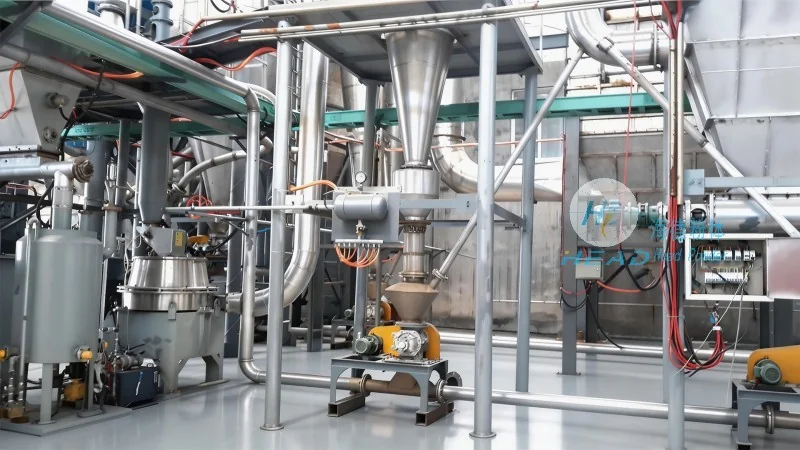
The successful implementation of a pneumatic conveying system for stabilizer powders requires careful planning and execution of the installation process. This includes proper site preparation, ensuring the system is installed according to the manufacturer's specifications and local building codes. The installation should also consider the accessibility of components for maintenance and repair, as regular maintenance is crucial for system longevity and performance. Maintenance activities may include cleaning the conveying line, replacing worn parts, and checking the air source and control systems. A well-designed maintenance plan, including scheduled inspections and component replacements, can help prevent unexpected failures and extend the system's service life. By prioritizing proper installation and maintenance, the system can operate reliably and efficiently for years to come.
Designing a reasonable stabilizer powder pneumatic conveying system involves a comprehensive approach that considers the material properties, operational requirements, and system components. By carefully evaluating the key design factors, such as particle size, flowability, system capacity, and energy efficiency, engineers can develop a system that meets the specific needs of the application. The involvement of experienced professionals, such as those from Shandong HeadPowder Engineering Co., Ltd., can provide valuable insights and expertise to ensure the system is designed and implemented effectively. With proper planning and execution, a well-designed pneumatic conveying system can provide reliable and efficient material handling for stabilizer powders, contributing to the overall success of the operation. Whether for new installations or system upgrades, investing in a well-designed system is a critical step toward achieving optimal performance and minimizing operational challenges.

 Shandong Headpowder Engineering Co., Ltd.
 156-6277-7102(Manager Zhang)
  0531-83386006
  Zhangqiu District, Jinan City, Shandong Province, China
telephone
WeChatconsult
top