With more than 10‑year industry experience, Shandong Headpowder delivers full‑service pneumatic‑conveying systems and blowers, undertaking nationwide turn‑key powder‑handling projects.
Understanding the role and design of glass bead powder conveying equipment is crucial for industries that rely on efficient material handling. This equipment is specifically engineered to transport glass bead powders, which are widely used in various applications such as coatings, inks, and industrial fillers. The design of these systems must address the unique properties of glass beads, including their size, density, and flow characteristics.
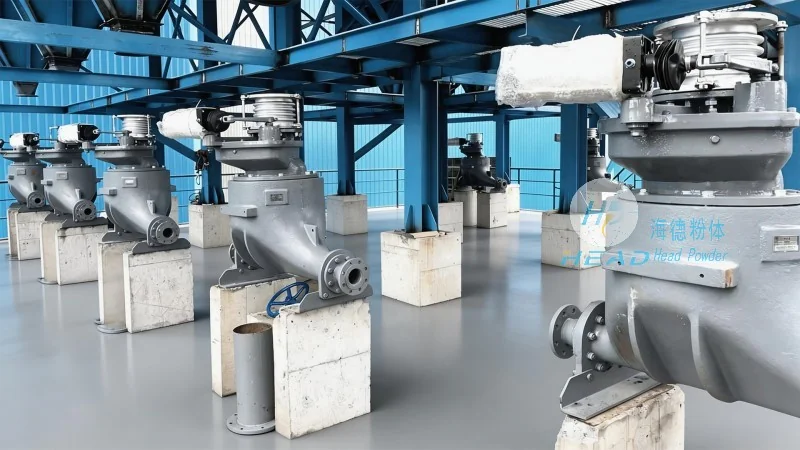
At the core of any glass bead powder conveying equipment are several critical components that work in tandem to ensure reliable and efficient operation. The primary components typically include a hopper for material storage, a feeding mechanism to control the flow of powder, a conveying device (such as a screw or pneumatic system), and a control system to regulate the entire process. Each component is carefully selected and integrated to meet the specific requirements of glass bead handling.
The design of glass bead powder conveying equipment follows several fundamental principles aimed at maximizing efficiency, minimizing material degradation, and ensuring safety. One of the key considerations is the prevention of material buildup and clogging, which can occur due to the abrasive nature of glass beads. Engineers employ smooth, corrosion-resistant surfaces and appropriate angles in the hopper and conveying path to facilitate unobstructed flow. Additionally, the equipment is designed to minimize air resistance and friction, as these factors can affect the energy consumption and overall performance of the system.
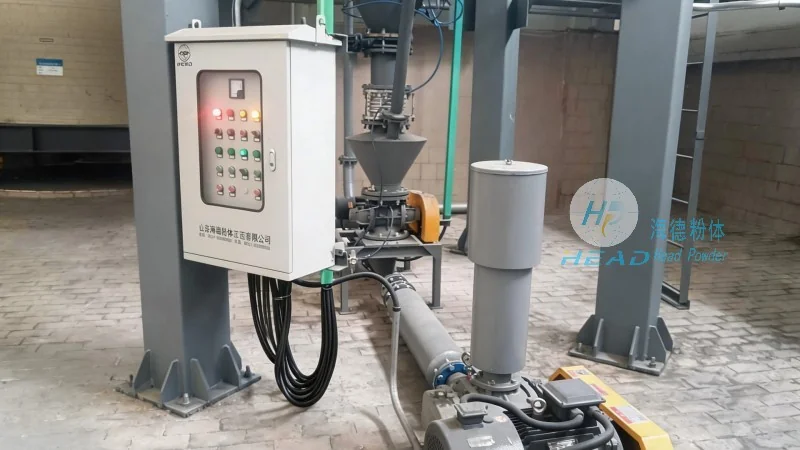
Effective feeding is essential for consistent and reliable glass bead delivery. The feeding mechanism, often a rotary valve or a screw feeder, is designed to regulate the rate of material discharge from the hopper. This control is critical to prevent overloading the conveying system and to maintain a steady flow rate. Advanced systems may incorporate sensors and feedback loops to adjust the feeding rate in real-time, ensuring that the conveying equipment operates at optimal capacity. The design of the feeding device also considers the need to prevent material segregation, which can occur if the beads are not uniformly mixed before transport.
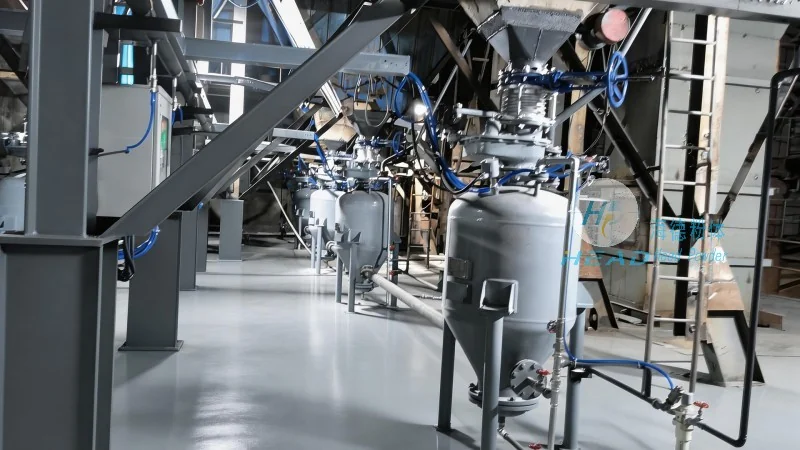
For many applications, pneumatic conveying systems are preferred for glass bead powder handling due to their ability to transport materials over longer distances and with less maintenance. These systems use compressed air to move the glass beads through a pipeline, combining the material with air in a hopper and then transporting it to the destination. The design of pneumatic systems involves careful selection of air velocity, pipeline diameter, and the use of appropriate filters to prevent dust accumulation and maintain air quality. The system must also be equipped with pressure relief valves and other safety features to protect against overpressure and potential hazards.
Screw conveyors are another common type of glass bead powder conveying equipment, particularly suitable for short to medium-distance transport and for applications where a closed system is required. The screw, which rotates within a trough, moves the glass beads forward by friction. The design of the screw conveyor includes considerations such as the pitch of the screw (the distance between adjacent flights), the diameter of the screw, and the angle of inclination. These parameters are optimized to ensure smooth material movement without causing excessive wear or degradation of the glass beads. Screw conveyors are often used in conjunction with other equipment, such as mixers or classifiers, to form a complete material handling system.
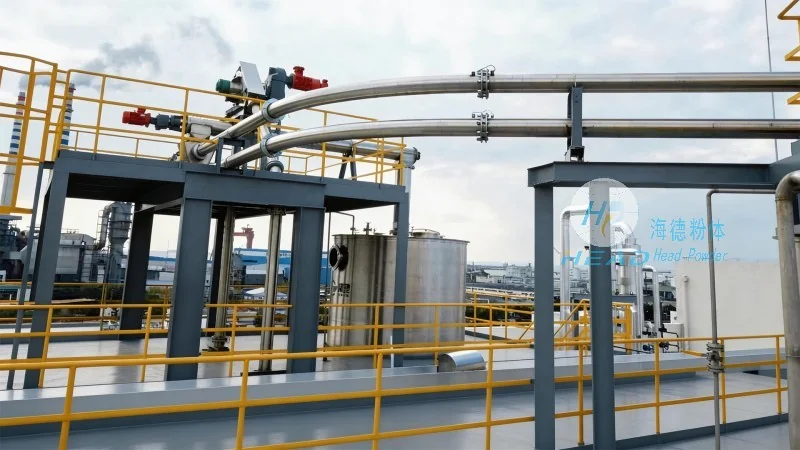
When designing glass bead powder conveying equipment, safety and material integrity are paramount. The equipment must be constructed from materials that are resistant to the abrasive and corrosive effects of glass beads, such as stainless steel or specialized polymers. Additionally, the system is equipped with safety features like emergency stop buttons, overload protection, and dust collection systems to minimize the risk of accidents and environmental contamination. Proper maintenance, including regular cleaning and inspection of components, is essential to ensure the longevity and reliability of the equipment.
Glass bead powder conveying equipment is a specialized solution that addresses the unique challenges of handling these materials. By understanding the design principles and components involved, industries can select and operate equipment that maximizes efficiency, minimizes downtime, and ensures the quality of the final product. The expertise of companies like Shandong HeadPowder Engineering Co., Ltd., with their focus on engineering solutions tailored to specific material handling needs, plays a crucial role in the successful implementation of these systems.

 Shandong Headpowder Engineering Co., Ltd.
 156-6277-7102(Manager Zhang)
  0531-83386006
  Zhangqiu District, Jinan City, Shandong Province, China
telephone
WeChatconsult
top