

What is a Urea Material Pneumatic Conveying System? And What Are Its Design Principles?
Urea, a critical fertilizer and industrial chemical, often requires efficient and reliable transportation methods for safe and effective handling. A urea material pneumatic conveying system is a specialized piece of equipment designed to transport urea powder or granules through a pipeline using air or other gas as the conveying medium. This technology offers several advantages over traditional mechanical conveying methods, such as reduced material degradation, lower labor costs, and improved safety in handling potentially hazardous materials. Understanding the core components and design principles of such a system is essential for optimizing its performance and ensuring compliance with industry standards.
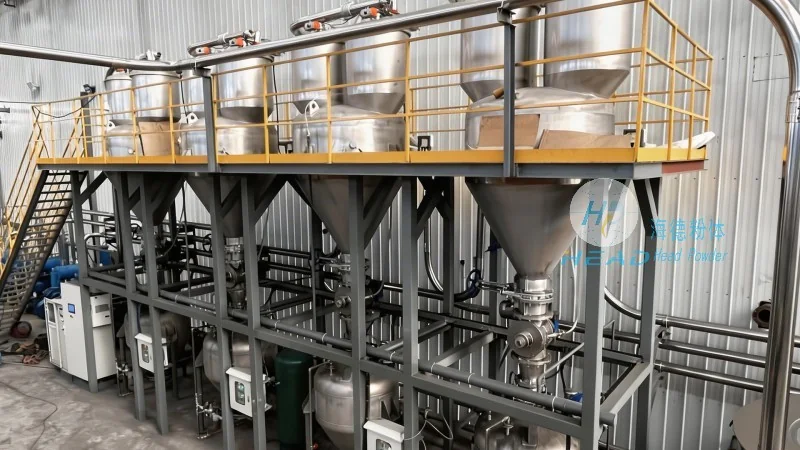
About HeadPowder: Experts in Pneumatic Conveying Solutions
HeadPowder, a leading provider of pneumatic conveying systems, specializes in the design, manufacturing, and installation of equipment tailored to the unique needs of the fertilizer and chemical industries. With a strong presence in Shandong, China, HeadPowder Engineering Co., Ltd. leverages decades of experience to deliver high-quality, customized solutions that enhance operational efficiency and product integrity. The company's commitment to innovation and customer satisfaction has established it as a trusted partner for businesses seeking reliable urea handling solutions.
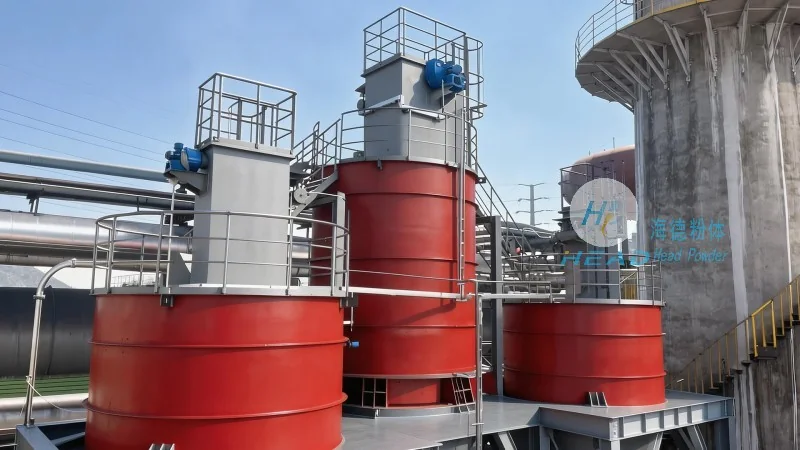
Key Design Principles of Urea Pneumatic Conveying Systems
The design of a urea material pneumatic conveying system involves several critical principles aimed at ensuring optimal performance, safety, and durability. First, the system must be engineered to handle the specific physical and chemical properties of urea, including its particle size, moisture content, and potential for agglomeration. This requires careful selection of materials for the pipeline, valves, and other components to prevent corrosion or material buildup. Second, the air velocity and pressure within the system are carefully controlled to maintain a stable and efficient conveying process. Proper air flow rates are essential to prevent material settling or blockages, which can lead to system downtime. Third, the system incorporates features such as pulse-jet cleaning and explosion-proof designs to address the unique hazards associated with urea, such as dust explosions and material degradation. Additionally, the design considers factors like energy efficiency and maintenance accessibility, ensuring long-term reliability and cost-effectiveness.
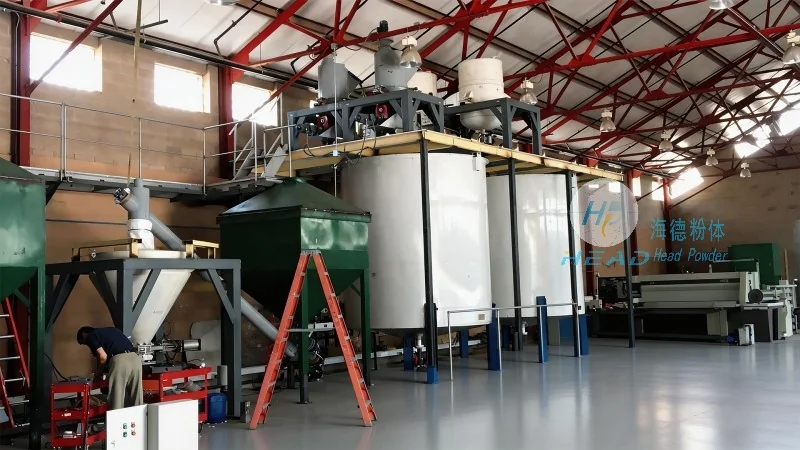
Core Components of a Urea Pneumatic Conveying System
A typical urea material pneumatic conveying system consists of several key components that work in tandem to achieve efficient material transport. The primary components include a hopper or feeder for storing and feeding the urea material, a blower or compressor to generate the necessary air pressure, a pipeline network for transporting the material, and a receiver or discharge unit for delivering the urea to its final destination. The hopper is designed with a smooth interior and often includes a vibratory or rotary feeder to ensure consistent material flow and prevent blockages. The blower or compressor provides the motive force, with options ranging from positive displacement blowers to centrifugal compressors, depending on the system's capacity and pressure requirements. The pipeline is typically made of stainless steel or other corrosion-resistant materials to withstand the chemical properties of urea and prevent contamination. Valves, such as rotary airlocks and check valves, are strategically placed to control the flow and prevent backflow, while the receiver is equipped with a dust collection system to capture any airborne particles and maintain air quality.
Applications and Benefits of Urea Pneumatic Conveying
Urea material pneumatic conveying systems are widely used in various industrial applications, including fertilizer production, chemical processing, and agricultural distribution. In fertilizer plants, these systems are crucial for transporting urea from storage silos to processing units or packaging lines, ensuring a continuous and efficient supply chain. The benefits of using pneumatic conveying for urea include reduced material handling time, minimized product loss, and improved safety by eliminating manual handling of bulk materials. Additionally, the system's ability to handle both dry and slightly moist urea without degradation makes it suitable for a range of applications. The energy efficiency of pneumatic conveying, compared to mechanical systems, also contributes to lower operational costs over time. By integrating advanced control systems and monitoring technologies, modern urea pneumatic conveying systems can further enhance performance, providing real-time data on flow rates, pressure, and material levels to optimize operations.
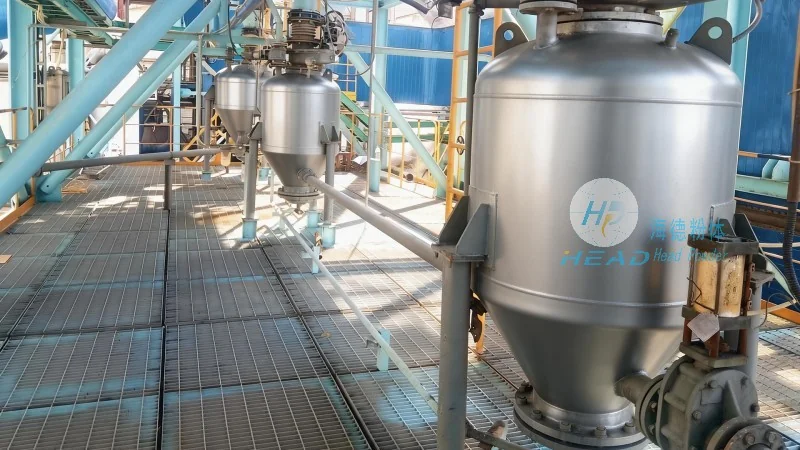
Conclusion: Choosing the Right Urea Pneumatic Conveying System
Selecting the appropriate urea material pneumatic conveying system requires a thorough understanding of the specific application requirements, material properties, and operational constraints. Companies like HeadPowder Engineering Co., Ltd. offer comprehensive solutions that address these needs through customized design and expert consultation. By adhering to industry best practices and leveraging advanced technology, businesses can achieve reliable, efficient, and cost-effective urea handling solutions. The design principles and components discussed above highlight the importance of a well-engineered system in ensuring long-term performance and compliance with safety and environmental standards. For industries relying on urea as a key component, investing in a high-quality pneumatic conveying system is a strategic decision that enhances productivity and operational excellence.