With more than 10‑year industry experience, Shandong Headpowder delivers full‑service pneumatic‑conveying systems and blowers, undertaking nationwide turn‑key powder‑handling projects.
Understanding dust and powder conveying equipment is essential for industries that handle fine particulate materials. These systems are engineered to transport dry powders and dust efficiently, ensuring safety, reliability, and optimal performance in various applications. This article explores the fundamental aspects of such equipment, including its design principles and the role of specialized manufacturers like Shandong HeadPowder Engineering Co., Ltd.
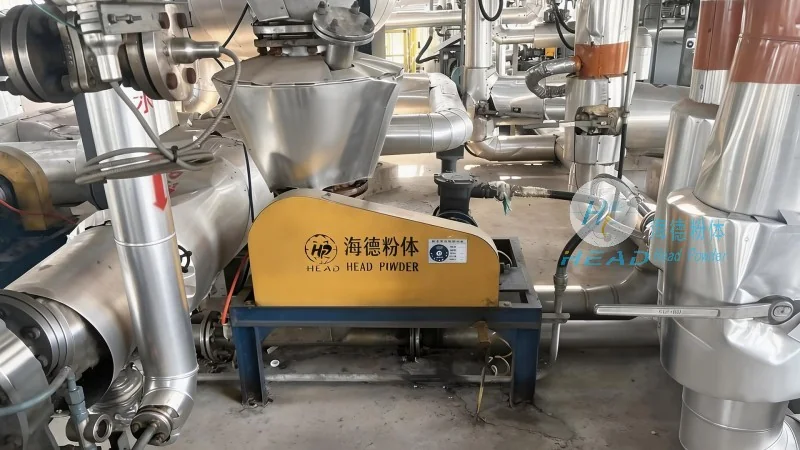
Dust powder conveying equipment, commonly referred to as pneumatic conveying systems, are mechanical devices designed to move dry powders and dust from one location to another. These systems are widely used in industries such as pharmaceuticals, food processing, chemical manufacturing, and mining, where the handling of fine materials requires precision and control. The primary goal of these systems is to transport materials without degradation, contamination, or loss, while maintaining operational safety and efficiency.
At the core of dust powder conveying equipment are several critical components that work in tandem to achieve effective material transport. The main elements include a feeding mechanism, a conveying pipeline, a pressure or vacuum source, and a control system. The feeding mechanism, often a hopper or a rotary valve, ensures a consistent and controlled flow of the powder into the system. The pipeline, typically made of stainless steel or other corrosion-resistant materials, is designed to withstand the abrasive nature of the material being conveyed. The pressure or vacuum source, such as a blower or a vacuum pump, provides the necessary force to move the powder through the pipeline. Finally, the control system monitors and regulates the flow rate, pressure, and other parameters to maintain optimal performance.
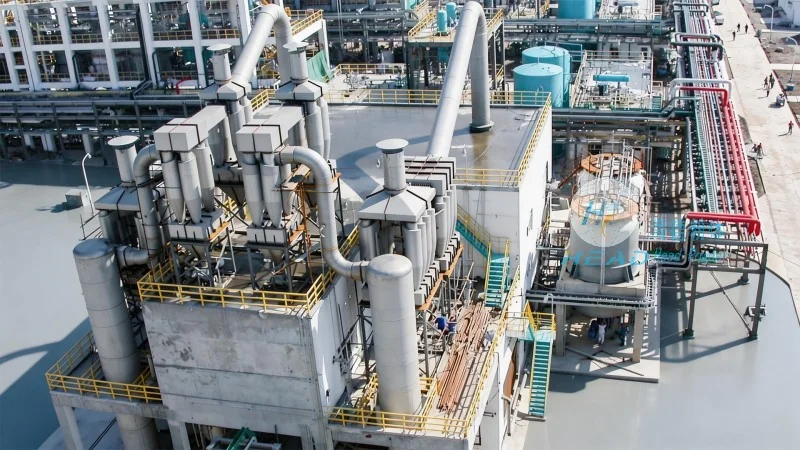
The design of dust powder conveying equipment follows several key principles to ensure efficient and reliable operation. One of the most important principles is the selection of the appropriate conveying method, which can be categorized as pressure, vacuum, or mixed flow systems. Pressure systems use positive pressure to push the material through the pipeline, while vacuum systems use negative pressure to pull the material. Mixed flow systems combine both approaches for enhanced performance. Another critical design principle is the consideration of material properties, such as particle size, density, and moisture content, as these factors significantly impact the conveying process. For example, cohesive or sticky powders may require special feeding mechanisms or additives to prevent blockages. Additionally, the system design must account for the required conveying distance and the volume of material to be transported, ensuring that the equipment is appropriately sized for the application.
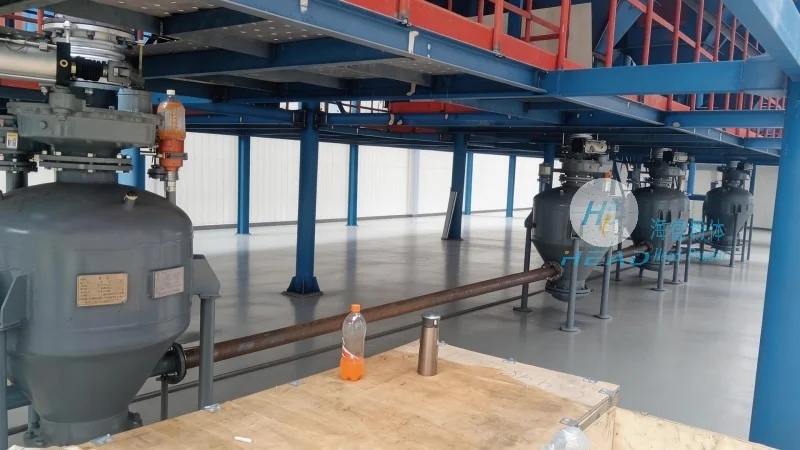
Shandong HeadPowder Engineering Co., Ltd., operating under the brand name headpowder, is a leading manufacturer of dust powder conveying equipment. With a strong presence in China, particularly in Shandong, the company specializes in designing and producing customized solutions tailored to the specific needs of various industries. Their expertise lies in understanding the unique challenges of handling different types of powders and developing systems that meet the highest standards of efficiency, safety, and durability. The company’s products are engineered to address common issues such as material degradation, equipment wear, and operational inefficiencies, providing long-term value to their clients.
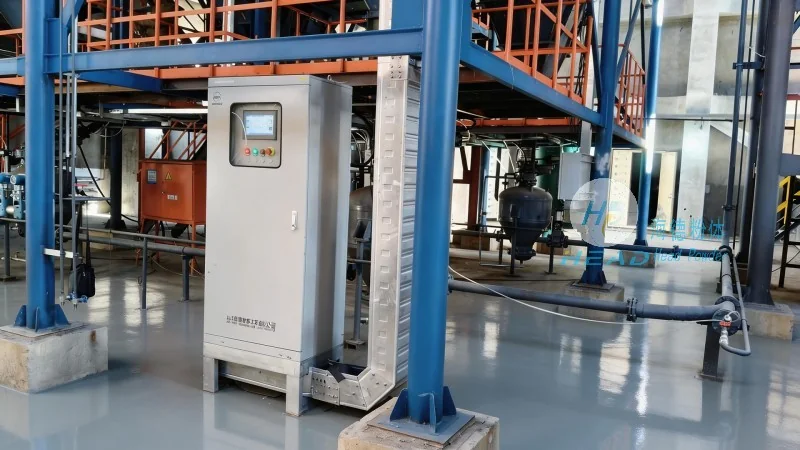
Dust powder conveying equipment finds applications in a wide range of industries, each with its own specific requirements. In the pharmaceutical industry, for example, these systems are used to transport active pharmaceutical ingredients (APIs) and excipients with high precision, ensuring that the final product meets stringent quality standards. In the food processing sector, the equipment is employed to handle powders like flour, sugar, and spices, maintaining hygiene and preventing contamination. The chemical manufacturing industry utilizes these systems for transporting raw materials and intermediates, while the mining industry relies on them to move ore and other minerals from processing facilities. The benefits of using dust powder conveying equipment include improved safety by reducing manual handling of powders, increased efficiency through automated transport, and reduced downtime due to reliable operation. Additionally, these systems help minimize material loss and environmental contamination, contributing to a more sustainable industrial process.
In summary, dust powder conveying equipment is a vital component in industries that handle fine particulate materials. The design principles, including the selection of appropriate conveying methods, consideration of material properties, and proper system sizing, are crucial for achieving efficient and reliable operation. Manufacturers like Shandong HeadPowder Engineering Co., Ltd. play a significant role in providing customized solutions that meet the diverse needs of various industries. By understanding the fundamentals of these systems and the role of specialized manufacturers, businesses can enhance their operational efficiency, improve safety, and ensure the quality of their products. The continued development and application of advanced dust powder conveying equipment will undoubtedly contribute to the growth and sustainability of industries worldwide.

 Shandong Headpowder Engineering Co., Ltd.
 156-6277-7102(Manager Zhang)
  0531-83386006
  Zhangqiu District, Jinan City, Shandong Province, China
telephone
WeChatconsult
top