

What is a Glass Fiber Cellulose Material Pneumatic Conveying System? And What Are Its Design Princip
Glass fiber cellulose materials are widely used in various industrial applications due to their unique properties, such as high tensile strength, thermal stability, and excellent insulation. The efficient and reliable transportation of these materials from one location to another is crucial for maintaining production efficiency and ensuring product quality. A pneumatic conveying system is an ideal solution for handling glass fiber cellulose materials, offering a dust-free, low-maintenance, and flexible method of material transport. This article explores the concept of a glass fiber cellulose material pneumatic conveying system and delves into its fundamental design principles.
Understanding Pneumatic Conveying Systems
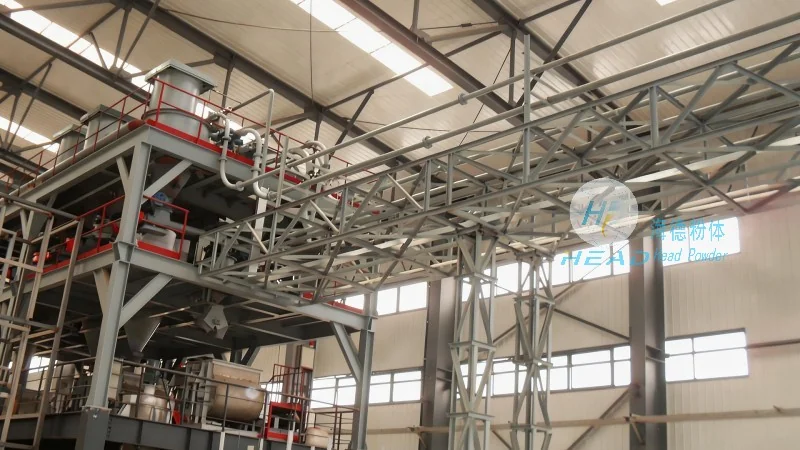
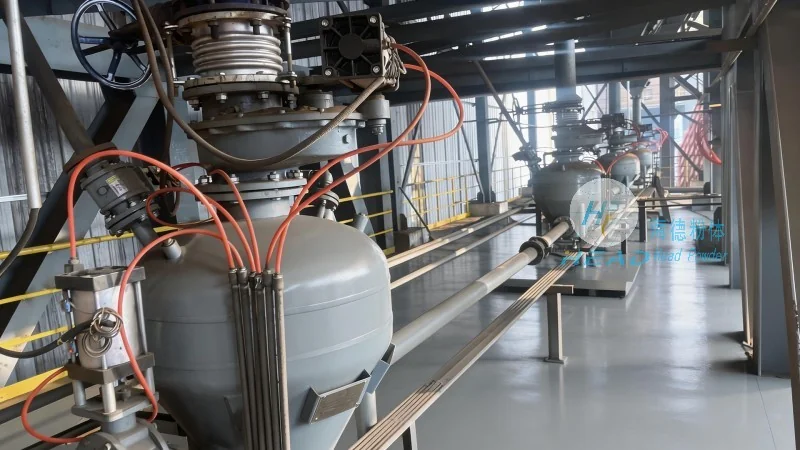
Pneumatic conveying systems utilize air or other gases to transport bulk materials through a pipeline network. Unlike mechanical conveying methods like belt conveyors or screw conveyors, pneumatic systems do not require physical contact between the material and the conveying equipment, which reduces wear and tear and minimizes the risk of contamination. For glass fiber cellulose materials, which are often abrasive and can cause wear on traditional conveying components, pneumatic systems provide a more durable and efficient solution. The system typically consists of a hopper for material storage, a feeder to control the flow rate, a conveying line, and a receiver to collect the material at the destination. The entire process is driven by a blower or compressor that generates the necessary air pressure to move the material through the system.
Key Design Principles for Glass Fiber Cellulose Pneumatic Conveying
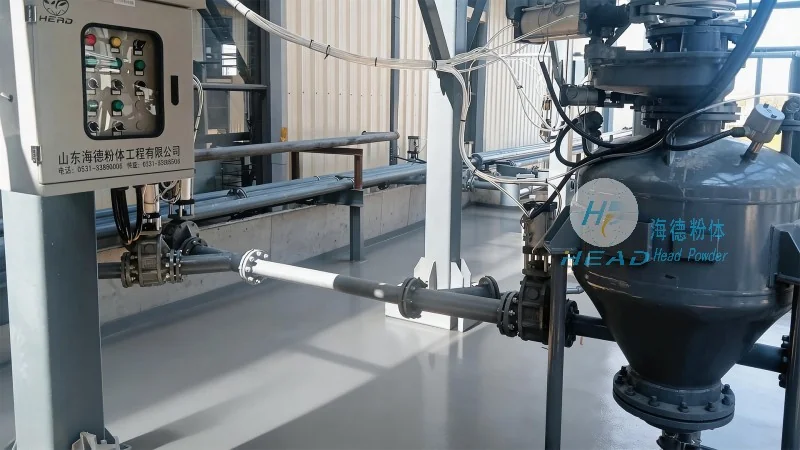
The design of a glass fiber cellulose material pneumatic conveying system must consider several critical factors to ensure optimal performance and longevity. First, the material's physical properties, such as particle size, density, and moisture content, play a significant role in determining the system's configuration. For instance, finer particles may require a higher air velocity to prevent clogging, while larger particles might need a different hopper design to ensure proper feeding. Second, the system's pressure and flow rate must be carefully calculated to maintain a stable conveying condition. The pressure drop along the pipeline is a key factor, as excessive pressure drop can lead to material deposition or blockages. Engineers typically use empirical formulas or computational fluid dynamics (CFD) simulations to model the system and optimize the pressure and flow parameters. Third, the selection of materials for the conveying components is crucial. Since glass fiber cellulose materials are abrasive, components such as hoppers, feeders, and elbows are often made from wear-resistant materials like stainless steel, polyurethane, or special alloys to extend their service life. Additionally, the system's layout should minimize bends and changes in direction to reduce pressure losses and prevent material degradation. The receiver design is also important, as it must be able to handle the material's characteristics and prevent dust emissions. Proper sealing and filtration systems are often incorporated to maintain a clean and safe working environment.
The Role of HeadPowder in Pneumatic Conveying Solutions
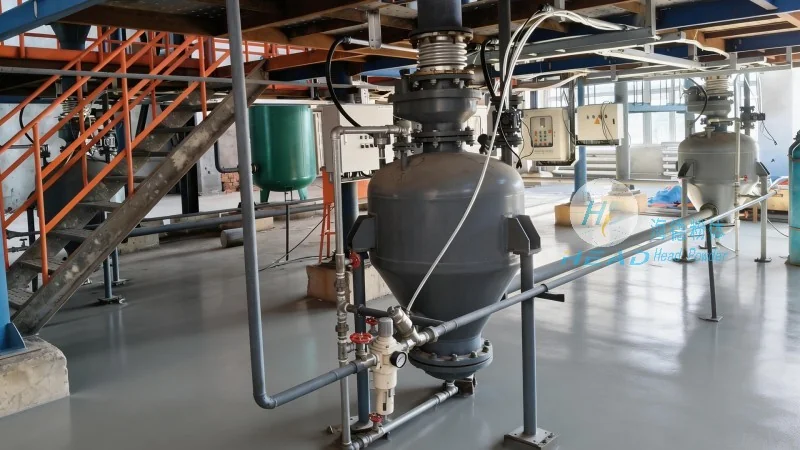
Shandong HeadPowder Engineering Co., Ltd., commonly known as HeadPowder, is a leading provider of customized pneumatic conveying systems tailored to the specific needs of glass fiber cellulose material handling. With a strong focus on engineering excellence and customer satisfaction, HeadPowder leverages advanced technology and extensive industry experience to design and manufacture high-quality conveying solutions. The company's team of experienced engineers works closely with clients to understand their production requirements, material characteristics, and operational constraints, ensuring that the final system meets all performance and safety standards. HeadPowder's pneumatic conveying systems are designed with durability and efficiency in mind, incorporating robust components and advanced control systems to minimize downtime and maintenance costs. The company's commitment to quality is evident in its adherence to international standards and rigorous testing protocols, which guarantee the reliability and longevity of its products. By partnering with HeadPowder, industries dealing with glass fiber cellulose materials can benefit from a reliable and efficient material transport solution that enhances their overall operational efficiency and product quality.