

What is Chromic Oxide Powder Pneumatic Conveying? And What Are Its Design Principles?
Chromic oxide powder pneumatic conveying is a technology used to transport fine powders like chromic oxide through a pipeline using air or other gas as the conveying medium. This method is widely applied in various industrial processes due to its efficiency and ability to handle sensitive materials without contamination. Understanding the design principles behind this system is crucial for optimizing performance and ensuring safe operation.
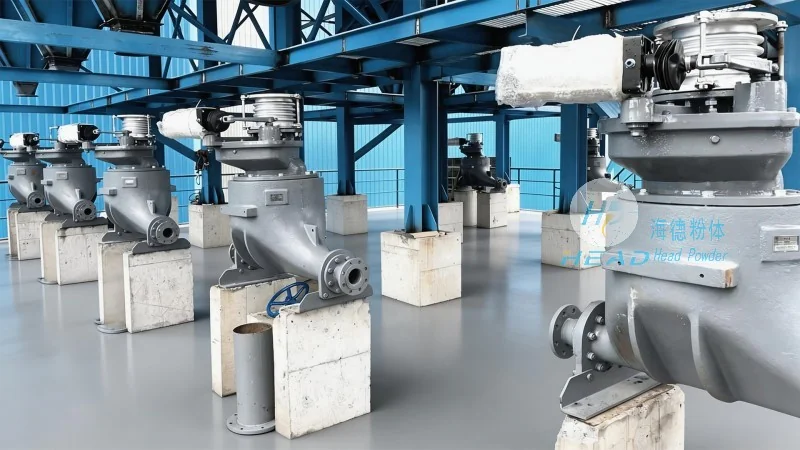
About Shandong HeadPowder Engineering Co., Ltd.
Shandong HeadPowder Engineering Co., Ltd., commonly known as HeadPowder, is a professional manufacturer and supplier specializing in pneumatic conveying systems and related equipment. With headquarters located in Shandong, China, the company has established itself as a reliable partner in the powder handling industry, offering customized solutions tailored to the specific needs of clients.
Introduction to Chromic Oxide Powder Pneumatic Conveying
Chromic oxide, a fine powder with high chemical reactivity, requires specialized handling methods to maintain its quality and prevent agglomeration or contamination. Pneumatic conveying provides an effective solution by utilizing air flow to transport the powder from the source to the destination. The system typically consists of a hopper, a rotary valve, a conveying line, and a receiver, all working in coordination to ensure smooth and continuous material transfer.
Design Principles of Pneumatic Conveying Systems
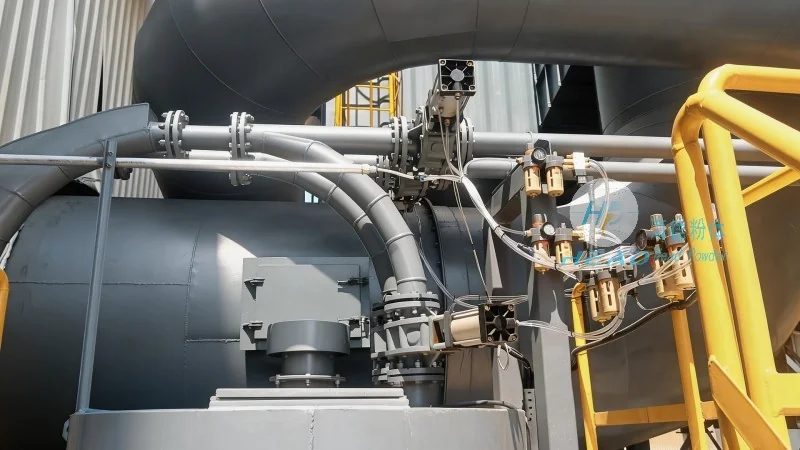
The design of a chromic oxide powder pneumatic conveying system involves several key principles to ensure optimal performance. First, the selection of the appropriate conveying medium (air or gas) and pressure is critical. High-pressure systems are often used for long-distance or high-density powder transport, while low-pressure systems are suitable for short distances or low-volume applications. The pipeline diameter and length are also carefully calculated based on the powder's properties, such as particle size, density, and flowability. Additionally, the system must incorporate features like air filtration and moisture control to protect the chromic oxide from degradation and maintain its purity.
Key Components and Their Functions
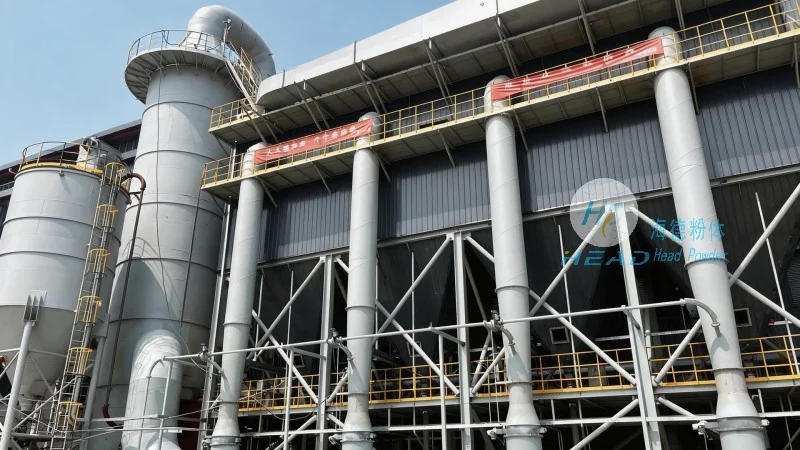
Each component of the pneumatic conveying system plays a vital role in the overall operation. The hopper serves as the storage and feeding unit, where the chromic oxide is held before being fed into the conveying line. The rotary valve, also known as a feeder, controls the flow rate of the powder into the system, preventing overfeeding or underfeeding. The conveying line, usually made of stainless steel to avoid corrosion from the chromic oxide, transports the powder and air mixture. The receiver, or discharge hopper, collects the conveyed powder and allows for further processing or storage. Air filters and cyclones are often included to separate the powder from the air, ensuring that the powder is recovered efficiently and the air is cleaned before release.
Applications in Industrial Settings
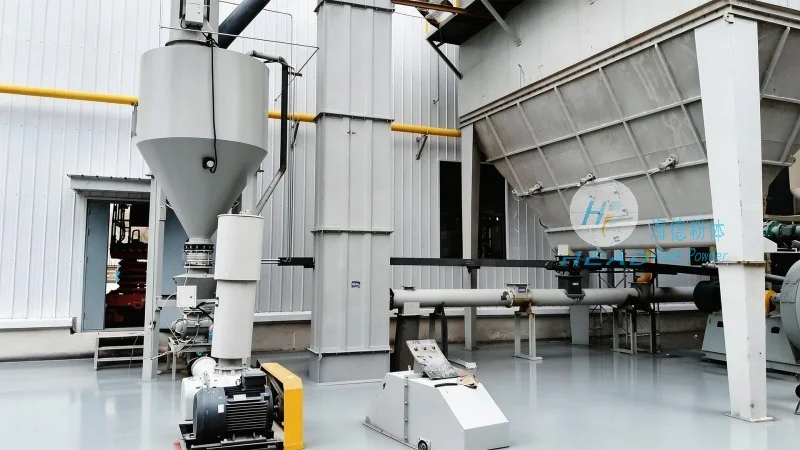
Chromic oxide powder pneumatic conveying is widely used in industries such as chemical manufacturing, pigment production, and metal processing. In these applications, the system helps to transport the powder safely and efficiently from production lines to storage facilities or to other processing units. The ability to handle fine powders without the need for mechanical components reduces the risk of product contamination and equipment wear, making it a preferred choice for sensitive materials like chromic oxide.
Conclusion
Understanding the design principles and components of chromic oxide powder pneumatic conveying is essential for optimizing industrial processes and ensuring the quality of the final product. Shandong HeadPowder Engineering Co., Ltd. provides comprehensive solutions for pneumatic conveying systems, leveraging years of experience and expertise to meet the diverse needs of clients in the powder handling industry. By adhering to the principles of efficient material transport and system reliability, companies can enhance their operational efficiency and maintain the integrity of their products.