

What is Fermentation Grains Powder Pneumatic Conveying? And What Are Its Design Principles?
When it comes to handling fermentation grains, such as those produced in winemaking or brewing processes, efficient and reliable material transport is crucial. This is where the technology of powder pneumatic conveying comes into play, offering a sophisticated solution for moving these granular or powdery materials. The following article delves into the concept of fermentation grains powder pneumatic conveying and explores the underlying design principles that make this system effective.
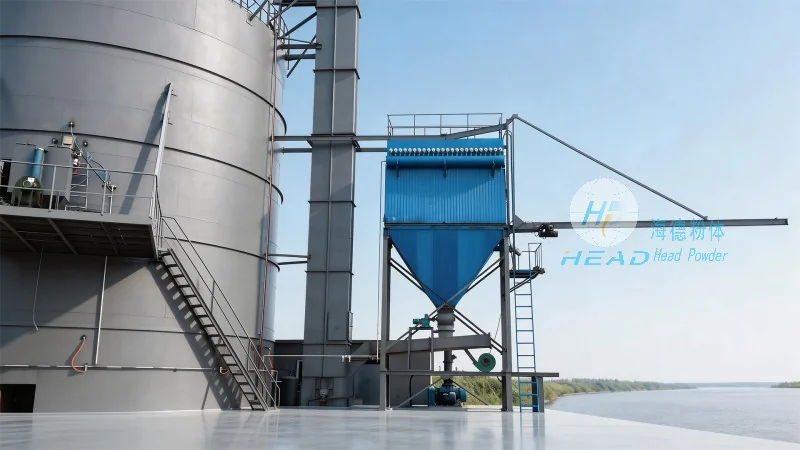
Understanding the Core Concept of Pneumatic Conveying for Fermentation Grains
Pneumatic conveying, in the context of fermentation grains, refers to the process of transporting dry, granular, or powdery materials like spent grains or yeast residues using a gas stream, typically air. Unlike traditional mechanical conveyors that rely on belts, buckets, or screws, pneumatic systems utilize the force of compressed or suction air to move materials through a network of pipes. This method is particularly advantageous for materials that are dusty, sticky, or prone to degradation, as it minimizes direct contact with equipment, reducing the risk of contamination and product damage.
The Fundamental Design Principles Behind Fermentation Grains Powder Pneumatic Conveying
The design of a pneumatic conveying system for fermentation grains is governed by several key principles that ensure optimal performance. First, the system must be tailored to the specific characteristics of the material being handled. Factors such as particle size, density, moisture content, and flowability are critical. For example, fine powders like yeast residues may require higher air velocities to prevent clogging, while larger granules like spent grains might need lower velocities to maintain efficiency. Second, the system must account for the desired transport distance and the required flow rate. The pressure or vacuum level generated by the fan or blower is a primary design parameter, as it directly influences the velocity of the gas stream and, consequently, the material's movement. Third, the system must incorporate proper separation and collection mechanisms to ensure that the conveyed material is efficiently discharged and the air is filtered or cleaned before release. This includes components like cyclone separators, bag filters, or venturi scrubbers, which are essential for maintaining air quality and preventing dust emissions.
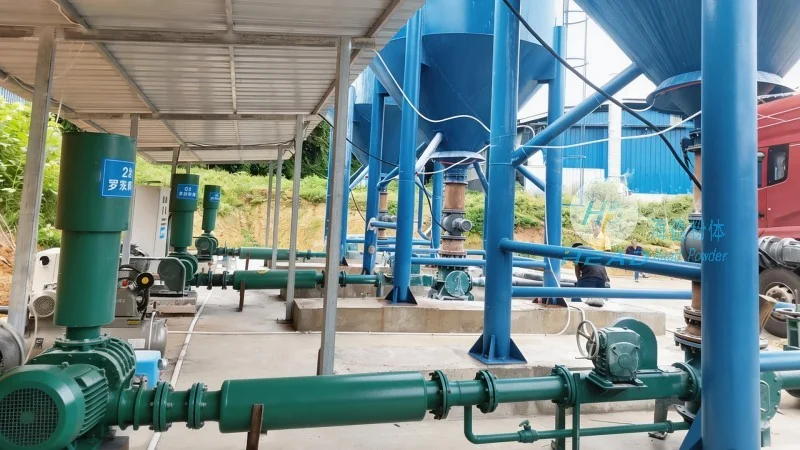
Key Components and Their Roles in the Pneumatic Conveying System
A typical pneumatic conveying system for fermentation grains consists of several interconnected components, each playing a vital role in the overall operation. The primary components include a fan or blower, which provides the necessary air pressure or vacuum. The fan's capacity and pressure rating are selected based on the material's properties and the system's design parameters. Next, the conveying line, which is a network of pipes that transports the material and air mixture. The pipe diameter and material (usually stainless steel or plastic) are chosen to withstand the internal pressure and prevent material buildup. The system may include various fittings such as elbows, tees, and bends, which are designed to minimize pressure loss and maintain the flow of the material-air mixture. Additionally, the system incorporates a feed hopper or inlet, where the fermentation grains are introduced into the system. This component is equipped with a valve or feeder to control the material flow rate, ensuring a consistent supply to the conveying line. Finally, the system includes a discharge point and a separation unit, such as a cyclone separator or a filter, which separates the material from the air stream. The separated material is collected in a storage bin or container, while the cleaned air is either vented to the atmosphere or recirculated if the system is designed for closed-loop operation.
How the Pneumatic Conveying Process Works for Fermentation Grains
The operation of a pneumatic conveying system for fermentation grains involves a sequence of steps that ensure the efficient transport of the material. The process typically begins with the material being fed into the system from a hopper or storage silo. The feeder, which may be a rotary valve or a screw feeder, controls the flow rate of the material, ensuring a steady supply to the conveying line. Simultaneously, the fan or blower generates a high-velocity air stream, either by creating a vacuum (in suction systems) or by supplying compressed air (in pressure systems). The air stream then draws the material particles into the conveying line, where they are carried along with the air. As the material travels through the pipes, it may encounter bends or changes in direction, which are designed to minimize turbulence and maintain the flow. The material-air mixture then reaches the discharge point, where it enters a separation unit. In a cyclone separator, for example, the air stream is directed at high speed into a cylindrical chamber, causing the heavier material particles to separate from the air due to centrifugal force. The separated material falls to the bottom of the cyclone and is collected in a hopper, while the air continues to the filter or vent. The filtered air is then released or recirculated, completing the cycle. The entire process is controlled by a system of sensors and controls that monitor parameters such as pressure, flow rate, and material level, ensuring that the system operates within optimal conditions.
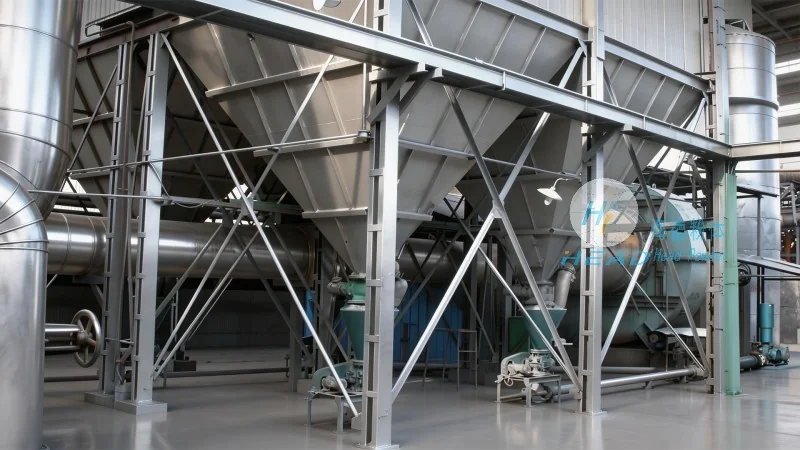
Advantages of Using Pneumatic Conveying for Fermentation Grains Handling
Compared to traditional mechanical conveyors, pneumatic conveying offers several advantages when handling fermentation grains. First, it eliminates the need for direct contact between the material and the conveyor components, reducing the risk of contamination and product degradation. This is particularly important for fermentation grains, which may contain sensitive components like yeast or enzymes that could be damaged by mechanical friction or heat. Second, pneumatic systems can transport materials over long distances with minimal pressure loss, making them suitable for applications where the material needs to be moved from one location to another within a facility or even between facilities. Third, the system is flexible and can handle a wide range of material types and flow rates, allowing for customization to meet specific operational needs. Fourth, pneumatic conveying is relatively low-maintenance, as it has fewer moving parts compared to mechanical conveyors, reducing the risk of breakdowns and the associated downtime. Finally, the system can be designed as a closed-loop operation, which helps in controlling dust emissions and maintaining a clean working environment, which is essential in food and beverage processing industries.
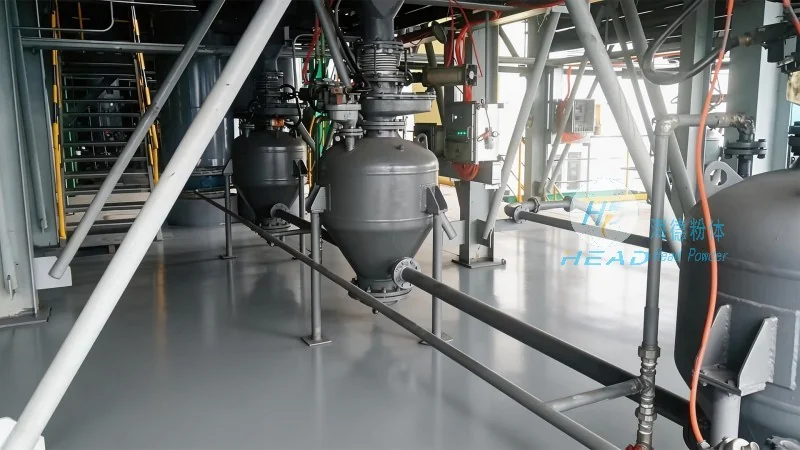
Application Scenarios and Practical Implementation
The application of pneumatic conveying for fermentation grains is widespread across various industries, particularly in the food and beverage sector. In wineries, for example, spent grape skins and yeast residues are often transported from the fermentation tanks to storage silos or for further processing into animal feed. Pneumatic systems are used to move these materials without the need for manual handling, reducing labor costs and improving safety. Similarly, in breweries, spent grains are conveyed from the brewing tanks to storage facilities or to be used as a feed ingredient in animal feed production. The system's ability to handle sticky or wet materials makes it ideal for these applications. In addition, the technology is also used in the production of biofuels, where fermentation grains are processed to extract ethanol, and the spent grains are transported for use as a fuel source or animal feed. The practical implementation of a pneumatic conveying system involves careful planning and design, taking into account the specific requirements of the material, the distance to be covered, and the desired flow rate. It is essential to work with experienced engineers and manufacturers to ensure that the system is designed and installed correctly, minimizing the risk of operational issues and maximizing efficiency.
About Shandong HeadPowder Engineering Co., Ltd.
Shandong HeadPowder Engineering Co., Ltd., commonly known as HeadPowder, is a leading provider of pneumatic conveying systems and related engineering solutions. With its headquarters located in Shandong, China, the company specializes in designing, manufacturing, and installing customized pneumatic conveying systems for a wide range of industrial applications, including the handling of fermentation grains. HeadPowder's team of experienced engineers and technicians has extensive knowledge in material handling and process engineering, enabling them to develop tailored solutions that meet the specific needs of each client. The company's commitment to quality and innovation has made it a trusted partner for many industries, providing reliable and efficient solutions for material transport. Whether it's a small-scale system for a local winery or a large-scale system for a multinational food processing company, HeadPowder offers comprehensive services, from initial consultation and system design to installation, commissioning, and after-sales support. By leveraging advanced technology and a deep understanding of material behavior, HeadPowder ensures that its customers receive the best possible solutions for their pneumatic conveying needs, helping them to improve operational efficiency, reduce costs, and enhance product quality.