

Phosphate Iron Powder Pneumatic Conveying: What It Is and Its Design Principles
Phosphate iron powder pneumatic conveying is a specialized method for transporting fine powders like phosphate iron powder through a pipeline using air or other gas as the conveying medium. This technology is widely used in industrial applications where efficient and dust-free material handling is crucial. The process involves creating a flow of air within a closed system to move the powder particles from the source to the destination, ensuring minimal contamination and operational efficiency.
Understanding Phosphate Iron Powder Pneumatic Conveying
Phosphate iron powder, a key material in various industrial processes, often requires precise and controlled transportation. Pneumatic conveying offers a solution that eliminates the need for mechanical components like belts or buckets, reducing maintenance and improving safety. The system operates by generating a pressure differential that propels the powder particles through the pipeline. This method is particularly advantageous for handling powders that are prone to caking or are sensitive to moisture, as it maintains a dry and controlled environment throughout the conveying process.
The Core Design Principles of Pneumatic Conveying Systems
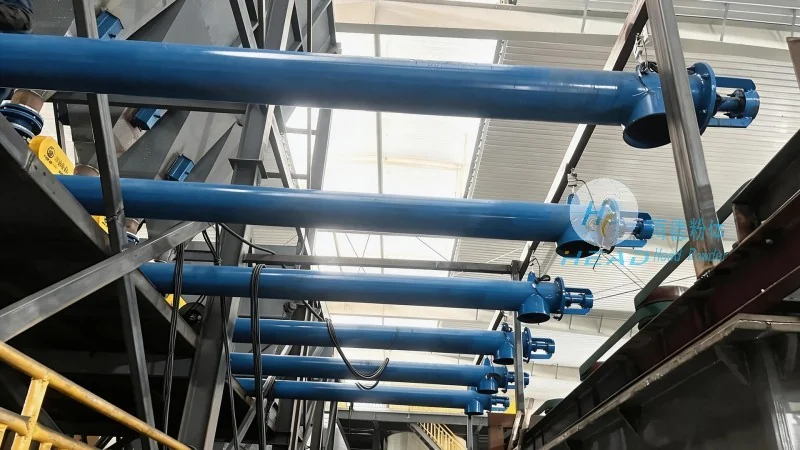
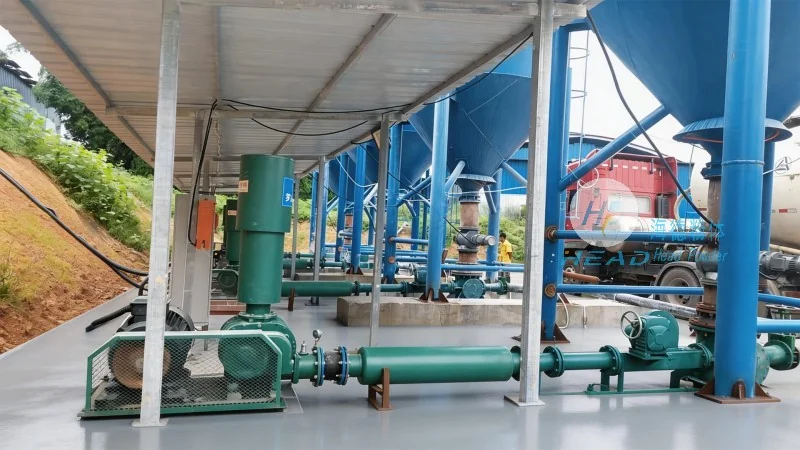
Designing an effective phosphate iron powder pneumatic conveying system involves several critical principles. First, the selection of the right type of conveying system—whether it's a pressure or vacuum system—depends on the material's properties and the distance to be covered. Pressure systems use compressed air to push the powder, while vacuum systems use suction to draw it. For phosphate iron powder, which has specific flow characteristics, a pressure system is often preferred due to its ability to handle higher particle loads and maintain consistent flow rates.
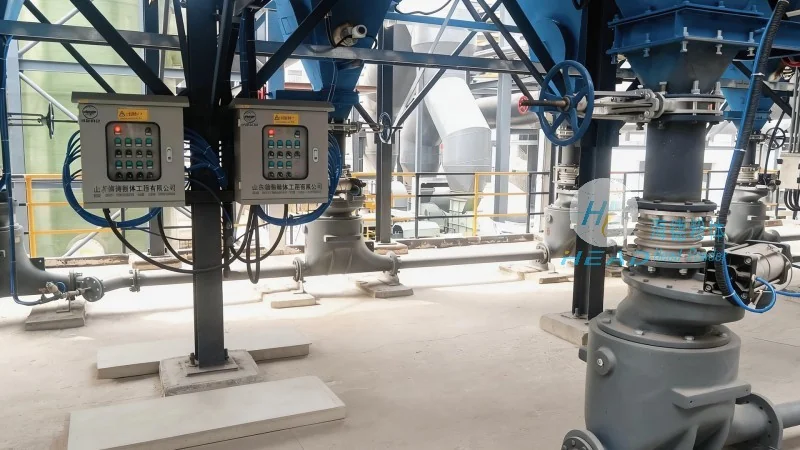
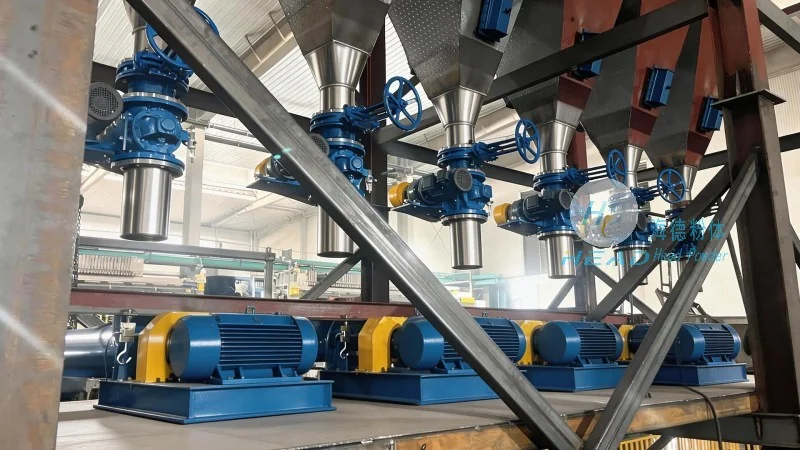
Second, the system's components, including the hopper, feeder, pipeline, and receiver, must be carefully designed to prevent particle degradation and blockages. The hopper is typically equipped with a rotary valve or a star feeder to control the powder flow, ensuring a steady supply to the conveying line. The pipeline diameter and length are optimized to minimize pressure drop and energy consumption. For longer distances, multiple conveying sections with intermediate receivers may be used to maintain efficiency. Additionally, the receiver is designed to separate the powder from the air, often using cyclones or filters, to ensure the material is collected in a clean and dry state.
Key Factors Influencing System Performance
The performance of a phosphate iron powder pneumatic conveying system is influenced by several factors that must be considered during design. Particle size and density are critical, as smaller particles may require higher air velocities to prevent settling or blockages. The moisture content of the powder also affects its flowability; higher moisture levels can lead to agglomeration, which may impact system efficiency. Air velocity is another key parameter, as it must be sufficient to keep the powder in suspension but not so high as to cause excessive wear on the pipeline or equipment. Proper air filtration and moisture control are essential to maintain the quality of the conveyed material and extend the system's lifespan.
Applications and Benefits in Industrial Settings
Phosphate iron powder pneumatic conveying is widely applied in industries such as battery manufacturing, where phosphate iron is used as a cathode material. The system's ability to handle fine powders with minimal contamination is vital for producing high-quality batteries. In addition to battery production, it is used in chemical processing, pharmaceuticals, and food processing industries where precise material handling is required. The benefits of this technology include improved safety by eliminating manual handling, reduced downtime due to fewer mechanical parts, and enhanced product quality by maintaining a clean and controlled environment. Furthermore, the system's flexibility allows for easy integration into existing production lines, making it a cost-effective solution for many industrial applications.