

What is Magnesium Silicate Material Handling Equipment? What Are Its Design Principles?
When it comes to handling magnesium silicate materials, specialized equipment is essential for ensuring efficient and safe operations. This article explores the nature of magnesium silicate material handling equipment and delves into the core design principles that underpin its functionality.
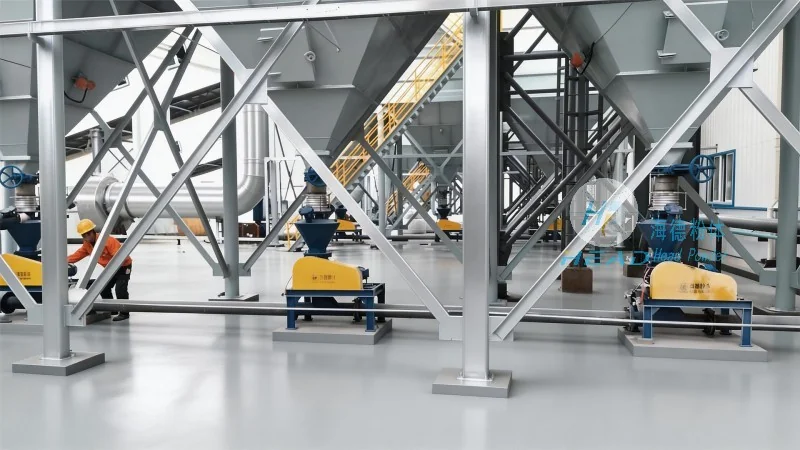
Introduction to Magnesium Silicate Material Handling Equipment
Magnesium silicate, also known as talc or magnesium hydroxide, is a versatile mineral widely used in various industries such as cosmetics, pharmaceuticals, and construction. Handling this material requires equipment that can manage its unique properties, including its fine particle size and low bulk density. The equipment designed for this purpose is tailored to address these characteristics while maintaining operational efficiency and safety standards.
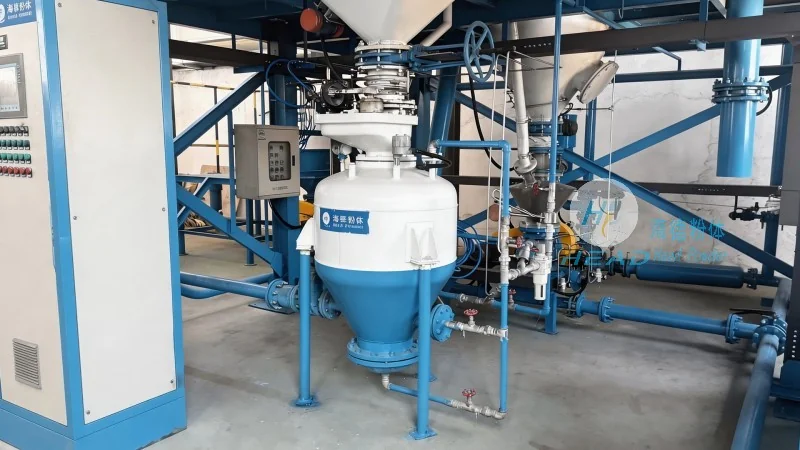
Key Components of Magnesium Silicate Material Handling Systems
Effective magnesium silicate material handling equipment typically consists of several integrated components. These may include feeders, conveyors, storage silos, and processing units. Each component plays a critical role in the overall system, working together to ensure smooth material flow from storage to processing or packaging.
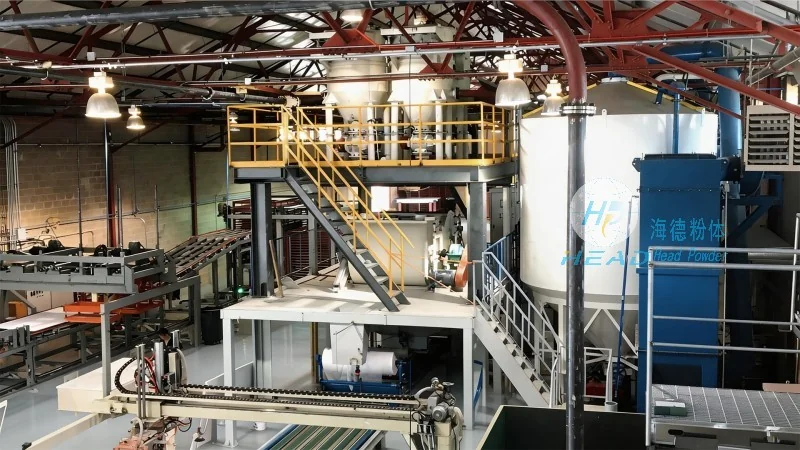
Design Principles for Optimal Performance
The design of magnesium silicate material handling equipment is guided by several key principles aimed at maximizing efficiency and minimizing operational risks. These principles include:
- Low-Pressure Handling: Magnesium silicate is a fine powder that can generate significant dust when handled under high pressure. Therefore, equipment is designed to operate at low pressure to prevent dust generation and maintain material integrity.
- Prevention of Agglomeration: To maintain the free-flowing nature of the material, equipment incorporates features that prevent agglomeration. This includes smooth surfaces, appropriate angles, and sometimes vibration or air-assisted systems to keep particles separated.
- Controlled Flow and Uniform Distribution: Ensuring consistent material flow is crucial for downstream processes. Design elements such as adjustable feed rates, variable speed drives, and uniform distribution mechanisms help achieve this, reducing variability in product quality.
- Easy Cleaning and Maintenance: Given the material's tendency to adhere to surfaces, equipment is designed with easy-to-clean components. This includes removable parts, smooth internal surfaces, and sometimes CIP (Clean-In-Place) systems to maintain hygiene standards.
Application-Specific Design Considerations
While the fundamental design principles apply broadly, equipment may be customized based on specific application requirements. For example, in pharmaceutical applications, equipment must meet stringent GMP (Good Manufacturing Practice) standards, which may involve additional features like enclosed systems, HEPA filtration, and automated controls. In industrial applications, the focus may be on durability and high throughput, with robust construction and heavy-duty components.
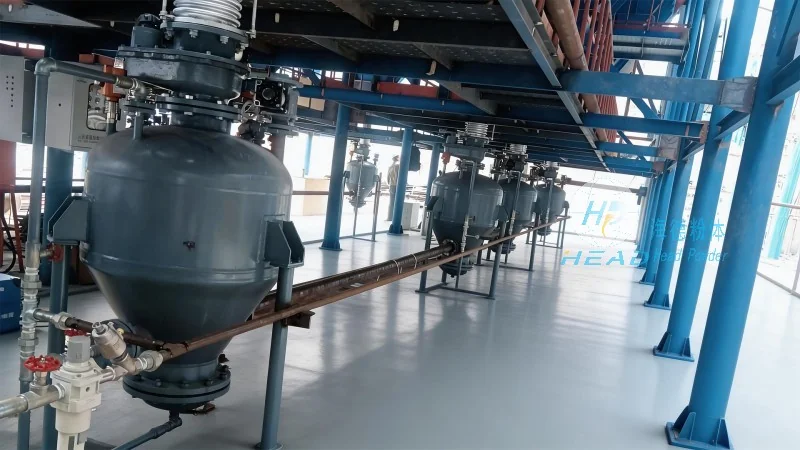
Company Overview: Shandong HeadPowder Engineering Co., Ltd.
HeadPowder, a leading manufacturer in the field, specializes in designing and manufacturing customized material handling solutions for magnesium silicate and other fine powders. With years of experience and a commitment to quality, the company provides equipment that meets the unique needs of its clients while adhering to industry standards. HeadPowder's facilities are located in Shandong, China, where they leverage advanced engineering and manufacturing capabilities to deliver reliable and efficient solutions.