With more than 10‑year industry experience, Shandong Headpowder delivers full‑service pneumatic‑conveying systems and blowers, undertaking nationwide turn‑key powder‑handling projects.
Aluminum turnings are a common byproduct in various industrial processes, such as metal machining and recycling. Efficient handling and transportation of these aluminum turnings are crucial for maintaining productivity and ensuring safety in manufacturing facilities. This article explores the aluminum turnings material handling equipment and delves into its design principles, providing insights into how these systems enhance operational efficiency. The information is presented by Shandong HeadPowder Engineering Co., Ltd., a leading provider of material handling solutions in China, with a focus on aluminum processing and recycling technologies.
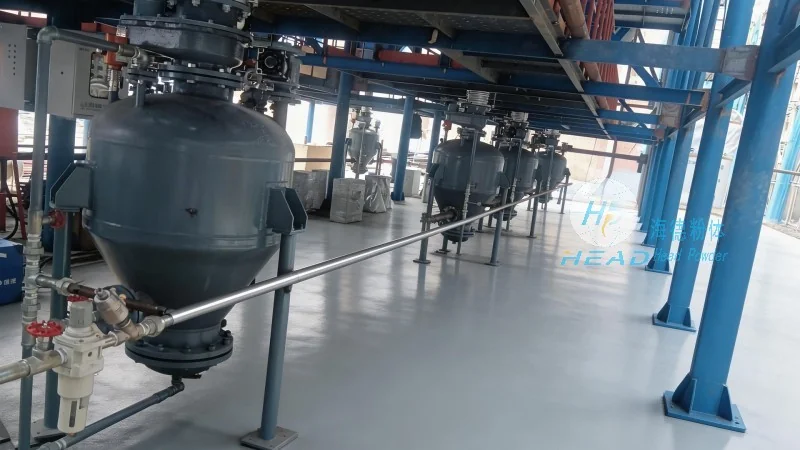
Aluminum turnings material handling equipment is specifically designed to manage the movement, storage, and processing of aluminum turnings. These devices are essential in industries like automotive manufacturing, aerospace, and metal recycling, where aluminum turnings are generated in large quantities. The equipment helps in reducing labor costs, minimizing material loss, and improving overall workflow by automating the handling process. By understanding the components and design principles of such equipment, businesses can optimize their material handling strategies and enhance their production capabilities. As a company based in Shandong, China, HeadPowder Engineering Co., Ltd. specializes in developing customized solutions tailored to the unique needs of aluminum processing facilities.
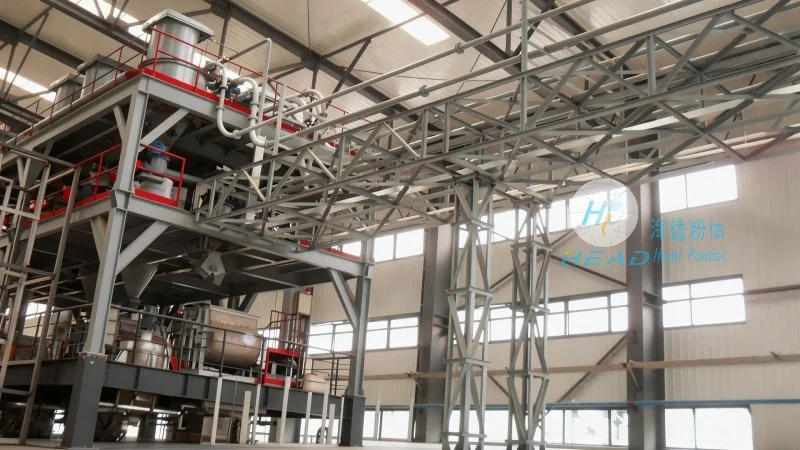
The aluminum turnings material handling equipment typically consists of several key components that work together to facilitate efficient material movement. These components include conveyors, feeders, hoppers, and control systems. Conveyors, such as belt conveyors or screw conveyors, are commonly used to transport aluminum turnings from one location to another. Feeders are used to regulate the flow of material into the conveyor system, ensuring a consistent and controlled feed rate. Hoppers are used for storage and buffering, allowing for temporary storage of aluminum turnings before they are processed or transported further. Control systems, often integrated with sensors and automation technology, monitor the operation of the equipment, ensuring safety and optimal performance. The design of these components is optimized for the characteristics of aluminum turnings, which are lightweight yet can be abrasive, requiring durable and corrosion-resistant materials.
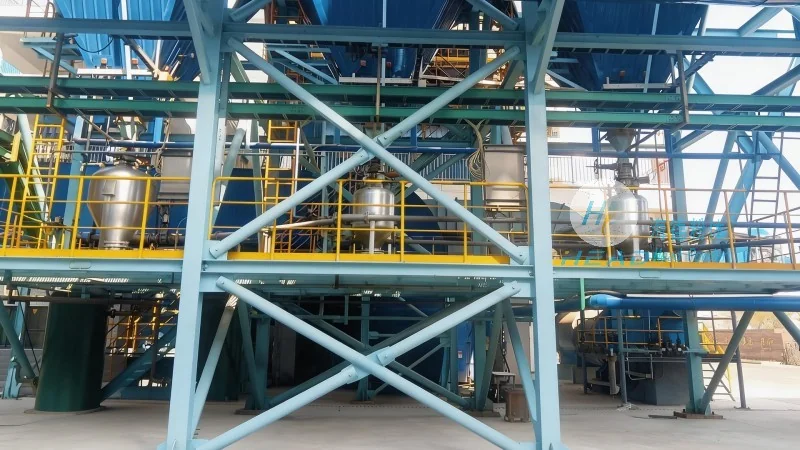
The design of aluminum turnings material handling equipment follows several fundamental principles aimed at maximizing efficiency, safety, and durability. One of the primary design principles is material compatibility. Since aluminum turnings are lightweight and can be abrasive, the equipment must be constructed from materials that can withstand the wear and tear caused by these materials. Stainless steel or corrosion-resistant alloys are often used for components that come into direct contact with aluminum turnings to prevent wear and maintain material integrity. Another key design principle is the consideration of material flow. The equipment is designed to minimize friction and resistance, ensuring smooth and continuous movement of aluminum turnings. This is achieved through the use of smooth surfaces, proper incline angles, and optimized conveyor speeds. Additionally, the design incorporates safety features to protect operators and prevent accidents. This includes guards on moving parts, emergency stop buttons, and overload protection mechanisms. The equipment is also designed for easy maintenance and cleaning, as aluminum turnings can accumulate in hard-to-reach areas, which may affect performance over time. The engineering team at Shandong HeadPowder Engineering Co., Ltd. applies these principles to create robust and reliable systems for aluminum turnings handling.
Aluminum turnings material handling equipment is widely used in various industrial applications. In the automotive industry, it is used to transport aluminum turnings from machining centers to recycling or processing facilities. In aerospace manufacturing, it helps in handling aluminum turnings from aircraft component production lines. The benefits of using such equipment include increased productivity, reduced labor costs, improved safety, and enhanced material recovery rates. By automating the handling process, businesses can achieve higher throughput and minimize the risk of material loss or contamination. Furthermore, the equipment helps in maintaining a clean and organized workspace, which is essential for quality control and regulatory compliance. The design principles discussed earlier contribute to these benefits by ensuring that the equipment operates efficiently and reliably under various conditions. For companies operating in China, particularly in the Shandong province, such equipment is a critical investment to stay competitive in the aluminum processing sector.
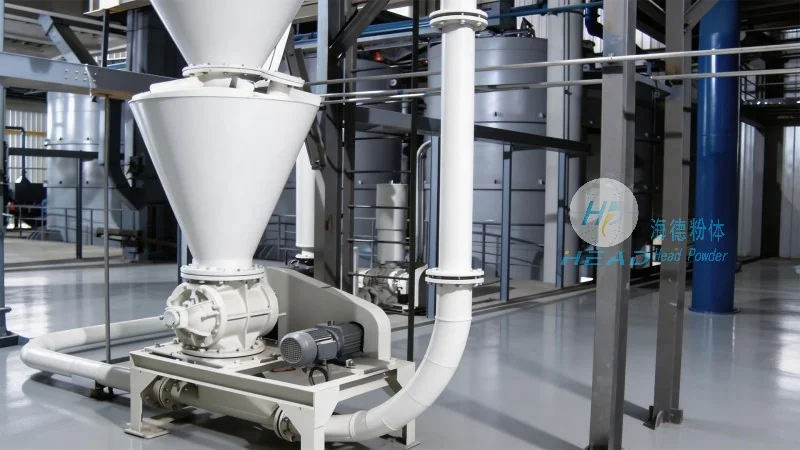
In conclusion, aluminum turnings material handling equipment plays a vital role in modern industrial operations. By understanding its design principles and components, businesses can select and implement the most suitable equipment for their specific needs. The equipment not only improves operational efficiency but also enhances safety and productivity in the workplace. As industries continue to evolve, the importance of efficient material handling systems will only grow, making aluminum turnings material handling equipment an essential investment for any business dealing with aluminum turnings. With proper design and maintenance, these systems can provide long-term benefits and contribute to the overall success of the organization. Shandong HeadPowder Engineering Co., Ltd. remains committed to providing innovative solutions that meet the evolving demands of the aluminum processing industry in China.

 Shandong Headpowder Engineering Co., Ltd.
 156-6277-7102(Manager Zhang)
  0531-83386006
  Zhangqiu District, Jinan City, Shandong Province, China
telephone
WeChatconsult
top