With more than 10‑year industry experience, Shandong Headpowder delivers full‑service pneumatic‑conveying systems and blowers, undertaking nationwide turn‑key powder‑handling projects.
For industries dealing with ceramic powders, the efficient and reliable transport of these fine materials is crucial. Ceramic powder material handling equipment plays a vital role in ensuring smooth production processes, from raw material processing to final product manufacturing. This equipment is specifically designed to handle the unique properties of ceramic powders, such as their fine particle size, high density, and potential for caking or agglomeration. Understanding what this equipment is and its underlying design principles is essential for optimizing material flow and maintaining product quality, as exemplified by the solutions offered by Shandong HeadPowder Engineering Co., Ltd.
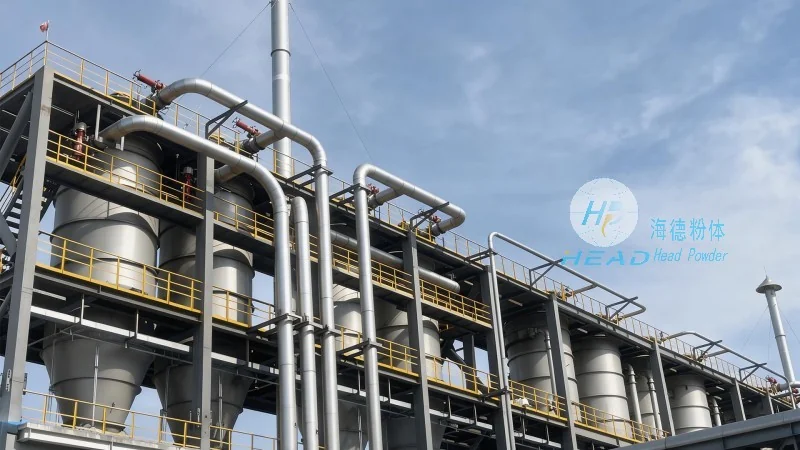
Ceramic powder material handling equipment refers to a range of machinery and systems engineered to transport, store, and manage ceramic powders. These materials are commonly used in various industries, including ceramics, electronics, pharmaceuticals, and aerospace. The equipment is designed to address the challenges associated with handling fine powders, such as dust generation, material segregation, and the risk of equipment wear due to abrasive particles. By using specialized components and control systems, these devices ensure that ceramic powders are moved safely and efficiently through production lines.
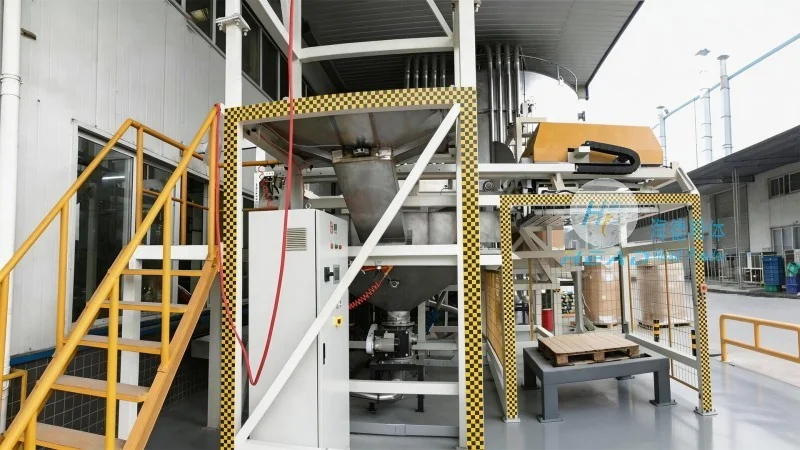
The design of ceramic powder material handling equipment is based on several key principles to ensure optimal performance. One of the primary considerations is the prevention of material degradation and contamination. This is achieved through the use of materials that are resistant to corrosion and wear, such as stainless steel or specialized alloys. The equipment also incorporates features to minimize dust exposure, including sealed systems and filtration mechanisms. Additionally, the design focuses on maintaining consistent flow rates and preventing clogging, which can be common issues with fine powders. The integration of sensors and control systems allows for real-time monitoring and adjustment of the material flow, ensuring that the equipment operates at peak efficiency.
Modern ceramic powder material handling equipment often includes several advanced features that enhance its performance. For instance, some systems utilize pneumatic conveying methods, which use air pressure to move powders through pipelines. This approach is particularly effective for handling powders that are difficult to transport mechanically. Other equipment may incorporate vibratory feeders or screw conveyors to ensure uniform material movement. The design also emphasizes ease of maintenance and cleaning, as ceramic powders can adhere to surfaces and require regular upkeep. Additionally, the equipment is often equipped with safety features to protect operators from dust and other hazards associated with powder handling.

Ceramic powder material handling equipment is widely used in various industrial applications. In the ceramics industry, these systems are essential for transporting raw materials to kilns and processing lines. In electronics manufacturing, they are used to handle powders for components like capacitors and semiconductors. The benefits of using such equipment include improved production efficiency, reduced material waste, and enhanced product quality. By ensuring that ceramic powders are handled correctly, manufacturers can minimize the risk of defects and maintain consistent product characteristics. Furthermore, the use of advanced equipment can lead to lower operational costs over time, as it reduces the need for manual handling and minimizes equipment downtime.

 Shandong Headpowder Engineering Co., Ltd.
 156-6277-7102(Manager Zhang)
  0531-83386006
  Zhangqiu District, Jinan City, Shandong Province, China
telephone
WeChatconsult
top