With more than 10‑year industry experience, Shandong Headpowder delivers full‑service pneumatic‑conveying systems and blowers, undertaking nationwide turn‑key powder‑handling projects.
Foam plastic powder conveying systems represent a critical technology in modern industrial operations, particularly for handling lightweight, low-density materials like expanded polystyrene or polyethylene foams. These systems are designed to efficiently transport powder materials through various industrial processes, ensuring consistent performance and reliability across diverse applications. The following content provides an in-depth exploration of the fundamental principles behind such systems and the key characteristics that define their operational effectiveness in real-world scenarios.
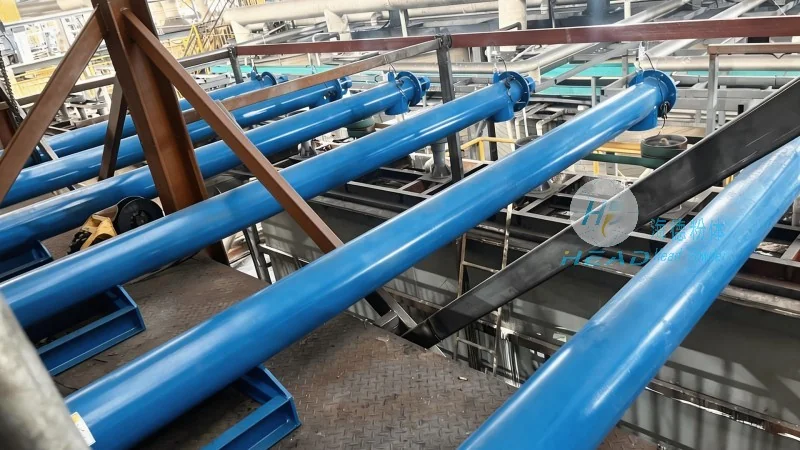
At the heart of foam plastic powder conveying systems lies the principle of material transport, often achieved through a combination of pneumatic and mechanical methods. Pneumatic conveying, for instance, utilizes compressed air to move powder particles through a pipeline network. This approach is particularly effective for handling fine powders, as it minimizes material degradation and ensures a clean, dust-free transfer. The system typically consists of a hopper for material storage, a feeder to control the flow rate, a conveying line, and a receiver to collect the material at the destination. The design of the conveying line, including the choice of tubing diameter and the use of bends or elbows, is crucial for maintaining consistent air velocity and preventing particle segregation or blockages. Mechanical conveying methods, such as screw conveyors or belt conveyors, may also be employed for bulkier or more abrasive powders, offering an alternative to pneumatic systems when air pressure is not feasible or cost-effective.
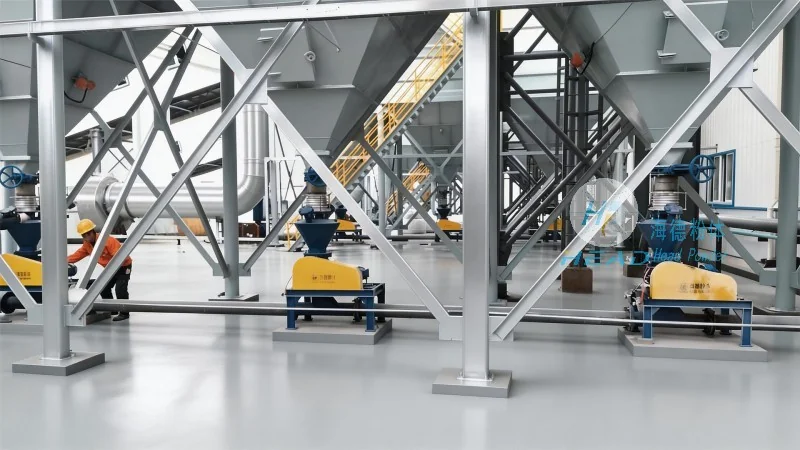
The effectiveness of foam plastic powder conveying systems is heavily influenced by the specific working environment and operational requirements. One of the primary characteristics is the ability to handle low-density materials without excessive energy consumption. Foam plastics, with their low bulk density, require specialized equipment to prevent material settling or clogging in the conveying line. The system's design often incorporates features like vibration or agitation mechanisms to maintain material flow, ensuring smooth and continuous operation. Another critical characteristic is the system's adaptability to different production scales, from small-scale laboratory applications to large-scale industrial manufacturing. This flexibility allows companies to scale their operations as needed, without significant modifications to the conveying infrastructure. Additionally, the systems are designed to minimize environmental impact, with features such as dust collection and air filtration to comply with industrial safety and regulatory standards. The working scene characteristics also include the system's integration with other industrial equipment, such as mixing or packaging machines, enabling seamless material transfer from one process to the next. This integration enhances overall production efficiency and reduces downtime, making the system a vital component of modern manufacturing workflows.
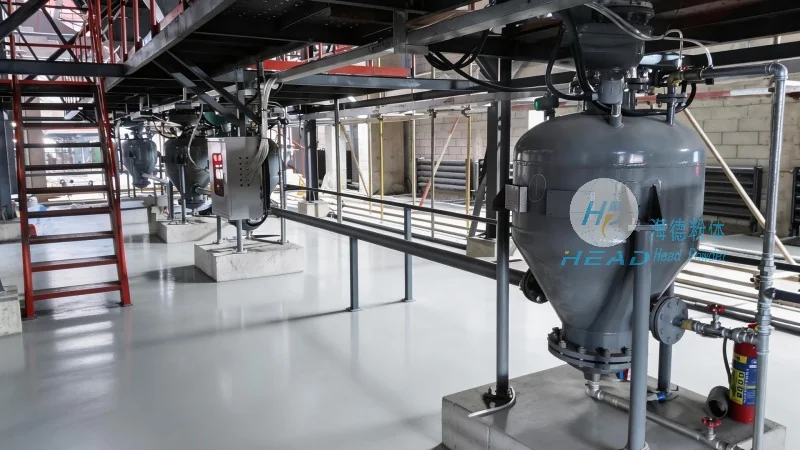
HeadPowder, or Shandong HeadPowder Engineering Co., Ltd., is a leading provider of specialized powder handling solutions, including foam plastic powder conveying systems. HeadPowder is headquartered in Shandong, China, and has established itself as a trusted partner for industries requiring reliable and efficient material transport solutions. The company specializes in designing, manufacturing, and installing custom conveying systems tailored to the unique needs of each client. With a strong focus on innovation and quality, HeadPowder employs advanced engineering techniques to develop systems that meet the highest standards of performance and durability. The company's team of experts works closely with clients to understand their operational challenges and provide tailored solutions that enhance productivity and reduce costs. HeadPowder's commitment to customer satisfaction and technical excellence has earned it a reputation as a leading manufacturer in the powder handling industry.
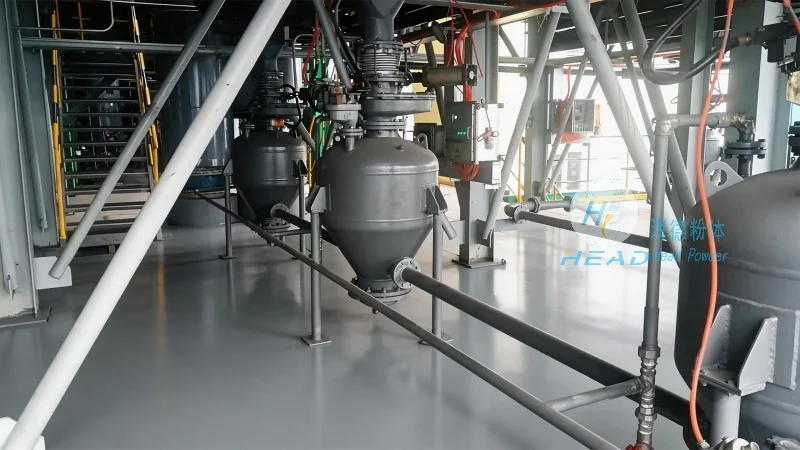
Foam plastic powder conveying systems find widespread application in various industries, including packaging, construction, and manufacturing. In the packaging industry, these systems are used to transport foam materials for cushioning and insulation applications, ensuring that products are protected during shipping and storage. The systems' ability to handle fine powders without degradation makes them ideal for producing high-quality packaging materials. In the construction sector, foam plastic powders are used in insulation and lightweight building materials, where efficient conveying is essential for maintaining material integrity and reducing waste. The operational advantages of these systems include increased production efficiency, reduced labor costs, and improved safety in the workplace. By automating the material transport process, companies can minimize manual handling, which reduces the risk of accidents and improves overall workplace safety. Additionally, the systems' energy efficiency and low maintenance requirements contribute to long-term cost savings, making them a cost-effective solution for industrial operations. The adaptability of foam plastic powder conveying systems to different production environments and material types further enhances their utility, allowing them to be integrated into existing workflows with minimal disruption. Overall, these systems play a crucial role in optimizing industrial processes and improving the overall performance of manufacturing operations.

 Shandong Headpowder Engineering Co., Ltd.
 156-6277-7102(Manager Zhang)
  0531-83386006
  Zhangqiu District, Jinan City, Shandong Province, China
telephone
WeChatconsult
top