With more than 10‑year industry experience, Shandong Headpowder delivers full‑service pneumatic‑conveying systems and blowers, undertaking nationwide turn‑key powder‑handling projects.
Wood dust material handling equipment is a specialized system designed to transport and manage wood dust, a fine particulate byproduct commonly generated in woodworking, sawmilling, and related industries. These systems are crucial for maintaining operational efficiency, ensuring workplace safety, and complying with environmental regulations. The design principles behind such equipment are rooted in the physical properties of wood dust, including its low bulk density, high moisture content variability, and tendency to create dust clouds that can pose health and safety risks. Understanding these principles is essential for selecting and implementing effective material handling solutions.

Shandong HeadPowder Engineering Co., Ltd., operating under the brand name HeadPowder, specializes in the design, manufacturing, and supply of advanced material handling equipment tailored for wood dust and similar fine particulate materials. With a focus on innovation and adherence to industry standards, HeadPowder has established itself as a trusted provider in the field. The company’s headquarters is located in Shandong, China, where it leverages local expertise and resources to develop cutting-edge solutions for its global clientele.
Wood dust material handling equipment encompasses a range of machinery and systems engineered to handle wood dust from its generation point to its final destination, such as storage silos, processing units, or disposal facilities. Key components typically include dust collection systems, conveyors, and control mechanisms. The primary goal is to capture dust at the source, transport it efficiently, and minimize the risk of airborne exposure and environmental contamination. These systems are designed to handle the unique challenges posed by wood dust, including its abrasive nature and potential for spontaneous combustion under certain conditions.
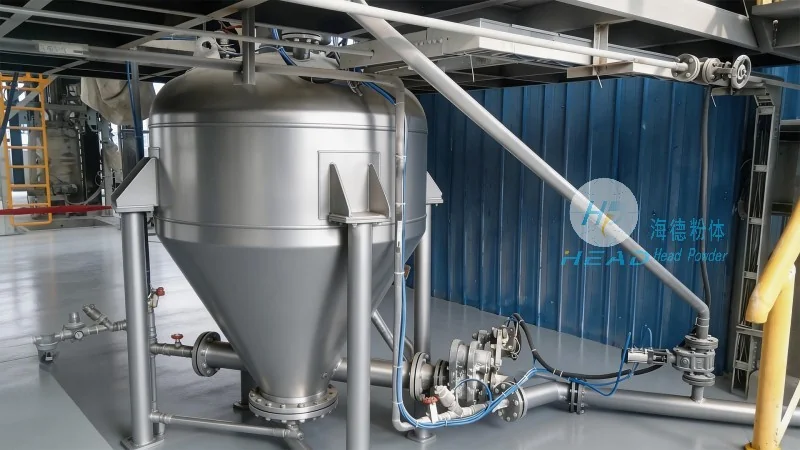
The design of wood dust material handling equipment is guided by several critical principles aimed at optimizing performance, safety, and reliability. First, the equipment must effectively capture dust at the source to prevent it from dispersing into the air. This often involves the use of high-efficiency dust collectors, such as cyclone separators or baghouse filters, which are integrated with the conveyor system. Second, the design must consider the physical properties of wood dust, including its low bulk density, which may require specialized conveyor designs like pneumatic or mechanical systems to ensure consistent flow. Third, safety is paramount, as wood dust is a combustible material. Therefore, equipment is engineered with explosion-proof features and fire suppression systems to mitigate risks. Additionally, the design must prioritize ease of maintenance and cleaning to prevent clogging and ensure long-term operational efficiency.
Wood dust material handling systems typically consist of several interconnected components, each playing a vital role in the overall process. The dust collection system, often the first stage, captures wood dust at the point of generation, such as sawdust from a cutting machine or wood shavings from a planer. This is usually achieved through an air filtration system that draws in the dust-laden air and separates the particulate matter from the air stream. The collected dust is then transferred to a conveyor system, which may be a belt conveyor, screw conveyor, or pneumatic conveyor, depending on the application. The conveyor transports the dust to a storage or processing unit. Control mechanisms, including sensors and valves, regulate the flow of dust and air, ensuring smooth operation and preventing overloading or blockages. Finally, the system may include a dust suppression system to manage any residual dust emissions, further enhancing safety and compliance.
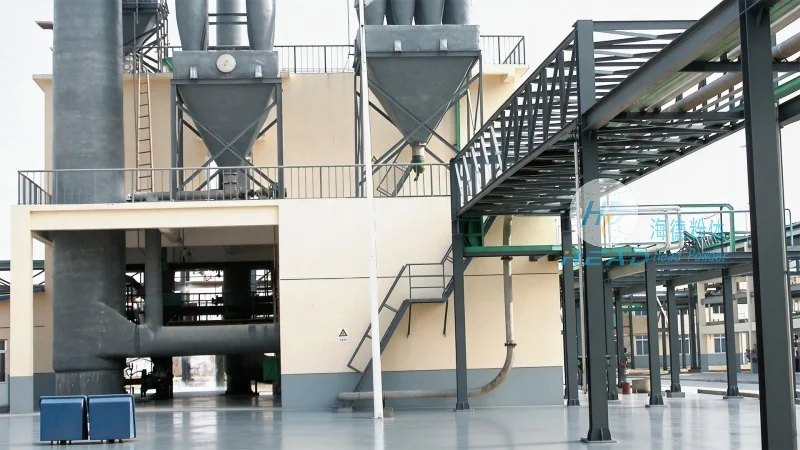
Wood dust material handling equipment is widely used across various industries that generate wood dust as a byproduct. The primary applications include woodworking and furniture manufacturing, where sawdust and wood shavings are produced during cutting, shaping, and finishing processes. In the sawmilling industry, these systems are essential for handling sawdust from log processing and board manufacturing. Additionally, they are used in the production of wood-based panels, such as particleboard and MDF, where fine wood particles are a key raw material. The equipment is also applicable in the recycling and waste management sectors, where wood dust is collected and processed for reuse or disposal. By effectively managing wood dust, these industries can improve productivity, reduce waste, and maintain a safe working environment.

Modern wood dust material handling equipment offers several advantages over traditional methods, making them more effective and efficient. One key benefit is the reduction in airborne dust, which improves worker health and compliance with occupational safety standards. By capturing dust at the source, these systems minimize the risk of respiratory illnesses and other health issues associated with prolonged exposure to wood dust. Another advantage is the improved operational efficiency, as the equipment ensures consistent and reliable transport of wood dust, reducing downtime caused by clogging or blockages. Advanced systems also incorporate automation and control features, allowing for real-time monitoring and adjustment of the process. This enhances overall system performance and reduces the need for manual intervention. Furthermore, the use of durable materials and robust designs ensures long-term reliability, minimizing maintenance costs and extending the equipment's service life.
Wood dust material handling equipment is a critical component in industries that rely on wood processing, providing an effective solution for managing the challenges posed by wood dust. The design principles behind these systems focus on capturing dust at the source, utilizing appropriate conveyor technologies, and incorporating safety features to mitigate risks. Companies like Shandong HeadPowder Engineering Co., Ltd. play a vital role in developing and supplying such equipment, helping businesses maintain productivity, ensure workplace safety, and comply with environmental regulations. As the demand for efficient wood processing continues to grow, the importance of advanced material handling solutions will only increase, making them an essential investment for any wood-based industry.

 Shandong Headpowder Engineering Co., Ltd.
 156-6277-7102(Manager Zhang)
  0531-83386006
  Zhangqiu District, Jinan City, Shandong Province, China
telephone
WeChatconsult
top