With more than 10‑year industry experience, Shandong Headpowder delivers full‑service pneumatic‑conveying systems and blowers, undertaking nationwide turn‑key powder‑handling projects.
Steel and lime powder handling systems are critical components in industrial processes, particularly within the steel manufacturing sector. These systems are engineered to efficiently transport and manage powders such as lime, which is commonly used in steelmaking for desulfurization and other chemical reactions. Understanding the functionality and design principles of such systems is essential for optimizing industrial operations and ensuring safety and efficiency in material handling.
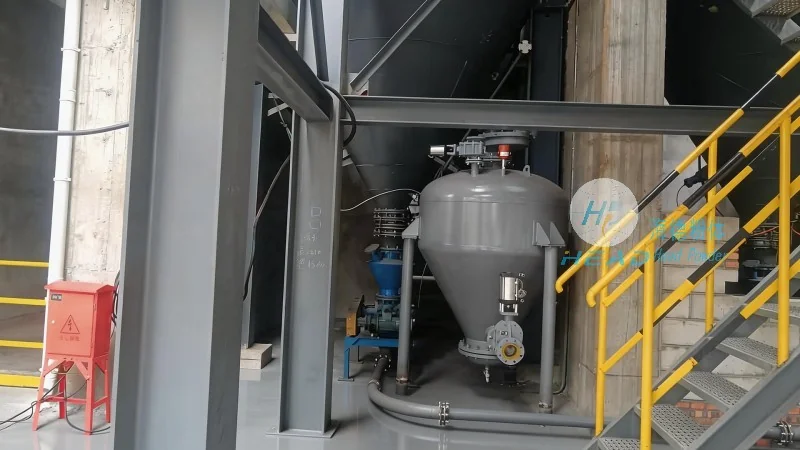
A steel and lime powder handling system typically consists of several key components, including feeders, conveyors, storage silos, and control systems. The primary function of these systems is to transport lime powder from storage areas to the points of use in steel production, such as blast furnaces or ladle treatment stations. The design of these systems must consider factors like material properties, flow characteristics, and the need for dust control to prevent environmental contamination and ensure worker safety.
1. Storage Silos: These are large, airtight containers designed to store bulk quantities of lime powder. Silos are equipped with aeration systems to prevent caking and maintain material flowability. The design of the silo, including its shape and internal lining, is crucial for preventing material degradation and ensuring consistent discharge.
2. Feeders: Feeders are used to control the flow rate of lime powder from the silo to the conveyor system. Common types include rotary feeders, vibratory feeders, and screw feeders. The choice of feeder depends on the material's properties, such as bulk density and flowability. Proper feeder selection is vital to maintain a stable and consistent flow, which is essential for downstream processing.
3. Conveyors: Conveyors are the core transport mechanism in the system. They can be categorized into different types, including pneumatic conveying systems (air-assisted) and mechanical conveyors (e.g., belt conveyors, bucket elevators). Pneumatic systems are often preferred for handling fine powders like lime due to their ability to transport materials over long distances with minimal dust generation. Mechanical conveyors, on the other hand, are suitable for bulkier materials or when a closed system is not required.
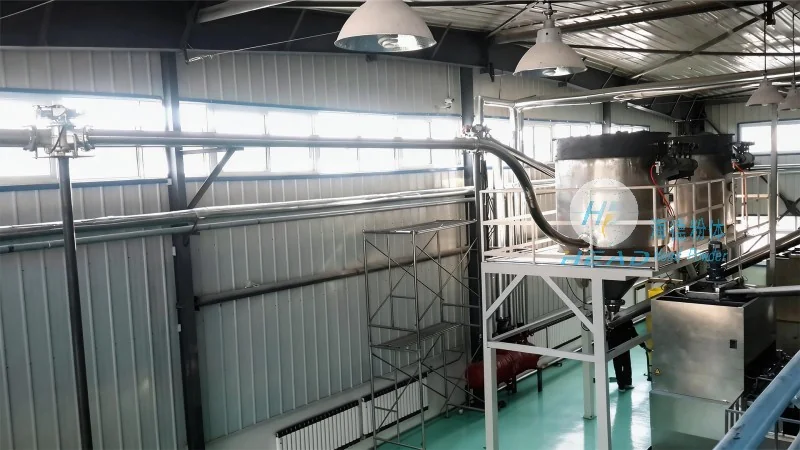
4. Control Systems: Modern steel and lime powder handling systems are equipped with advanced control systems that monitor and regulate the entire process. These systems use sensors to detect material levels in silos, flow rates from feeders, and conveyor performance. The control system ensures that the system operates efficiently, preventing overfilling or underfilling, and alerts operators to any abnormalities or maintenance needs.
The design of a steel and lime powder handling system is guided by several key principles to ensure optimal performance and reliability. These principles include:
1. Material Compatibility: The system components must be compatible with the chemical and physical properties of lime powder. For instance, the materials used in silos and feeders should resist corrosion and abrasion caused by the powder. Stainless steel or special alloys are often used for parts that come into direct contact with the material.
2. Dust Control: Effective dust suppression is a critical design consideration. Systems typically incorporate dust collection systems, such as baghouses or cyclones, to capture and filter airborne particles. This not only protects the environment but also prevents dust accumulation, which can lead to equipment failure or safety hazards.
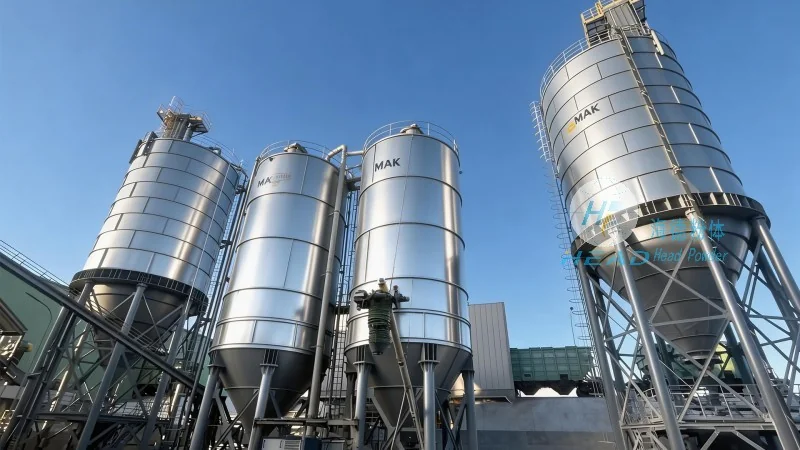
3. Flow Optimization: Proper design ensures that the powder flows smoothly and consistently through the system. This involves considering factors like the silo's hopper design, the feeder's speed, and the conveyor's inclination. Poor flow can result in blockages, which can halt production and cause costly downtime.
4. Safety and Maintenance: Safety is a top priority in industrial powder handling. The system design includes features like explosion-proof components, emergency shut-off valves, and access points for maintenance. Regular maintenance is essential to ensure the system operates at peak efficiency and to prevent unexpected failures.
Steel and lime powder handling systems are widely used in various stages of steel production. In the blast furnace process, lime is added to the furnace to adjust the slag composition, which helps remove impurities like sulfur and phosphorus from the iron ore. In ladle treatment, lime is used for desulfurization and refining of molten steel. The efficiency of these systems directly impacts the quality of the final steel product and the overall productivity of the plant.
Steel and lime powder handling systems are sophisticated industrial solutions that play a vital role in modern steel manufacturing. By understanding the design principles and key components, industries can optimize their operations, enhance safety, and improve overall efficiency. Companies like Shandong HeadPowder Engineering Co., Ltd., based in China, specialize in the design, manufacturing, and installation of such systems, providing tailored solutions to meet the specific needs of their clients.

 Shandong Headpowder Engineering Co., Ltd.
 156-6277-7102(Manager Zhang)
  0531-83386006
  Zhangqiu District, Jinan City, Shandong Province, China
telephone
WeChatconsult
top