With more than 10‑year industry experience, Shandong Headpowder delivers full‑service pneumatic‑conveying systems and blowers, undertaking nationwide turn‑key powder‑handling projects.
Chlorinated polyethylene (CPE) is a versatile polymer widely used in various industrial applications due to its excellent chemical resistance, flexibility, and durability. When handling CPE materials, selecting the appropriate conveying method is crucial to ensure efficient and safe material transport. This article provides a detailed comparison of common CPE conveying methods, highlighting their advantages and disadvantages to help industrial operators make informed decisions.
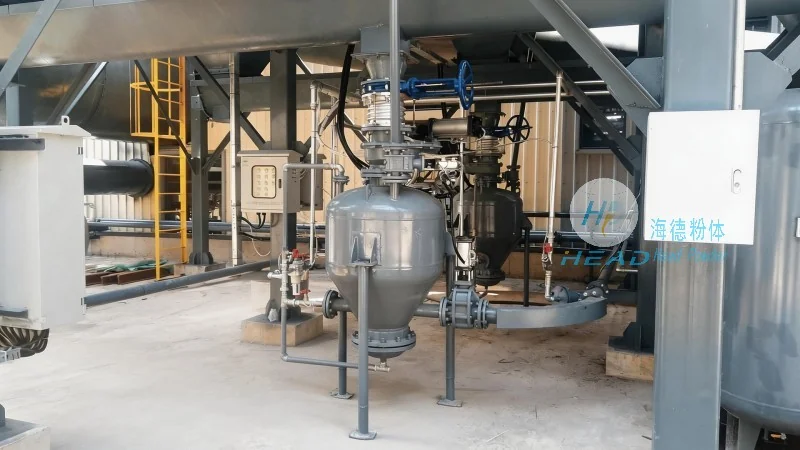
Shandong HeadPowder Engineering Co., Ltd., a leading manufacturer in the field of polymer processing equipment, specializes in providing high-quality solutions for material handling and processing. With a strong commitment to innovation and customer satisfaction, HeadPowder offers reliable equipment tailored to meet the specific needs of industrial applications. The company is headquartered in Shandong, China, and serves clients globally with expertise in polymer engineering and material transport systems.
Pneumatic conveying systems utilize air or other gases to transport CPE particles through a pipeline. This method is ideal for handling fine or powdery CPE materials and offers several advantages, including high transport efficiency, ability to convey materials over long distances, and minimal product contamination. However, pneumatic systems require significant energy input to maintain air pressure, and they may not be suitable for abrasive or heavy CPE particles due to potential wear on the system components. Additionally, the system design must account for air leakage and pressure fluctuations to ensure consistent performance.
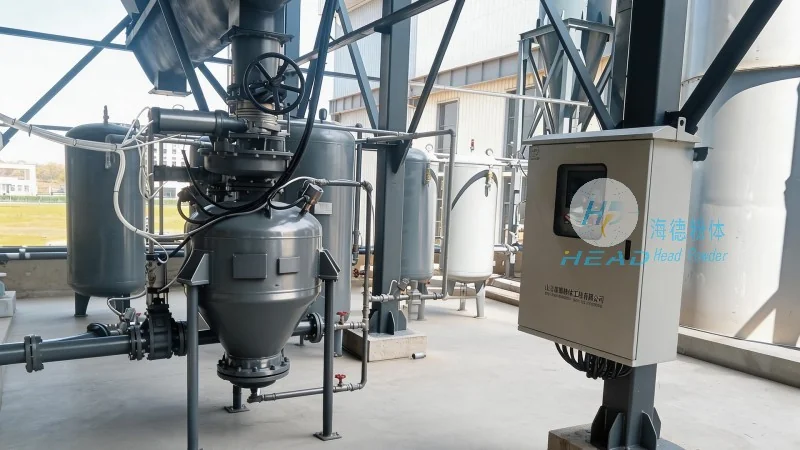
Belt conveyors are a traditional and widely used method for transporting bulk CPE materials. These systems consist of a continuous belt that moves material from the loading point to the discharge point. Belt conveyors offer advantages such as high capacity, low maintenance costs, and the ability to handle a wide range of CPE particle sizes. They are particularly effective for horizontal or slightly inclined transport and can be integrated with other processing equipment. The main disadvantages include the need for regular belt replacement, potential for material spillage at transfer points, and limited ability to handle vertical lifts without additional equipment. Furthermore, belt conveyors may not be suitable for very fine CPE powders due to the risk of material buildup and belt slippage.
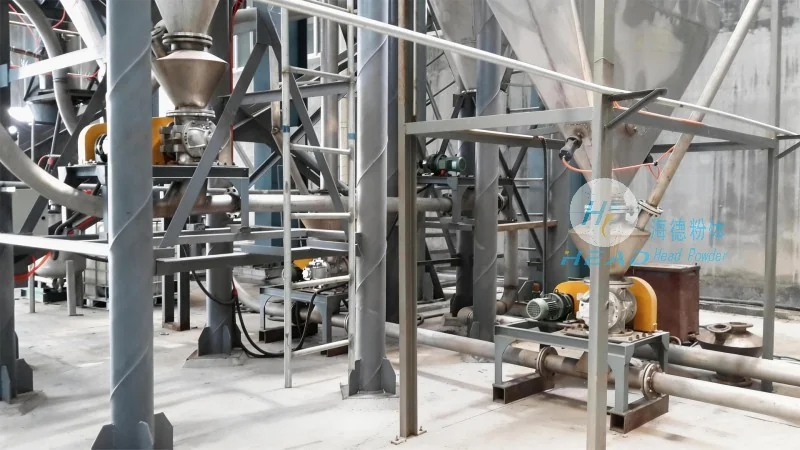
Screw conveyors, also known as auger conveyors, use a rotating screw to move CPE materials through a trough. This method is suitable for both dry and slightly moist CPE materials and offers advantages such as compact design, low power consumption, and the ability to handle vertical and horizontal transport. Screw conveyors are particularly effective for materials with moderate bulk density and can be easily integrated into existing processing lines. However, they have limitations when handling abrasive or sticky CPE particles, as the screw and trough may experience wear and clogging. Additionally, the system may not be suitable for very fine powders, as the screw design can cause material segregation and uneven flow.
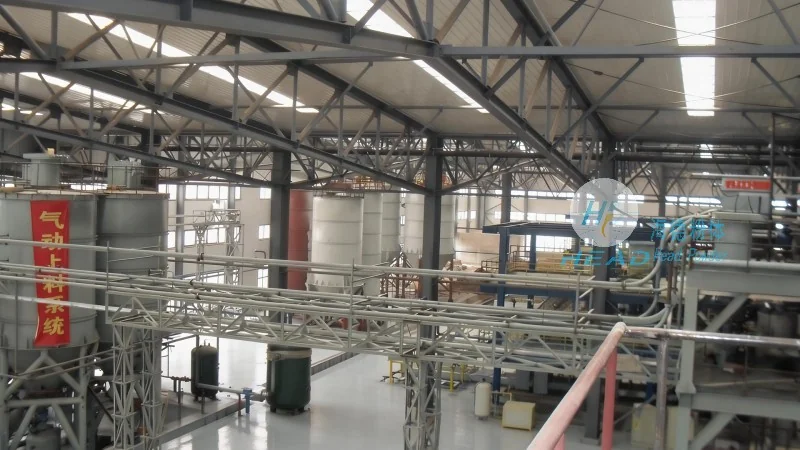
Pumping systems, including positive displacement pumps and centrifugal pumps, are used to transport CPE slurries or liquids. This method is ideal for handling CPE materials in liquid or slurry form and offers advantages such as high flow rates, ability to transport materials over long distances, and minimal product degradation. However, pumping systems require careful consideration of the material's viscosity and abrasiveness to prevent pump wear and clogging. The selection of pump type is critical, as improper pump selection can lead to increased maintenance costs and reduced system efficiency. Additionally, pumping systems may not be suitable for dry CPE materials and require additional equipment for material preparation.
Choosing the appropriate CPE conveying method depends on several factors, including the material's properties, transport distance, required capacity, and budget constraints. Pneumatic systems excel in handling fine powders over long distances but require high energy input. Belt conveyors offer high capacity and low maintenance for bulk materials but may have spillage issues. Screw conveyors provide compact and efficient transport for moderate bulk densities but are limited by material abrasiveness. Pumping systems are ideal for liquid or slurry transport but require careful pump selection. Industrial operators should evaluate these factors and consider the specific requirements of their application to select the most suitable CPE conveying method. Shandong HeadPowder Engineering Co., Ltd. offers a range of conveying equipment solutions tailored to meet these diverse needs, ensuring efficient and reliable material transport for CPE applications.

 Shandong Headpowder Engineering Co., Ltd.
 156-6277-7102(Manager Zhang)
  0531-83386006
  Zhangqiu District, Jinan City, Shandong Province, China
telephone
WeChatconsult
top