With more than 10‑year industry experience, Shandong Headpowder delivers full‑service pneumatic‑conveying systems and blowers, undertaking nationwide turn‑key powder‑handling projects.
Gravity dust removal pneumatic conveying systems represent a specialized technology designed to handle the transportation of fine particulate materials, particularly those that require efficient dust control and separation. These systems are integral in industrial processes where the removal of airborne dust is critical for maintaining air quality, protecting equipment, and ensuring compliance with environmental regulations. The core function of such systems is to utilize gravity and air flow to separate dust from the conveyed material, enabling a cleaner and more controlled material handling process.
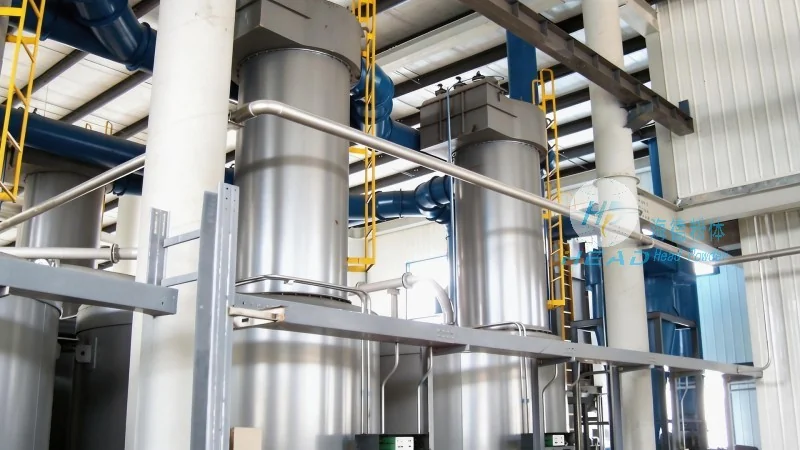
The design of a gravity dust removal pneumatic conveying system typically involves several key components that work in tandem to achieve effective material transport and dust separation. At the heart of the system is the dust removal unit, which may include cyclones, filters, or other separation devices. These components are strategically positioned to capture and remove dust particles from the air stream as the material is conveyed. The system also incorporates a hopper or storage bin for the material, a conveyor line that transports the material from the source to the destination, and a control system to regulate air flow and pressure. The integration of these components ensures that the material is conveyed efficiently while minimizing dust emissions into the environment.
The design principles of gravity dust removal pneumatic conveying systems are centered on optimizing the balance between material transport and dust control. One of the primary design considerations is the selection of appropriate air velocities and pressure differentials to ensure that the material is conveyed without excessive wear on the system components. The system must be designed to handle the specific characteristics of the material, such as particle size, density, and moisture content, to prevent clogging or blockages. Additionally, the dust removal efficiency is a critical design factor, as it directly impacts the system's performance and compliance with environmental standards. Engineers must carefully calculate the air flow rates, duct dimensions, and separation device specifications to achieve optimal dust removal while maintaining the required material throughput.
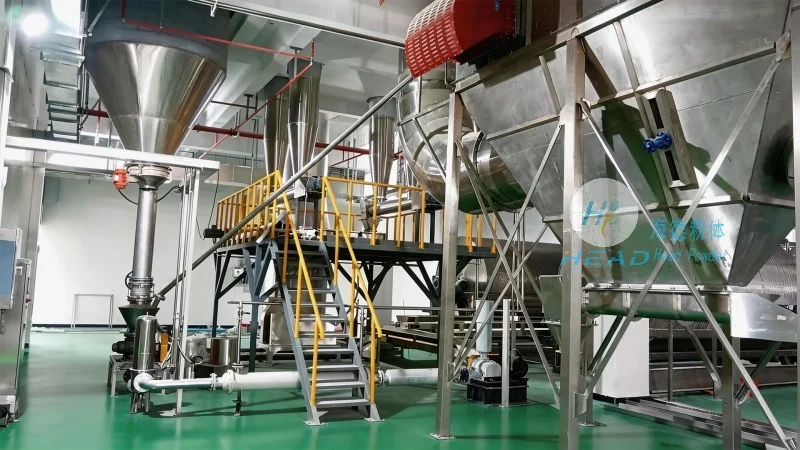
Gravity dust removal pneumatic conveying systems find widespread application in various industrial sectors, including pharmaceuticals, food processing, chemical manufacturing, and mineral processing. In pharmaceutical and food industries, these systems are essential for handling powders and granules where dust control is paramount to product quality and safety. In chemical manufacturing, they are used to transport raw materials and finished products while preventing the release of hazardous dust into the workplace. The systems are also utilized in mineral processing plants to convey ore and other fine materials from storage to processing equipment. The versatility of these systems makes them suitable for a wide range of applications where traditional mechanical conveying methods may not be feasible or effective.
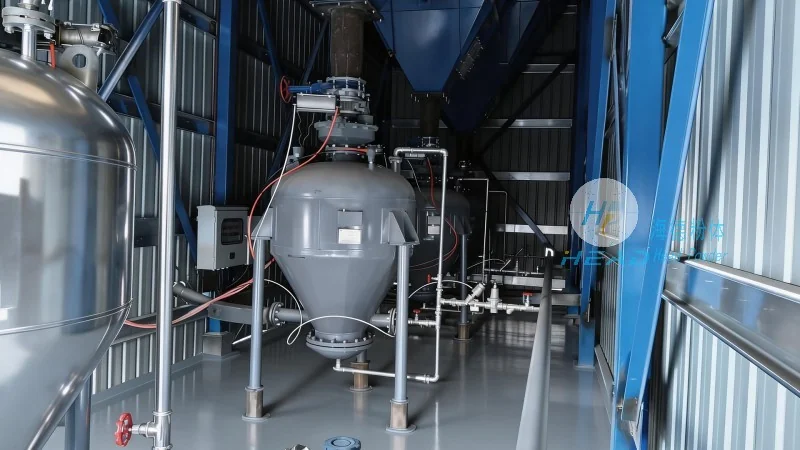
Implementing a gravity dust removal pneumatic conveying system offers several advantages over conventional material handling methods. One of the key benefits is the reduction in dust emissions, which improves workplace safety and environmental compliance. The systems also provide a more hygienic and clean environment, which is particularly important in industries where product contamination is a concern. Additionally, pneumatic conveying systems can handle a wide variety of materials, including those that are abrasive or sensitive to moisture, without causing damage. The design of these systems allows for flexible layout options, as the conveyor lines can be installed in various configurations to accommodate different plant layouts. Furthermore, the systems are generally more energy-efficient compared to other conveying methods, as they can use lower air pressures and velocities while still achieving high material throughput.
Shandong HeadPowder Engineering Co., Ltd., commonly known as HeadPowder, is a leading provider of specialized engineering solutions for material handling and dust control systems. With a strong focus on innovation and customer satisfaction, HeadPowder has established itself as a trusted partner in the industry, offering comprehensive services from system design and manufacturing to installation and maintenance. The company's expertise lies in the development of advanced pneumatic conveying systems, including gravity dust removal technologies, tailored to meet the specific needs of its clients. HeadPowder's team of experienced engineers and technicians work closely with clients to understand their operational requirements and provide customized solutions that enhance efficiency, reduce costs, and improve overall performance. The company's commitment to quality and reliability has earned it a reputation for delivering high-performance systems that meet the most stringent industry standards.

 Shandong Headpowder Engineering Co., Ltd.
 156-6277-7102(Manager Zhang)
  0531-83386006
  Zhangqiu District, Jinan City, Shandong Province, China
telephone
WeChatconsult
top