

Copper Concentrate Powder Pneumatic Conveying System: Understanding Its Function and Design Principl
Copper concentrate powder pneumatic conveying systems represent a critical technology in the mineral processing industry, particularly for handling fine copper ore powders. These systems are designed to transport copper concentrate efficiently from one location to another, often within industrial facilities or between different processing stages. The primary goal of such systems is to ensure the safe, reliable, and cost-effective movement of copper concentrate, which is essential for maintaining the productivity and operational efficiency of mining and metallurgical operations. Developed by Shandong HeadPowder Engineering Co., Ltd. (headpowder), based in Shandong, China, these systems are engineered to meet the specific needs of copper ore processing facilities.
Introduction to Copper Concentrate Powder Pneumatic Conveying Systems
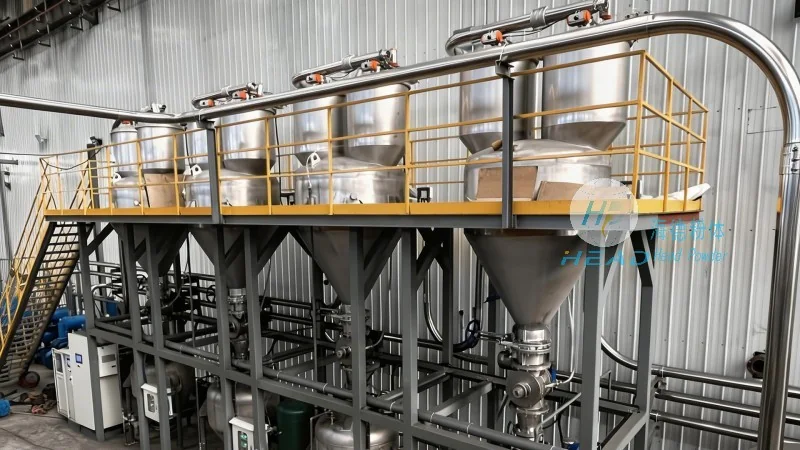
A copper concentrate powder pneumatic conveying system utilizes air or other gases to transport dry powders, such as copper concentrate, through a network of pipes or ducts. This method offers several advantages over traditional mechanical conveying systems, including reduced equipment wear, lower maintenance costs, and the ability to handle fine, abrasive powders without the risk of clogging or material degradation. The system typically consists of a material feed hopper, a conveying line, a control unit, and a discharge point, all working in tandem to ensure smooth and continuous material transport.
Key Components of a Copper Concentrate Powder Pneumatic Conveying System
The effectiveness of a copper concentrate powder pneumatic conveying system relies on several key components, each playing a vital role in the overall operation. The material feed hopper is responsible for storing and feeding the copper concentrate powder into the system. It is designed to maintain a consistent flow rate and prevent material buildup or segregation. The conveying line, usually made of stainless steel or other corrosion-resistant materials, is where the powder is transported under pressure. The control unit manages the air flow, pressure, and flow rate to ensure optimal performance and prevent system overloads or inefficiencies. Finally, the discharge point is where the copper concentrate is released from the system, typically into a storage bin or processing equipment.
Design Principles for Copper Concentrate Powder Pneumatic Conveying Systems
The design of a copper concentrate powder pneumatic conveying system is based on several fundamental principles to ensure its efficiency and reliability. One of the primary principles is the use of appropriate air velocity and pressure to maintain the powder in a suspended state within the conveying line. This requires careful calculation of the air flow rate and pressure to match the specific characteristics of the copper concentrate, such as particle size, density, and moisture content. Another critical principle is the selection of suitable materials for the system components, particularly the conveying line and hopper, to withstand the abrasive nature of the copper concentrate and prevent corrosion or wear over time.
Operational Considerations for Copper Concentrate Powder Pneumatic Conveying Systems
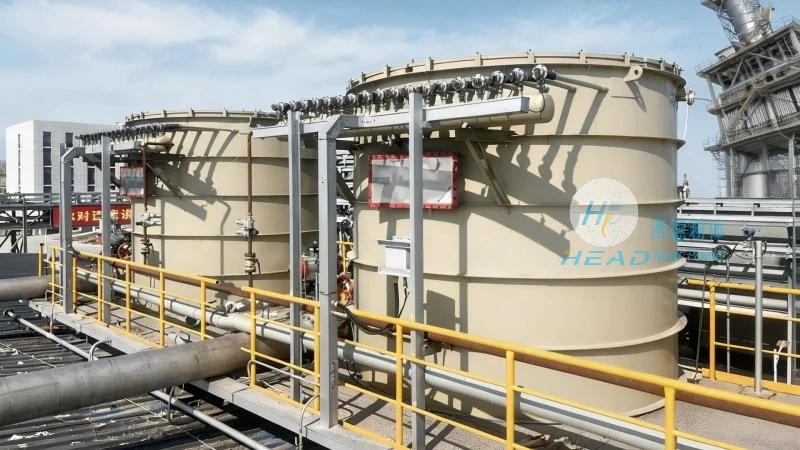
When operating a copper concentrate powder pneumatic conveying system, several factors must be considered to ensure optimal performance and minimize downtime. Proper maintenance of the system components, such as regular cleaning of the conveying line and replacement of worn parts, is essential to prevent blockages and maintain consistent flow rates. Additionally, monitoring the air pressure and flow rate in real-time allows operators to detect any anomalies or inefficiencies and take corrective action promptly. The system's design should also account for the potential for material buildup or segregation, which can affect the quality of the copper concentrate and the overall efficiency of the conveying process.
Applications of Copper Concentrate Powder Pneumatic Conveying Systems
Copper concentrate powder pneumatic conveying systems are widely used in various stages of copper ore processing, from the initial concentration of ore to the final preparation of copper concentrate for smelting. In mining operations, these systems are commonly employed to transport copper concentrate from the grinding and classification stages to the flotation or leaching processes. In metallurgical plants, they are used to move copper concentrate from storage bins to the smelting furnaces or other processing equipment. The versatility of these systems makes them suitable for a wide range of applications, from small-scale mining operations to large-scale industrial facilities.
Advantages of Using Copper Concentrate Powder Pneumatic Conveying Systems
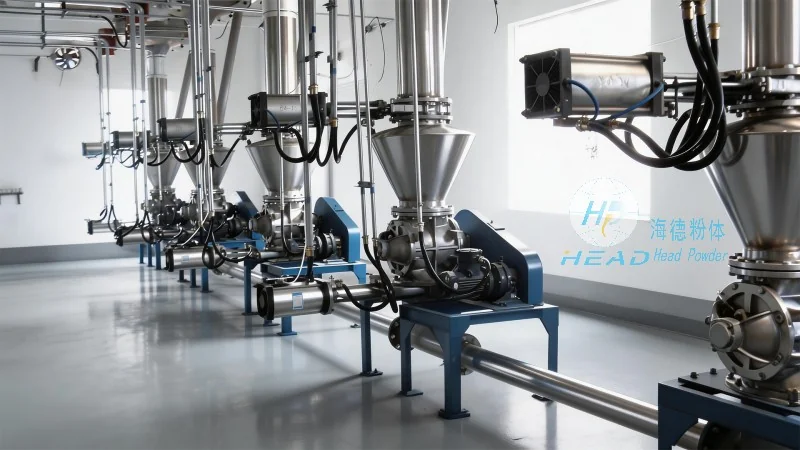
Compared to traditional mechanical conveying systems, copper concentrate powder pneumatic conveying systems offer several advantages that make them a preferred choice in many industrial applications. One of the most significant advantages is the reduced risk of material contamination, as the system operates in a closed environment, preventing exposure to external elements or contaminants. Additionally, the system's ability to handle fine, abrasive powders without clogging or degradation makes it ideal for copper concentrate, which is often a fine, high-value material. The system also offers lower energy consumption and maintenance costs compared to mechanical systems, contributing to overall operational efficiency and cost savings.
Challenges and Solutions in Copper Concentrate Powder Pneumatic Conveying Systems
Despite their advantages, copper concentrate powder pneumatic conveying systems may face several challenges during operation. One common challenge is the risk of material buildup or blockages in the conveying line, which can lead to system downtime and reduced productivity. This issue can be mitigated by using appropriate system design, such as the use of inclined conveying lines or the incorporation of cleaning mechanisms. Another challenge is the potential for air leakage or pressure loss, which can affect the system's efficiency. Regular maintenance and inspection of the system components can help prevent these issues and ensure optimal performance.
Conclusion: The Importance of Copper Concentrate Powder Pneumatic Conveying Systems
Copper concentrate powder pneumatic conveying systems play a vital role in the efficient and reliable processing of copper ore. By utilizing air or other gases to transport copper concentrate, these systems offer several advantages over traditional mechanical methods, including reduced equipment wear, lower maintenance costs, and the ability to handle fine, abrasive powders. The design and operation of these systems require careful consideration of the specific characteristics of the copper concentrate and the operational requirements of the facility. With proper design, maintenance, and operation, copper concentrate powder pneumatic conveying systems can significantly enhance the productivity and efficiency of mining and metallurgical operations.