With more than 10‑year industry experience, Shandong Headpowder delivers full‑service pneumatic‑conveying systems and blowers, undertaking nationwide turn‑key powder‑handling projects.
When it comes to handling and transporting fine powders like bean powder, the choice of equipment can significantly impact operational efficiency and product quality. A bean powder pneumatic conveying system offers a reliable solution for moving these materials from one location to another within a processing facility. This article will explore what such a system entails and delve into its core design principles, providing insights into how it operates and why it is a preferred choice in many industrial applications.
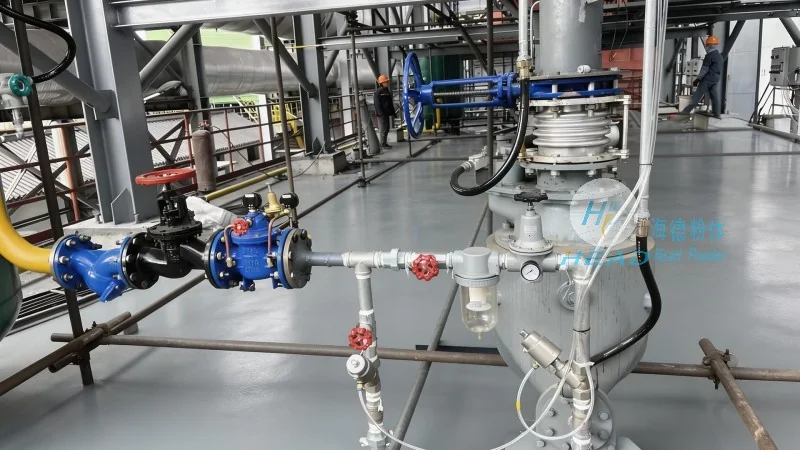
A bean powder pneumatic conveying system is a type of material handling equipment that uses compressed air or other gases to transport dry powders, including bean powder, through a pipeline. Unlike traditional mechanical conveyors that rely on physical contact and moving parts, pneumatic systems utilize air pressure to move the powder, making them particularly suitable for handling delicate or abrasive powders without causing degradation or contamination. The system typically consists of a hopper, a blower or compressor, a pipeline network, and a discharge point, all working in tandem to ensure smooth and efficient material transfer.
The effectiveness of a bean powder pneumatic conveying system depends on several key components that work together to facilitate the transport process. The hopper serves as the storage and feeding unit, where the bean powder is loaded and prepared for transport. It is designed to maintain a consistent flow of material into the system, often equipped with a gate or valve to control the discharge rate. The blower or compressor is the heart of the system, generating the necessary air pressure to move the powder through the pipeline. This component can be either positive displacement or centrifugal, depending on the system's requirements and the characteristics of the material being conveyed. The pipeline network connects the hopper to the discharge point and may include various fittings, such as elbows, tees, and filters, to direct the flow and prevent blockages. Finally, the discharge point, which could be a silo, a mixer, or another processing unit, receives the material at the end of the conveying line.
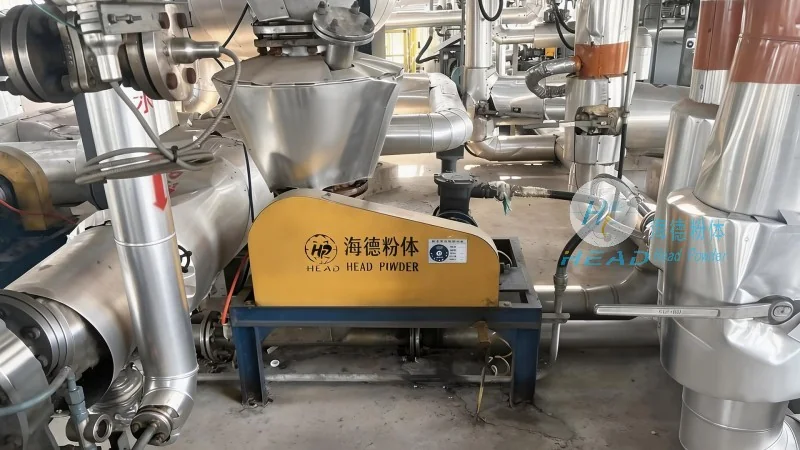
The design of a bean powder pneumatic conveying system is guided by several principles aimed at maximizing efficiency, minimizing energy consumption, and ensuring the safe handling of the material. One of the primary design considerations is the velocity of the air within the pipeline. The air velocity must be high enough to keep the powder particles suspended and prevent them from settling or clogging the system. However, excessive velocity can lead to increased energy consumption and potential wear on the equipment. Engineers typically aim for an air velocity that is sufficient to maintain the powder in a fluidized state, often referred to as the "minimum conveying velocity." Another critical design principle is the system's pressure drop, which is the difference in pressure between the inlet and outlet of the pipeline. A lower pressure drop indicates better efficiency, as it means less energy is required to move the material. The design also takes into account the particle size and density of the bean powder, as these factors influence the required air velocity and pressure. For example, finer or more dense powders may require higher air velocities and pressures to ensure proper transport. Additionally, the system's layout and the length of the pipeline are carefully planned to minimize the number of fittings and bends, as each additional component can increase the pressure drop and reduce the system's efficiency.
Implementing a bean powder pneumatic conveying system offers several advantages over traditional mechanical conveyors. One of the most significant benefits is the ability to handle delicate or abrasive powders without causing damage or contamination. The lack of physical contact between the material and the conveyor components prevents the powder from being crushed or mixed with foreign particles, which is crucial for maintaining product quality. Another advantage is the system's flexibility in terms of layout and integration with other processing equipment. Pneumatic conveying systems can be easily adapted to existing facility layouts, and they can be connected to multiple discharge points or hoppers, allowing for complex material flow paths. Furthermore, these systems are generally more compact and require less floor space compared to mechanical conveyors, making them ideal for facilities with limited space. The energy efficiency of pneumatic systems is also a key advantage, as they can operate with lower energy consumption than some mechanical alternatives, especially when designed with optimal air velocity and pressure. Finally, the system's ability to handle powders with varying properties, such as moisture content or particle size, makes it a versatile solution for a wide range of industrial applications.
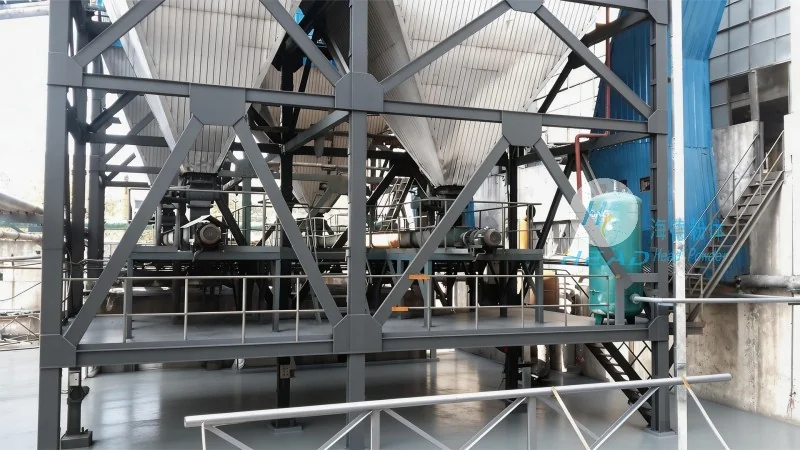
Bean powder, often used in food products like beverages, snacks, and baked goods, is a common material processed in the food industry. The use of a pneumatic conveying system for bean powder is particularly beneficial in this sector due to the need to maintain product purity and avoid contamination. The system's ability to handle fine powders without degradation ensures that the final product retains its quality and nutritional value. For example, in the production of instant coffee or protein powders, a pneumatic conveying system can efficiently transport the bean powder from storage to the mixing or grinding stage, minimizing the risk of cross-contamination and ensuring consistent product quality. Additionally, the system's hygienic design, with smooth surfaces and easy-to-clean components, meets the stringent requirements of food processing facilities, making it a preferred choice for handling food-grade materials.
In conclusion, a bean powder pneumatic conveying system is a sophisticated and efficient solution for transporting fine powders like bean powder in industrial settings. Its design, based on principles of air velocity, pressure drop, and material characteristics, ensures optimal performance and reliability. The system's advantages, including its ability to handle delicate materials, flexibility in layout, and energy efficiency, make it a valuable asset for food processing and other industries that rely on consistent and high-quality material handling. As technology advances, these systems continue to evolve, incorporating features like variable speed control and advanced monitoring to further enhance their performance and adaptability. For companies operating in the food or related industries, investing in a well-designed pneumatic conveying system is a strategic decision that can improve operational efficiency, product quality, and overall profitability.

 Shandong Headpowder Engineering Co., Ltd.
 156-6277-7102(Manager Zhang)
  0531-83386006
  Zhangqiu District, Jinan City, Shandong Province, China
telephone
WeChatconsult
top