With more than 10‑year industry experience, Shandong Headpowder delivers full‑service pneumatic‑conveying systems and blowers, undertaking nationwide turn‑key powder‑handling projects.
Slag pneumatic conveying systems represent a sophisticated method for transporting bulk materials, particularly in industrial settings where efficiency and reliability are paramount. These systems utilize air as the primary medium to move materials like slag from one location to another, offering a solution that minimizes the need for traditional mechanical conveyors and reduces operational costs. Understanding the core components and design principles of such systems is crucial for industries dealing with high-volume material handling, as it directly impacts system performance, maintenance, and overall operational efficiency.
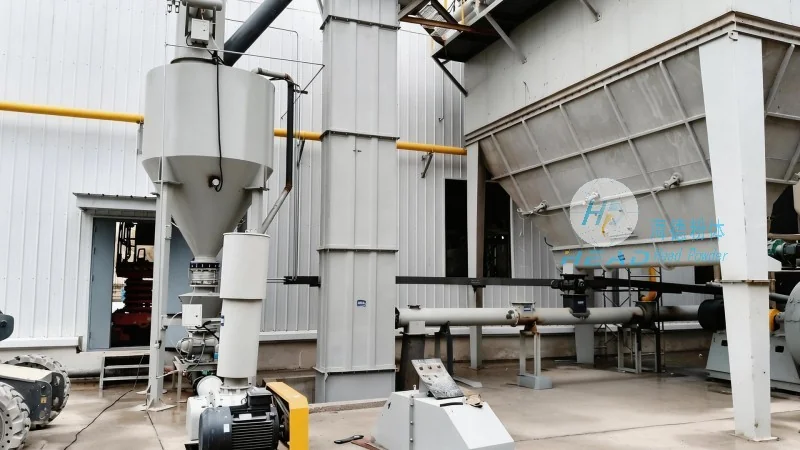
Slag, a byproduct of metal smelting processes, is a dense and often abrasive material that requires specialized handling equipment. Traditional methods of transporting slag, such as belt conveyors or bucket elevators, can be prone to wear and tear due to the material's properties. Pneumatic conveying systems provide an alternative that leverages the power of compressed air to move slag through pipelines, offering a more flexible and low-maintenance solution. The system typically consists of a hopper, a blower or compressor, a pipeline network, and a discharge point, all working in tandem to ensure smooth material transport.
HeadPowder, or Shandong HeadPowder Engineering Co., Ltd., is a prominent engineering firm based in Shandong, China. With a strong focus on industrial equipment design and manufacturing, the company specializes in developing customized pneumatic conveying systems tailored to the unique needs of various industries. HeadPowder's expertise lies in integrating advanced technology with practical engineering to deliver systems that are not only efficient but also durable and cost-effective. The company's commitment to quality and customer satisfaction has established it as a trusted partner for businesses seeking reliable material handling solutions.
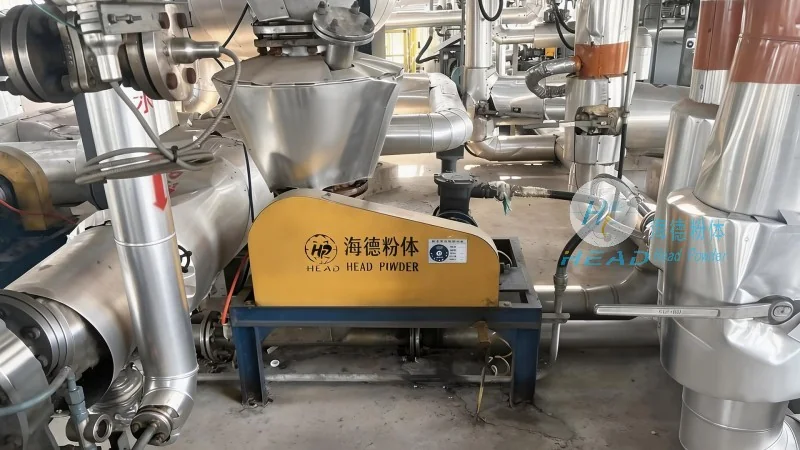
The design of a slag pneumatic conveying system involves several critical principles that ensure optimal performance. The first principle is the selection of the appropriate air velocity, which must be high enough to keep the material in suspension but not so high as to cause excessive wear on the system components. This is typically determined by the material's density, particle size, and flow characteristics. The system's design also considers the pressure requirements, as higher pressures can handle longer distances or more challenging material properties. Additionally, the pipeline layout is carefully planned to minimize bends and changes in direction, as these can cause material buildup or increased pressure losses. The use of appropriate materials for the pipeline, such as stainless steel or high-density polyethylene, is essential to withstand the abrasive nature of slag and prevent corrosion.
Several key components make up a slag pneumatic conveying system, each playing a vital role in the overall operation. The hopper serves as the material storage and feeding unit, ensuring a consistent flow of slag into the system. The blower or compressor generates the necessary air pressure to move the material through the pipeline. The pipeline network connects the hopper to the discharge point, with appropriate sizing to accommodate the material flow rate. The discharge unit, often a cyclone separator or a rotary valve, separates the material from the air and directs it to its final destination. Finally, the control system monitors and regulates the air pressure, flow rate, and other parameters to maintain optimal system performance.
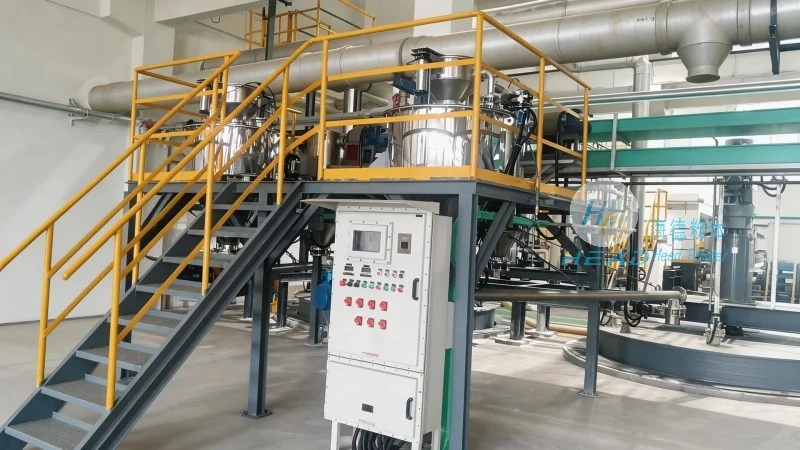
Implementing a slag pneumatic conveying system offers several advantages over traditional methods. One of the primary benefits is the reduction in labor costs, as the system automates the material handling process. Additionally, the system minimizes material spillage and contamination, as the material is contained within the pipeline. The low maintenance requirements compared to mechanical conveyors also lead to significant cost savings over time. Furthermore, the flexibility of pneumatic systems allows for easy integration with existing industrial processes and the ability to transport materials over long distances without the need for multiple transfer points.
Slag pneumatic conveying systems, when designed and implemented correctly, provide an efficient and reliable solution for transporting bulk materials in industrial applications. The design principles, which focus on air velocity, pressure, and pipeline layout, are critical to ensuring the system operates at peak performance. Companies like Shandong HeadPowder Engineering Co., Ltd. play a vital role in developing these systems, offering customized solutions that meet the specific needs of their clients. As industries continue to seek more efficient and sustainable material handling methods, pneumatic conveying systems remain a valuable option for handling slag and other abrasive materials, contributing to improved operational efficiency and reduced costs.

 Shandong Headpowder Engineering Co., Ltd.
 156-6277-7102(Manager Zhang)
  0531-83386006
  Zhangqiu District, Jinan City, Shandong Province, China
telephone
WeChatconsult
top