With more than 10‑year industry experience, Shandong Headpowder delivers full‑service pneumatic‑conveying systems and blowers, undertaking nationwide turn‑key powder‑handling projects.
Micronized powder pneumatic conveying is a sophisticated material handling technology that enables the transport of fine, micron-sized particles through a pipeline using a gas stream, typically compressed air. This method has become increasingly vital in industries such as chemical manufacturing, pharmaceuticals, food processing, and coatings, where the efficient and gentle handling of sensitive powders is essential. Unlike traditional mechanical conveying systems, which rely on mechanical components like belts or screws, pneumatic conveying offers advantages like reduced equipment wear, lower maintenance requirements, and the ability to handle materials that are difficult to transport mechanically, such as those with high moisture content or low bulk density.
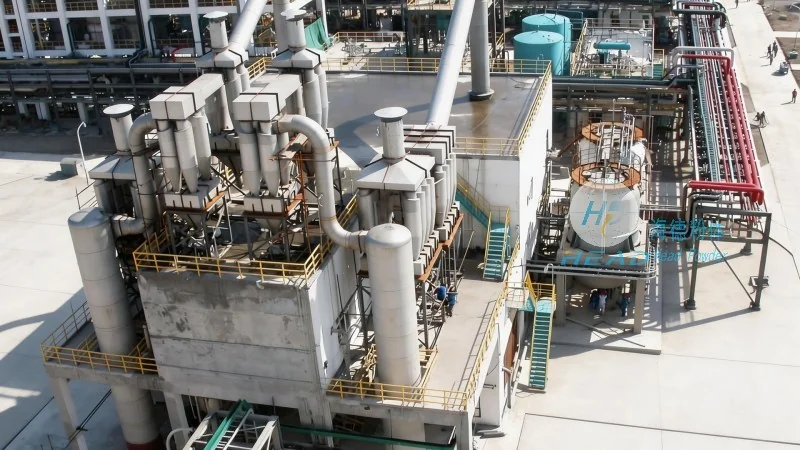
At its core, micronized powder pneumatic conveying involves creating a two-phase flow of gas and solid particles within a closed pipeline. The process begins with the feeding of the powder into the system, where it is introduced into the gas stream at a controlled rate. The gas, under pressure, propels the particles through the pipeline, maintaining a stable flow that prevents particle settling or clogging. This technology is particularly suited for powders with particle sizes ranging from a few microns to several hundred microns, making it ideal for applications requiring high purity and minimal contamination.
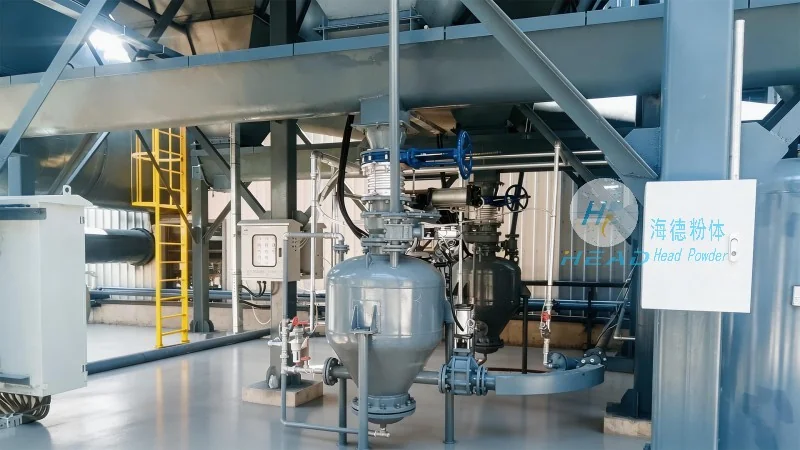
The effectiveness of a micronized powder pneumatic conveying system is governed by several fundamental design principles. First, the selection of the appropriate gas velocity is critical. The velocity must be high enough to keep the particles suspended in the gas stream but low enough to avoid excessive pressure drop and energy consumption. Engineers typically calculate the required velocity based on the particle size, density, and the system's pressure drop constraints. Second, the design of the feeding mechanism is crucial. Proper feeding ensures a consistent flow of powder into the system, preventing surges or blockages that could disrupt the conveying process. Components like star valves, rotary valves, or screw feeders are commonly used to control the feed rate and maintain a stable flow. Third, the layout of the pipeline and the inclusion of appropriate components, such as bends, elbows, and expansion joints, are essential to minimize pressure losses and maintain flow stability. Additionally, the system must incorporate effective separation and filtration equipment to recover the powder from the exhaust gas, ensuring minimal loss and compliance with environmental regulations.
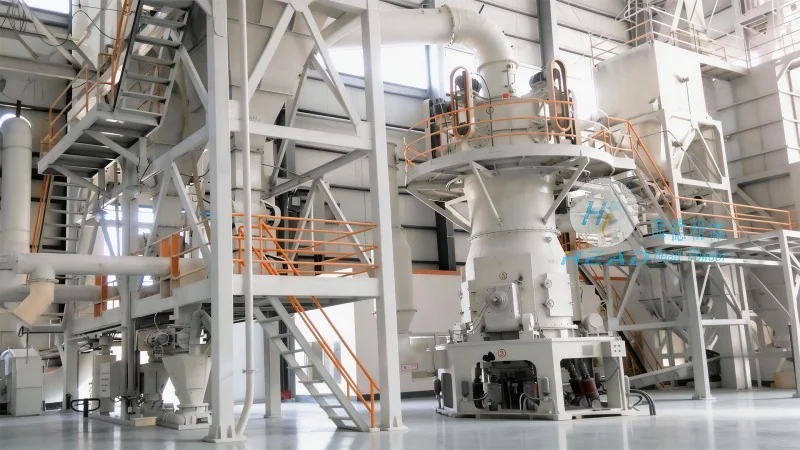
A micronized powder pneumatic conveying system consists of several key components, each playing a vital role in the overall operation. The first component is the gas source, usually a high-pressure air compressor or a blower, which provides the necessary pressure and volume of gas to drive the conveying process. The compressor must be capable of delivering the required pressure and flow rate, and often includes features like oil-free operation to prevent contamination of the powder. The second component is the feeder, which introduces the powder into the gas stream. Star valves are widely used for this purpose, as they can precisely control the feed rate and prevent backflow. The feeder is typically mounted on a hopper that holds the powder, ensuring a continuous supply. The third component is the pipeline, which transports the gas and powder mixture. The pipeline is usually made of stainless steel or other corrosion-resistant materials to handle the abrasive nature of the powders and the pressure of the gas. The design of the pipeline, including the diameter and length, is critical to maintaining the desired velocity and pressure. The fourth component is the separation equipment, which includes devices like cyclone separators or bag filters. These components are placed at the end of the pipeline to separate the powder from the exhaust gas, allowing the powder to be collected and reused. The fifth component is the control system, which monitors and regulates the operation of the entire system. This system typically includes sensors for pressure, flow, and temperature, as well as control valves to adjust the gas flow and feed rate as needed.
Micronized powder pneumatic conveying finds wide application in various industries due to its versatility and efficiency. In the chemical industry, it is used to transport raw materials such as pigments, fillers, and catalysts, which are often fine and sensitive. The method ensures that these materials are handled gently, preserving their quality and preventing degradation. In the pharmaceutical industry, pneumatic conveying is used to transport active pharmaceutical ingredients (APIs) and excipients, which require strict contamination control. The closed system and filtration equipment used in pneumatic conveying help maintain the purity of the powders, making it suitable for sterile manufacturing processes. In the food industry, it is used to transport food additives, flavorings, and spices, which are often hygroscopic or prone to oxidation. The system's ability to handle these materials without exposure to air or moisture helps maintain their freshness and quality. In the coatings and inks industry, pneumatic conveying is used to transport pigments and binders, which are critical components of the final product. The method ensures that these materials are mixed uniformly and delivered to the production line without contamination. The benefits of micronized powder pneumatic conveying extend beyond just efficient material handling. It also offers cost savings through reduced equipment wear and lower maintenance costs compared to mechanical conveying systems. Additionally, the closed system minimizes dust emissions and environmental impact, making it a more sustainable option for powder handling. The ability to transport powders over long distances without the need for intermediate storage or handling also enhances process efficiency and reduces downtime.
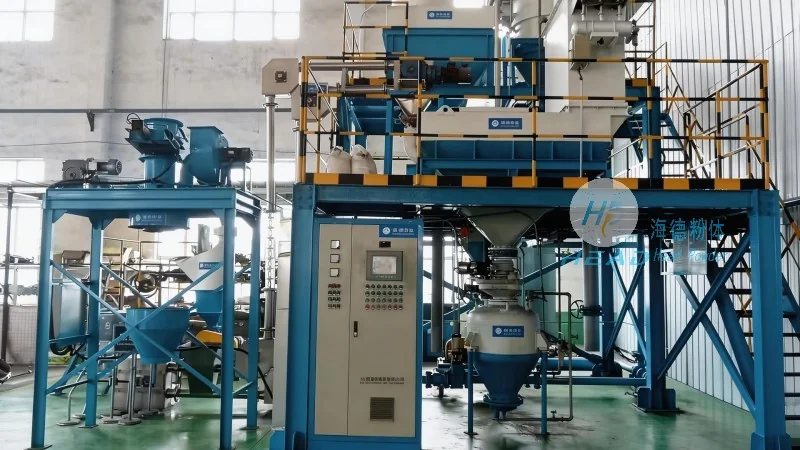
Shandong HeadPowder Engineering Co., Ltd. specializes in providing advanced solutions for micronized powder pneumatic conveying systems. With years of experience in the field, the company designs and manufactures customized systems tailored to meet the specific needs of clients in various industries. HeadPowder's expertise ensures reliable and efficient material handling, supporting clients' production processes with high-quality equipment and professional service. The company is located in Shandong, China, and is committed to delivering innovative and sustainable solutions for powder handling challenges. By leveraging its deep understanding of pneumatic conveying principles and industry-specific requirements, HeadPowder helps clients optimize their material handling operations, improve product quality, and enhance overall productivity.

 Shandong Headpowder Engineering Co., Ltd.
 156-6277-7102(Manager Zhang)
  0531-83386006
  Zhangqiu District, Jinan City, Shandong Province, China
telephone
WeChatconsult
top