With more than 10‑year industry experience, Shandong Headpowder delivers full‑service pneumatic‑conveying systems and blowers, undertaking nationwide turn‑key powder‑handling projects.
For industries dealing with expanded polystyrene (EPS), the efficient and reliable transportation of this lightweight, porous material is a critical operational challenge. EPS, commonly used in packaging, insulation, and construction applications, presents unique handling characteristics that require specialized equipment and system design. The use of pneumatic conveying technology has emerged as a highly effective solution for moving EPS from production to processing or storage areas. This article explores the application and optimization of pneumatic conveying systems in EPS material handling, highlighting the expertise of Shandong HeadPowder Engineering Co., Ltd. in designing and implementing such solutions.
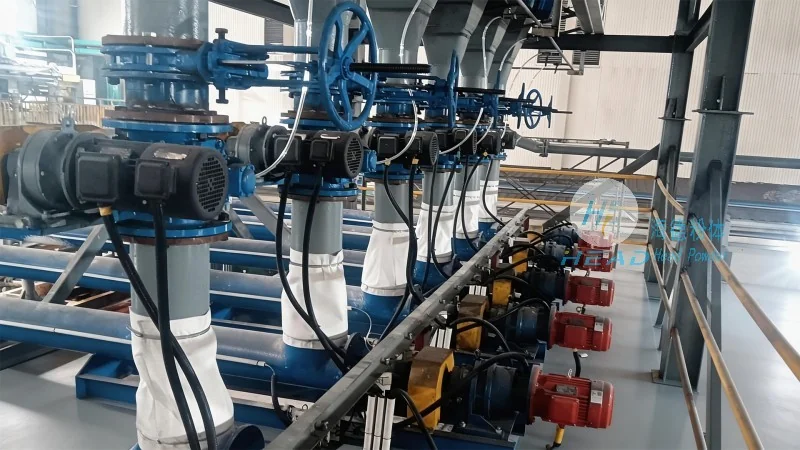
Expanded polystyrene (EPS) is a thermoplastic foam material characterized by its low density, high strength-to-weight ratio, and excellent thermal insulation properties. These attributes make EPS an ideal material for various applications, but they also introduce specific challenges during handling. EPS particles are lightweight and can be easily entrained in air, leading to issues such as material loss, dust generation, and equipment wear if not managed properly. Traditional conveying methods, like mechanical screw conveyors or belt conveyors, may struggle with EPS due to its low bulk density and tendency to cling to surfaces. Pneumatic conveying, by contrast, leverages air to transport EPS particles in a controlled manner, minimizing material degradation and ensuring consistent flow rates.
Pneumatic conveying systems operate by using air pressure to move solid materials through a pipeline. The two primary types of pneumatic conveying are pressure and vacuum systems. Pressure systems use compressed air to push material from a source to a destination, while vacuum systems use a vacuum to draw material into a pipeline. For EPS, pressure systems are often preferred due to their ability to handle larger volumes and maintain consistent flow rates. The choice of system depends on factors such as the distance between the source and destination, the volume of material to be conveyed, and the need for material separation or cleaning. Shandong HeadPowder Engineering Co., Ltd. specializes in designing both pressure and vacuum pneumatic conveying systems tailored to the specific needs of EPS handling operations.
Designing an effective pneumatic conveying system for EPS involves several critical considerations to ensure optimal performance and efficiency. One of the most important factors is the selection of the right air velocity. EPS particles are lightweight, and maintaining an appropriate air velocity is crucial to prevent material deposition or blockages in the pipeline. The air velocity must be high enough to keep the particles suspended but low enough to avoid excessive wear on the system components. Shandong HeadPowder Engineering Co., Ltd. employs advanced computational fluid dynamics (CFD) simulations to model air flow and particle movement, ensuring that the designed system operates within the optimal velocity range for EPS.
Another key consideration is the system's capacity and scalability. EPS production facilities often experience fluctuations in material volume, and the conveying system must be able to handle these variations without compromising performance. HeadPowder engineers design systems with adjustable air flow rates and variable speed drives to accommodate changes in production output. This flexibility ensures that the system remains efficient even during peak production periods or when processing different EPS grades.
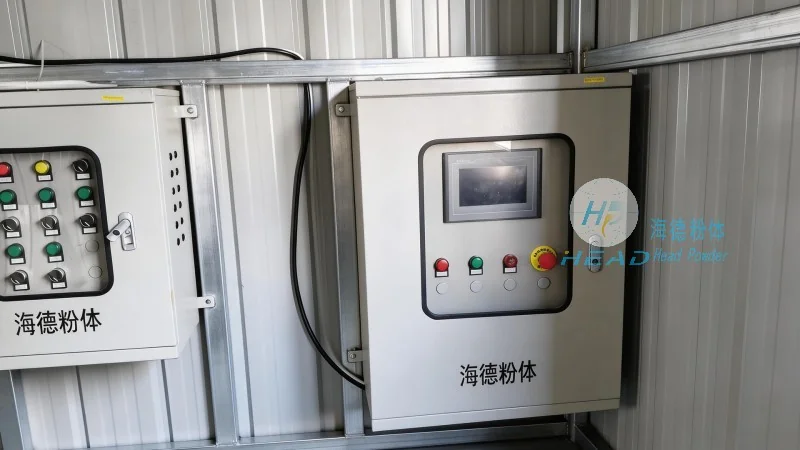
Material separation and cleaning are also critical aspects of EPS conveying system design. EPS particles can carry dust or other contaminants, which may affect downstream processes or equipment. HeadPowder incorporates advanced filtration and separation technologies into their systems, such as cyclone separators and bag filters, to remove impurities from the air stream. This not only improves the quality of the conveyed material but also extends the lifespan of the system components by reducing wear from abrasive particles.
Shandong HeadPowder Engineering Co., Ltd. is a leading provider of pneumatic conveying solutions for EPS and other lightweight materials. With years of experience in the industry, HeadPowder has developed a deep understanding of the unique challenges associated with EPS handling and has refined its design methodologies to deliver optimal results. The company's team of engineers and technicians work closely with clients to assess their specific operational needs, from material characteristics to production volumes and facility layout. This collaborative approach ensures that the final system is tailored to the client's requirements, maximizing efficiency and minimizing operational costs.
HeadPowder's commitment to innovation is evident in its use of advanced technologies and materials in system construction. For EPS conveying systems, the company utilizes high-quality, corrosion-resistant materials such as stainless steel and aluminum to withstand the abrasive nature of EPS particles and the potential for moisture or chemical exposure. The system components, including pipelines, valves, and air movers, are designed with precision to ensure smooth material flow and minimize energy consumption. By optimizing the system's air-to-material ratio, HeadPowder reduces energy costs while maintaining high conveying efficiency.
The implementation of an optimized pneumatic conveying system for EPS offers numerous benefits to industrial operations. First and foremost, it enhances material handling efficiency by reducing downtime caused by blockages or equipment wear. By maintaining consistent flow rates and preventing material loss, the system improves overall productivity and reduces waste. The use of pneumatic conveying also minimizes the risk of dust contamination, which is particularly important in food packaging or pharmaceutical applications where material purity is critical. Additionally, the energy efficiency of modern pneumatic systems contributes to lower operational costs and a smaller environmental footprint.
Another significant benefit is the improved safety of the conveying process. Traditional mechanical conveyors may pose risks of material spillage or entrapment, whereas pneumatic systems enclose the material in a pipeline, reducing the risk of exposure to workers. This not only enhances workplace safety but also simplifies maintenance and cleaning procedures. HeadPowder's systems are designed with safety features such as pressure relief valves and emergency shut-off mechanisms to further protect personnel and equipment.
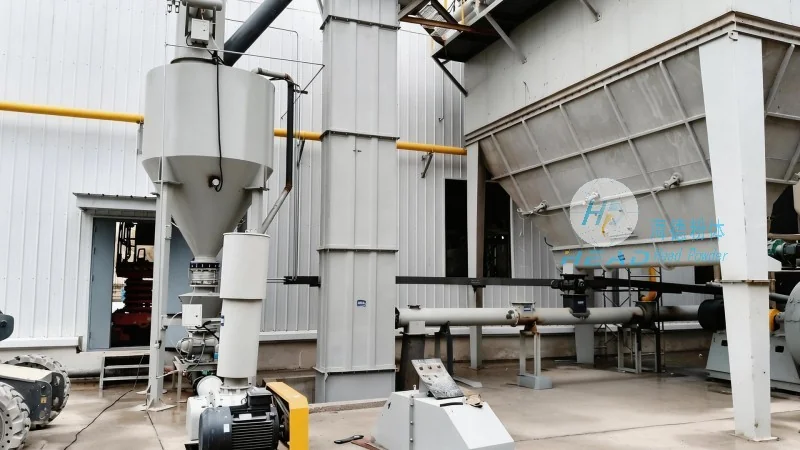
HeadPowder has successfully implemented pneumatic conveying systems for EPS in various industries, demonstrating the effectiveness of its design approach. For example, a leading EPS manufacturer in China reduced material loss by 30% and energy consumption by 20% after upgrading to a HeadPowder-designed pressure pneumatic system. The system was tailored to handle large volumes of EPS from production lines to storage silos, with adjustable air flow rates to accommodate production fluctuations. Another client, a construction material supplier, improved material handling efficiency by 25% by replacing a traditional screw conveyor with a vacuum pneumatic system designed by HeadPowder. The system's ability to handle fine EPS particles and maintain consistent flow rates significantly reduced processing time and labor costs.
These case studies highlight the tangible benefits of optimized pneumatic conveying systems for EPS handling. By leveraging HeadPowder's expertise in system design and engineering, clients can achieve improved operational performance, reduced costs, and enhanced safety in their material handling processes.
As the demand for EPS and other lightweight materials continues to grow, the importance of efficient material handling systems will only increase. HeadPowder remains committed to staying at the forefront of technological advancements in pneumatic conveying, continuously refining its design methodologies and incorporating new materials and technologies into its systems. The company invests in research and development to explore innovative solutions, such as smart sensors and automated control systems, that can further optimize EPS conveying operations. By focusing on continuous improvement, HeadPowder ensures that its clients benefit from the latest advancements in material handling technology.
In conclusion, the application and optimization of pneumatic conveying technology in EPS material handling is a critical aspect of modern industrial operations. Shandong HeadPowder Engineering Co., Ltd. plays a vital role in this field, providing tailored solutions that enhance efficiency, reduce costs, and improve safety. By understanding the unique challenges of EPS handling and leveraging advanced engineering principles, HeadPowder helps clients achieve their operational goals while maintaining the highest standards of performance and reliability.

 Shandong Headpowder Engineering Co., Ltd.
 156-6277-7102(Manager Zhang)
  0531-83386006
  Zhangqiu District, Jinan City, Shandong Province, China
telephone
WeChatconsult
top