With more than 10‑year industry experience, Shandong Headpowder delivers full‑service pneumatic‑conveying systems and blowers, undertaking nationwide turn‑key powder‑handling projects.
HeadPowder, a leading manufacturer based in Shandong, China, specializes in the design and production of advanced pneumatic conveying systems. This article provides an overview of cellulose pneumatic conveying equipment, detailing its structural components and operational principles to help potential clients understand its functionality and benefits.
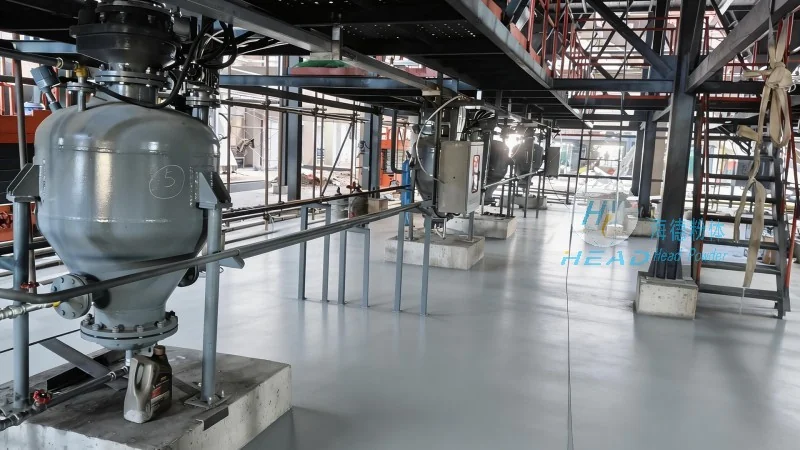
HeadPowder Engineering Co., Ltd. is a professional enterprise dedicated to the research, development, and manufacturing of high-quality pneumatic conveying solutions. The company is headquartered in Shandong, China, where it leverages local industrial resources and expertise to deliver reliable equipment for various industries. Our commitment to innovation and quality ensures that our products meet the stringent requirements of modern processing applications.
Cellulose, a primary component of plant fibers, is widely used in industries such as paper manufacturing, food processing, and chemical production. The efficient transport of cellulose materials is crucial for maintaining production efficiency and reducing operational costs. Pneumatic conveying systems offer a non-contact, low-maintenance method to move these materials from one location to another, making them an ideal choice for handling bulk cellulose.
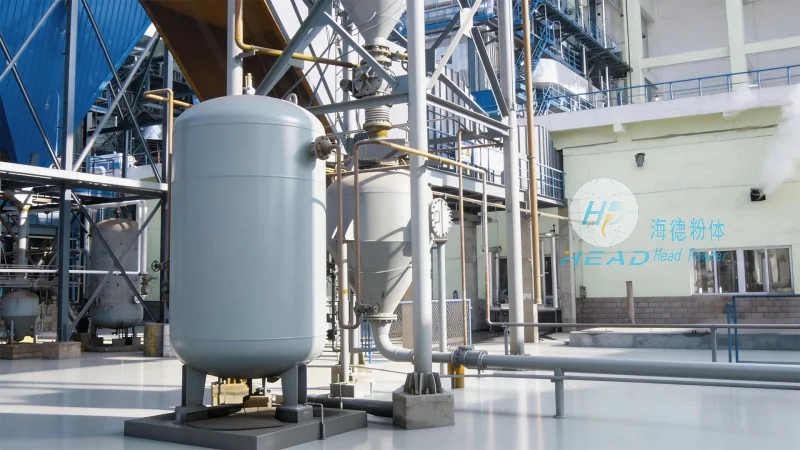
The core components of a cellulose pneumatic conveying system include the hopper, feeder, pipeline, air compressor, and receiver. Each component plays a vital role in the overall operation. The hopper serves as the storage vessel for the cellulose material, ensuring a consistent feed. The feeder regulates the flow of material into the pipeline, preventing blockages and maintaining a steady supply. The pipeline transports the material and air mixture, while the air compressor generates the necessary pressure to move the material through the system. Finally, the receiver collects the material at the destination, separating it from the air.
The pneumatic conveying process involves the creation of a pressure differential between the inlet and outlet of the system. The air compressor draws air into the system and forces it through the pipeline at a high velocity. As the air flows, it entrains the cellulose particles, forming a slurry-like mixture. This mixture is then transported through the pipeline to the receiver. The pressure drop in the pipeline causes the material to be deposited at the receiver, while the air is either recirculated or discharged. The system's design, including the size of the pipeline and the pressure, is critical to achieving optimal conveying efficiency and minimizing energy consumption.
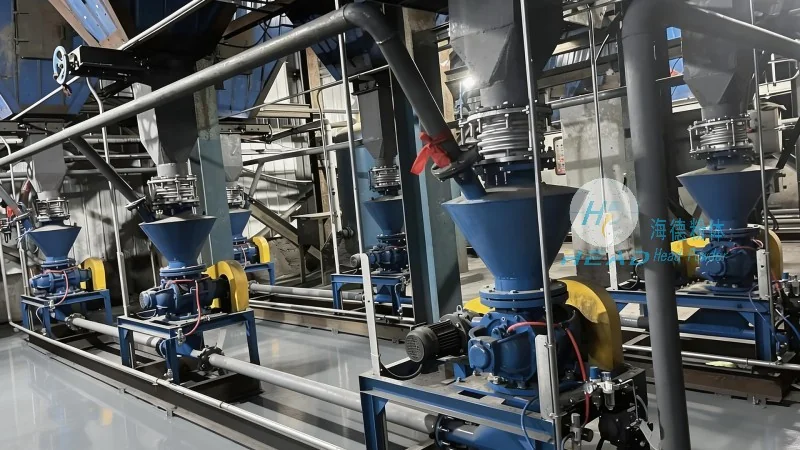
Implementing a pneumatic conveying system for cellulose handling offers several advantages. First, it eliminates the need for mechanical components like belts or chains, reducing maintenance costs and extending equipment lifespan. Second, the non-contact nature of the process prevents contamination, which is essential for food and pharmaceutical applications. Third, the system can handle a wide range of material sizes and moisture content, making it versatile for various industrial needs. Additionally, the compact design of the equipment saves space in production facilities, contributing to better workflow organization.
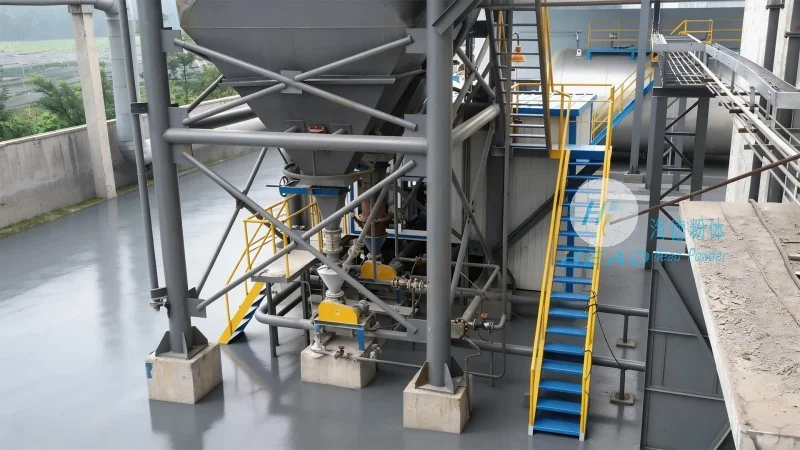
Cellulose pneumatic conveying equipment is widely used across multiple sectors. In the paper industry, it efficiently transports raw materials and finished products between processing stages. In the food industry, it handles cellulose-based ingredients, ensuring hygienic and efficient production. The chemical industry also benefits from this technology, as it can safely transport cellulose derivatives and prevent dust explosions. By adapting to the specific requirements of each industry, HeadPowder's equipment ensures optimal performance and compliance with safety standards.
HeadPowder Engineering Co., Ltd. continues to innovate in the field of pneumatic conveying technology, focusing on enhancing the efficiency and reliability of cellulose handling systems. By combining advanced engineering with customer-centric solutions, the company aims to provide sustainable and cost-effective equipment for global markets. As industries evolve, the demand for efficient material transport solutions will grow, and HeadPowder is poised to lead the way with its expertise and commitment to quality.

 Shandong Headpowder Engineering Co., Ltd.
 156-6277-7102(Manager Zhang)
  0531-83386006
  Zhangqiu District, Jinan City, Shandong Province, China
telephone
WeChatconsult
top