Classification and Application Analysis of Talc Powder Pneumatic Conveying Systems
Release time:2026-09-14 10:48:59
name of the company:Shandong Headpowder Engineering Co., Ltd.
telephone:156-6277-7102
contacts:Manager Zhang
HeadPowder, a leading provider in the field of powder handling solutions, specializes in the design, manufacturing, and implementation of advanced pneumatic conveying systems for talc powder. With a strong focus on efficiency, reliability, and customization, the company's systems are engineered to meet the diverse needs of industrial applications. This article provides an in-depth analysis of the classification of talc powder pneumatic conveying systems and their practical applications.
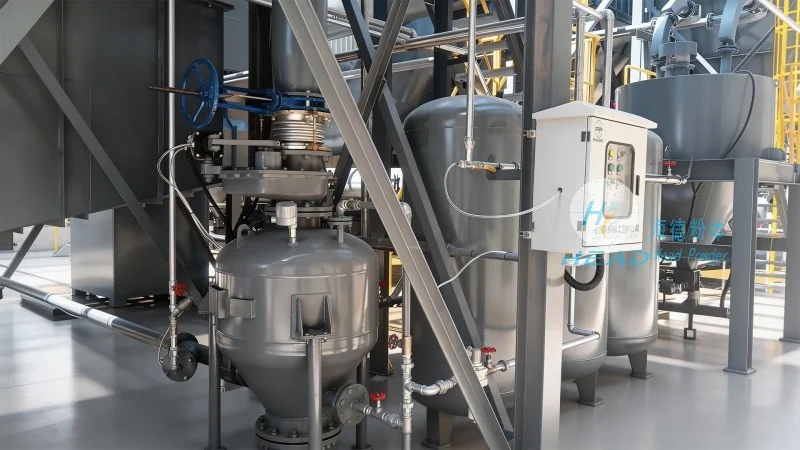
Company Profile: Shandong HeadPowder Engineering Co., Ltd.
HeadPowder, the brand under Shandong HeadPowder Engineering Co., Ltd., is headquartered in Shandong, China. The company has established itself as a trusted partner for businesses seeking efficient and reliable solutions for talc powder handling. By combining technical expertise with industry experience, HeadPowder delivers systems that enhance operational performance and ensure product integrity throughout the conveying process.
Classification of Talc Powder Pneumatic Conveying Systems
Talc powder pneumatic conveying systems can be categorized based on several key factors, including the method of air delivery, the type of conveying line, and the specific application requirements. The primary classifications include:
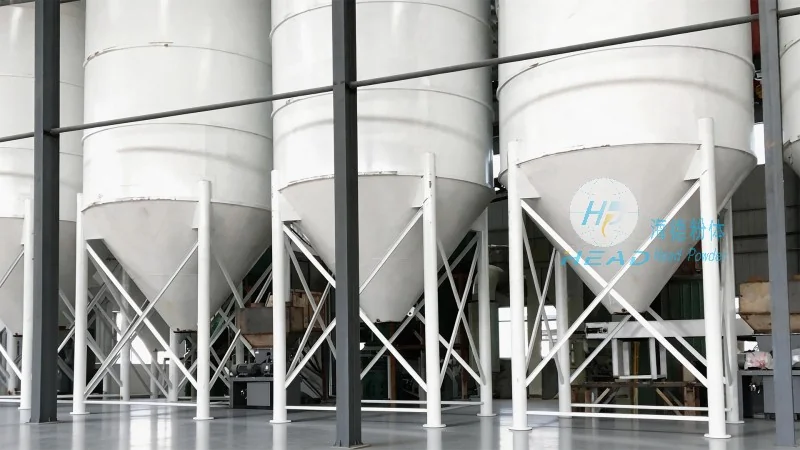
- Positive Pressure Systems: These systems use a blower or compressor to generate positive pressure, pushing the talc powder through the conveying line. Positive pressure systems are ideal for long-distance conveying and are commonly used in industrial settings where high material flow rates are required.
- Negative Pressure (Vacuum) Systems: In contrast, negative pressure systems create a vacuum to draw talc powder from the source into the conveying line. This method is often preferred for applications involving fine powders or where the material needs to be transported from multiple points to a central collection point.
- Combined Systems: Some applications may require a hybrid approach, combining elements of both positive and negative pressure systems. These systems offer flexibility and can be tailored to handle varying material characteristics and operational conditions.
Key Components of Talc Powder Pneumatic Conveying Systems
Regardless of the classification, modern talc powder pneumatic conveying systems typically consist of several critical components that work in tandem to ensure efficient operation. These components include:
- Feeder: The feeder is responsible for accurately metering and feeding the talc powder into the conveying line. Proper feeding is crucial to maintain consistent material flow and prevent blockages or uneven conveying.
- Conveying Line: The conveying line, often made of materials such as stainless steel or plastic, transports the talc powder and air mixture. The design of the line, including bends and elbows, is optimized to minimize pressure drop and ensure smooth material movement.
- Separation and Collection Equipment: After the talc powder is conveyed to its destination, separation and collection equipment, such as cyclones or filters, are used to separate the powder from the air. This step is essential for maintaining product purity and ensuring compliance with environmental regulations.
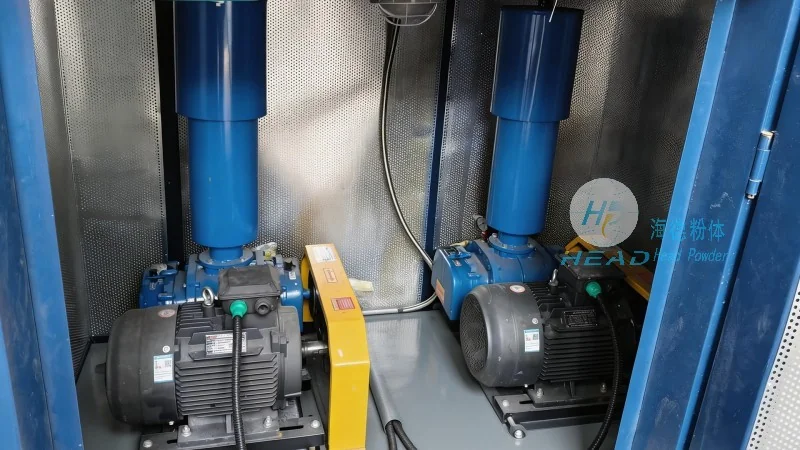
- Air Handling Unit: The air handling unit, which includes the blower or vacuum pump, regulates the air flow and pressure within the system. It is designed to handle the specific air requirements of talc powder, ensuring optimal conveying performance.
Application Analysis of Talc Powder Pneumatic Conveying Systems
The effectiveness of talc powder pneumatic conveying systems is highly dependent on their application-specific design. Different industries and processes require tailored solutions to address unique challenges. For example:
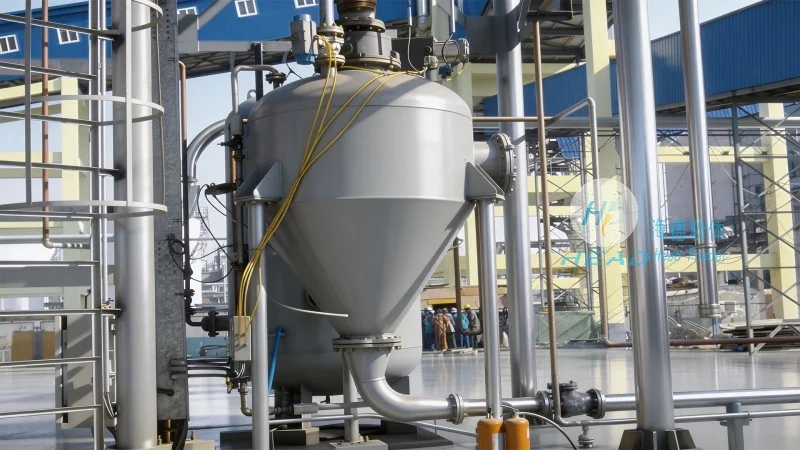
- Pharmaceutical and Cosmetic Industries: In these sectors, the purity and quality of talc powder are paramount. Pneumatic conveying systems are used to transport talc powder from storage silos to processing lines without exposing the material to contaminants. The systems are often equipped with advanced filtration and cleaning mechanisms to maintain product integrity.
- Construction and Plastics Manufacturing: Talc powder is widely used as a filler in construction materials and plastic products. Pneumatic conveying systems are employed to efficiently transport large quantities of talc powder from bulk storage to production lines. The systems are designed to handle high flow rates and ensure consistent material delivery, which is critical for maintaining product quality in these applications.
- Food and Beverage Industry: Although less common, talc powder is sometimes used in food processing as a processing aid. Pneumatic conveying systems are used to transport talc powder in a hygienic manner, adhering to strict food safety regulations. The systems are constructed from food-grade materials and are equipped with sanitary components to prevent contamination.
Advantages of Talc Powder Pneumatic Conveying Systems
Compared to traditional mechanical conveying methods, talc powder pneumatic conveying systems offer several advantages that make them a preferred choice for many industries. These benefits include:
- Increased Efficiency and Productivity: Pneumatic systems can handle high material flow rates and reduce downtime associated with maintenance or material handling. The continuous operation of these systems leads to improved overall productivity.
- Reduced Labor Costs: Automated pneumatic conveying systems minimize the need for manual labor, reducing labor costs and the risk of human error.
- Improved Product Quality: By avoiding contact with external contaminants and minimizing material degradation, pneumatic conveying systems help maintain the quality and purity of talc powder. This is particularly important in industries where product consistency is critical.
- Space Efficiency: Pneumatic systems can be installed in confined spaces, making them suitable for facilities with limited floor space. The flexible design of the conveying lines allows for easy integration into existing production layouts.
Conclusion
HeadPowder's talc powder pneumatic conveying systems represent a sophisticated solution for the efficient and reliable handling of talc powder. By understanding the classification and application requirements of these systems, businesses can select the most appropriate solution to meet their operational needs. With a commitment to quality and innovation, Shandong HeadPowder Engineering Co., Ltd. continues to provide industry-leading solutions that enhance productivity and ensure product integrity in talc powder handling applications.

 Shandong Headpowder Engineering Co., Ltd.
 156-6277-7102(Manager Zhang)
  0531-83386006
  Zhangqiu District, Jinan City, Shandong Province, China